Notes from the field
Things worth knowing
Practical advice on paddocks, weeds, kit, and seasonal jobs — written from the seat of a tractor.
Practical advice on paddocks, weeds, kit, and seasonal jobs — written from the seat of a tractor.
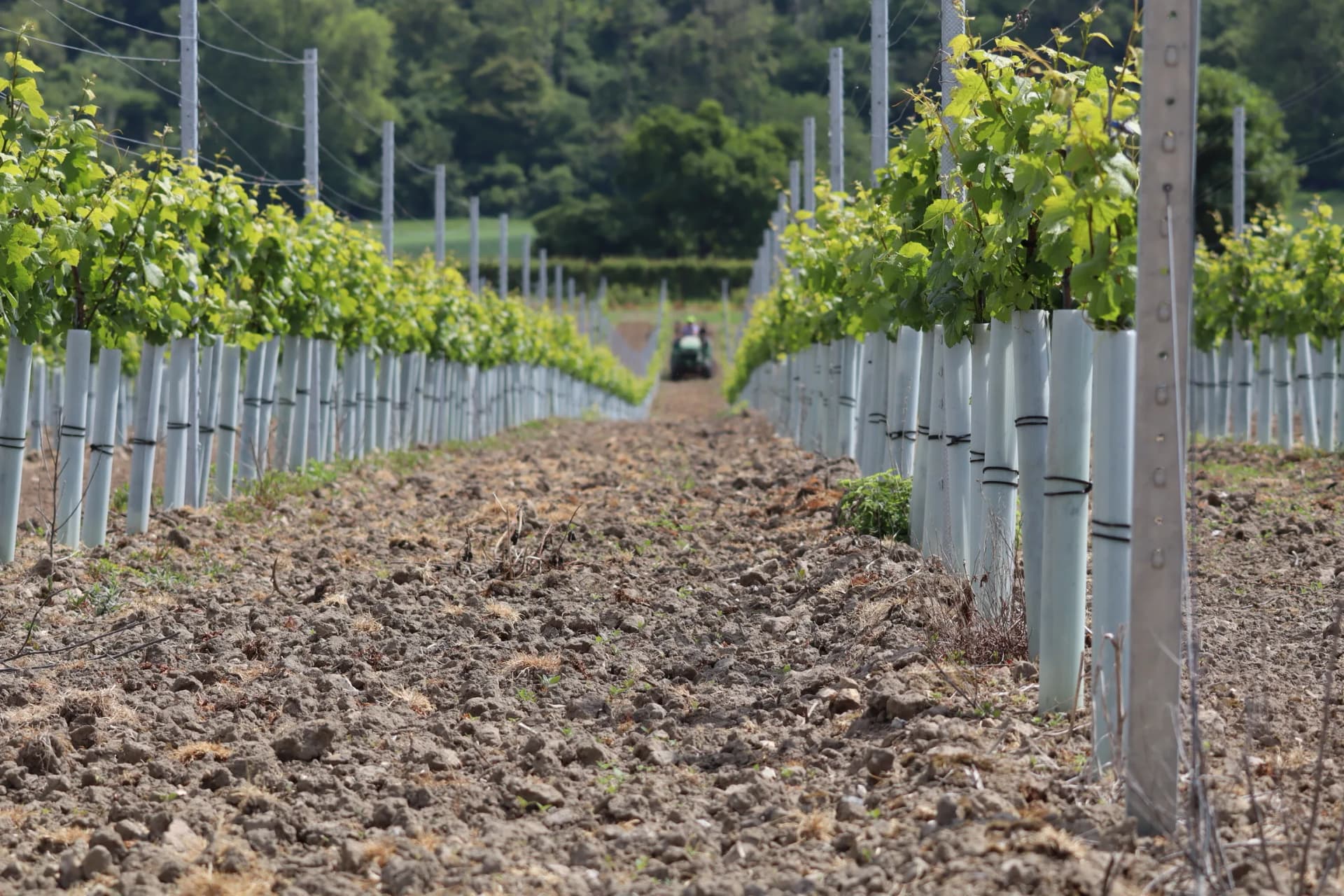
Ground compaction is one of the biggest hidden problems affecting horse paddocks and grazing fields. While the surface may look perfectly healthy, the soil underneath can become so compacted that grass struggles to establish, rainwater sits on the surface, and paddocks quickly become muddy during…
Read the post →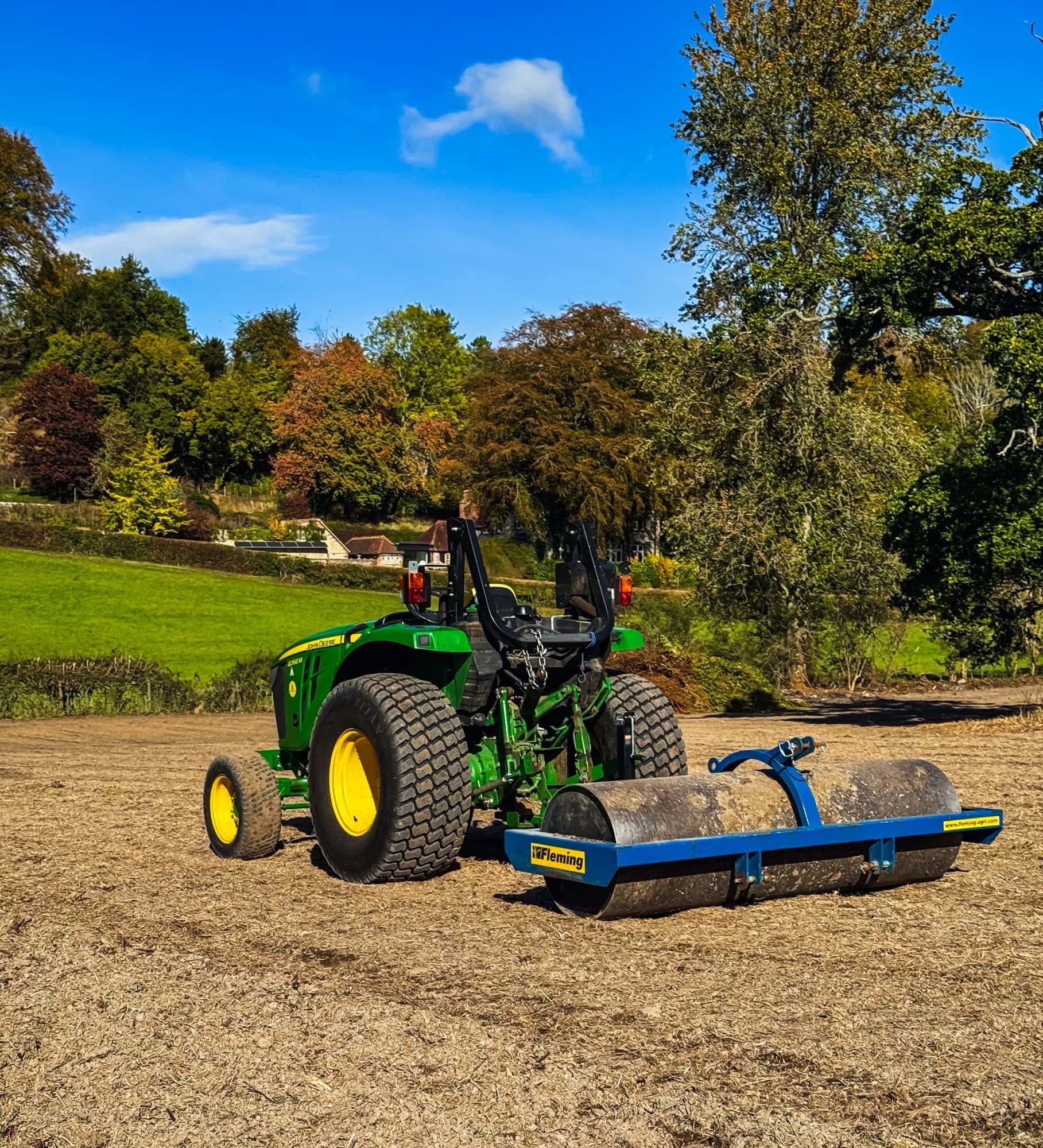
The Stale Seedbed: How to Reduce Weed Growth When Renovating a Horse Paddock Renovating a horse paddock is an investment in the future health and productivity of your grassland. But one of the biggest challenges when establishing a new grass sward is preventing weeds from taking over before the…
Prostrate Knotweed in Horse Paddocks: A Warning Sign of Soil Compaction When prostrate knotweed starts spreading across a horse paddock, it may be telling you something important about the condition of the soil beneath your feet. Most horse owners are understandably concerned when weeds begin…
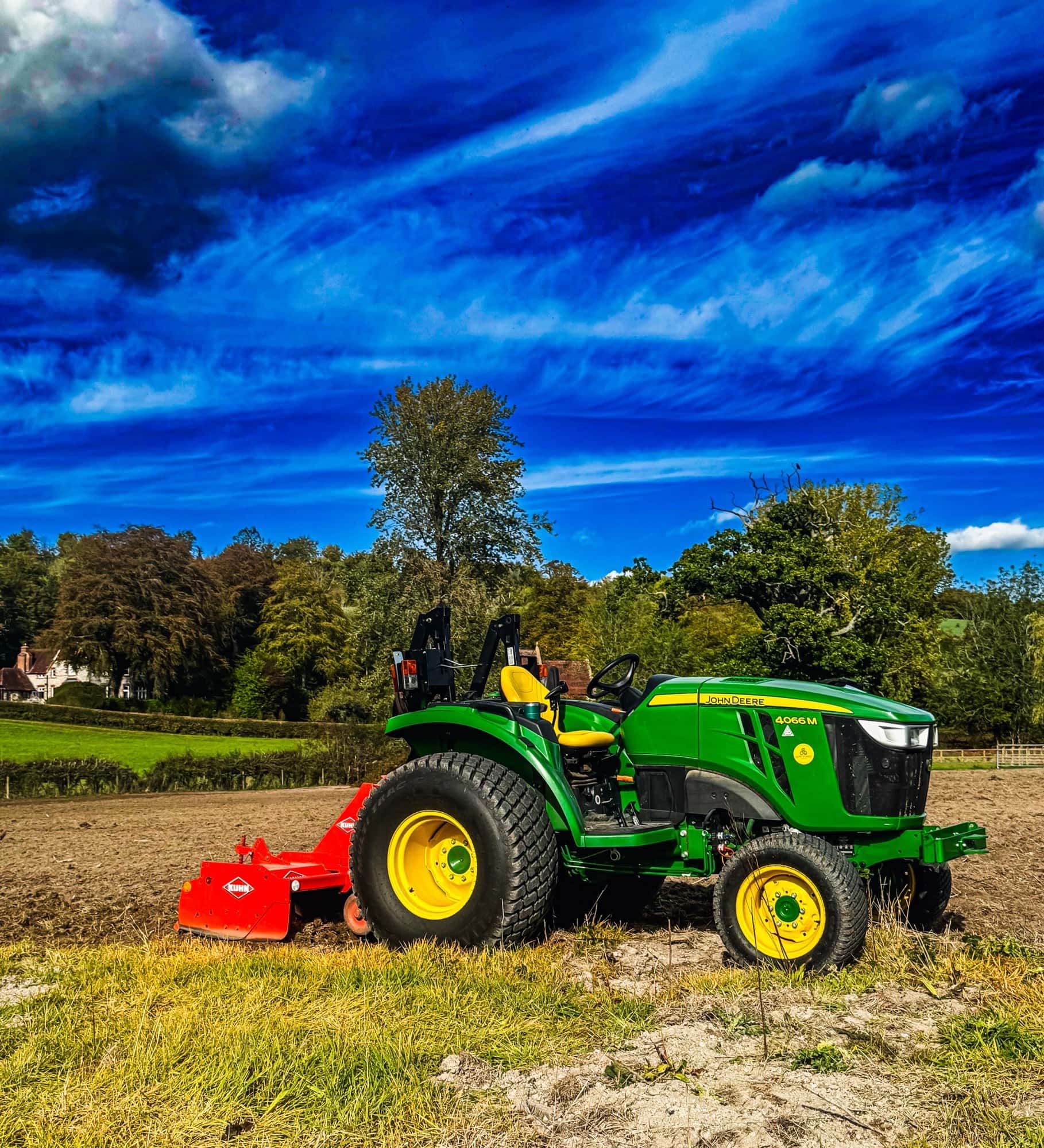
With the trees and stumps gone, the East Meon paddocks were sprayed off with glyphosate, left two weeks, rotavated level, rolled, seeded with a dimple seeder at 2.5 g/m² and rolled again. Part 3 of the series, and why the job is not finished when the seed goes in.
Stone burying is an effective method of preparing stony ground for agricultural use, creating a cleaner, smoother seedbed while improving the conditions for crop establishment. Using a stone burier, farmers and landowners can bury surface stones beneath a layer of finer soil, helping to create a…
What paddock management actually covers in Hampshire — topping, harrowing, rolling, weed control, overseeding, drainage and hedges — the jobs that make the biggest difference, and a rough seasonal shape.
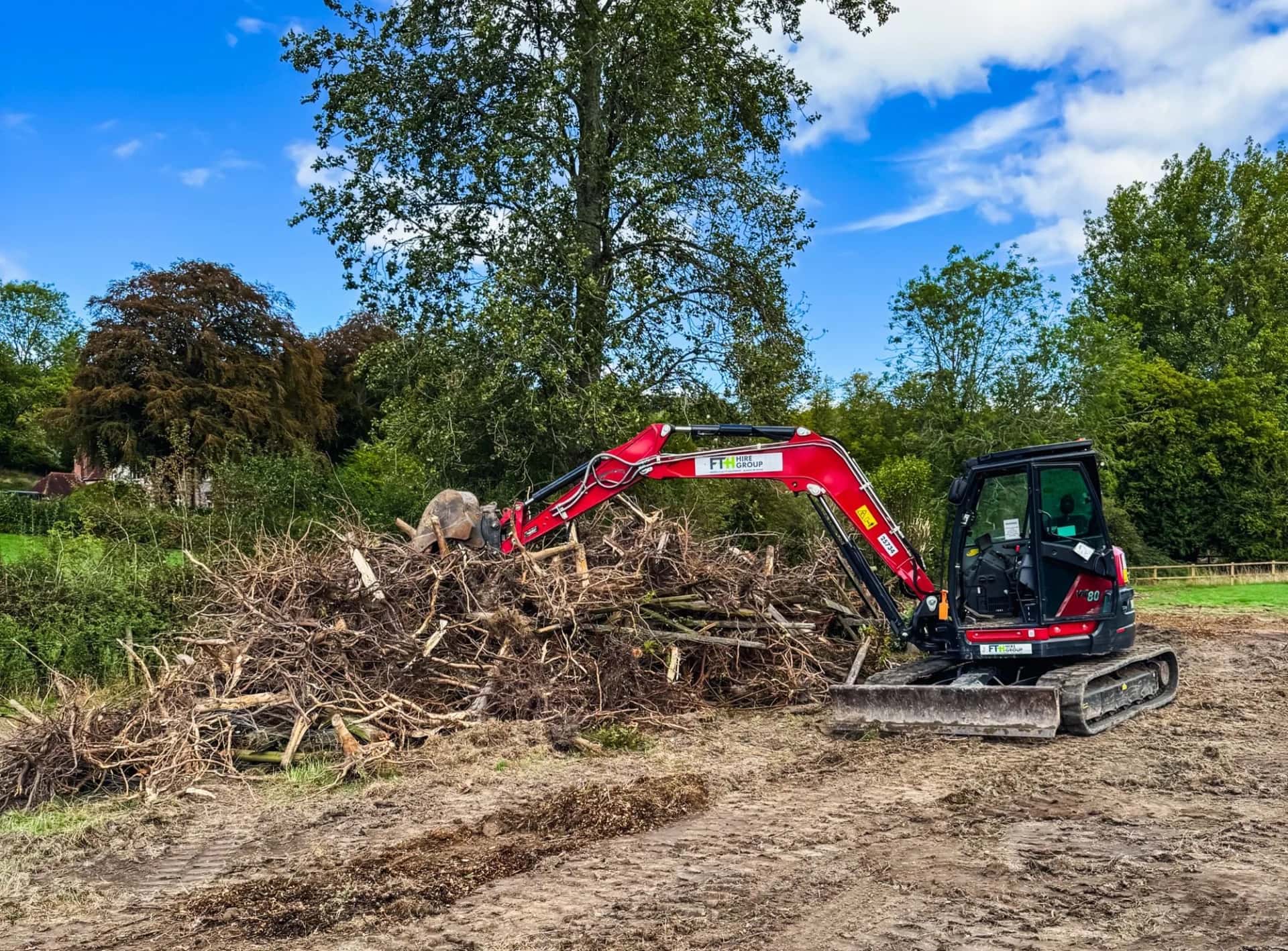
Part two of the East Meon paddock creation project: an 8-tonne excavator lifts around 300 tree stumps and root systems out of three acres, the holes are filled and levelled, a 30ft hedge comes out and the drainage ditch begins.
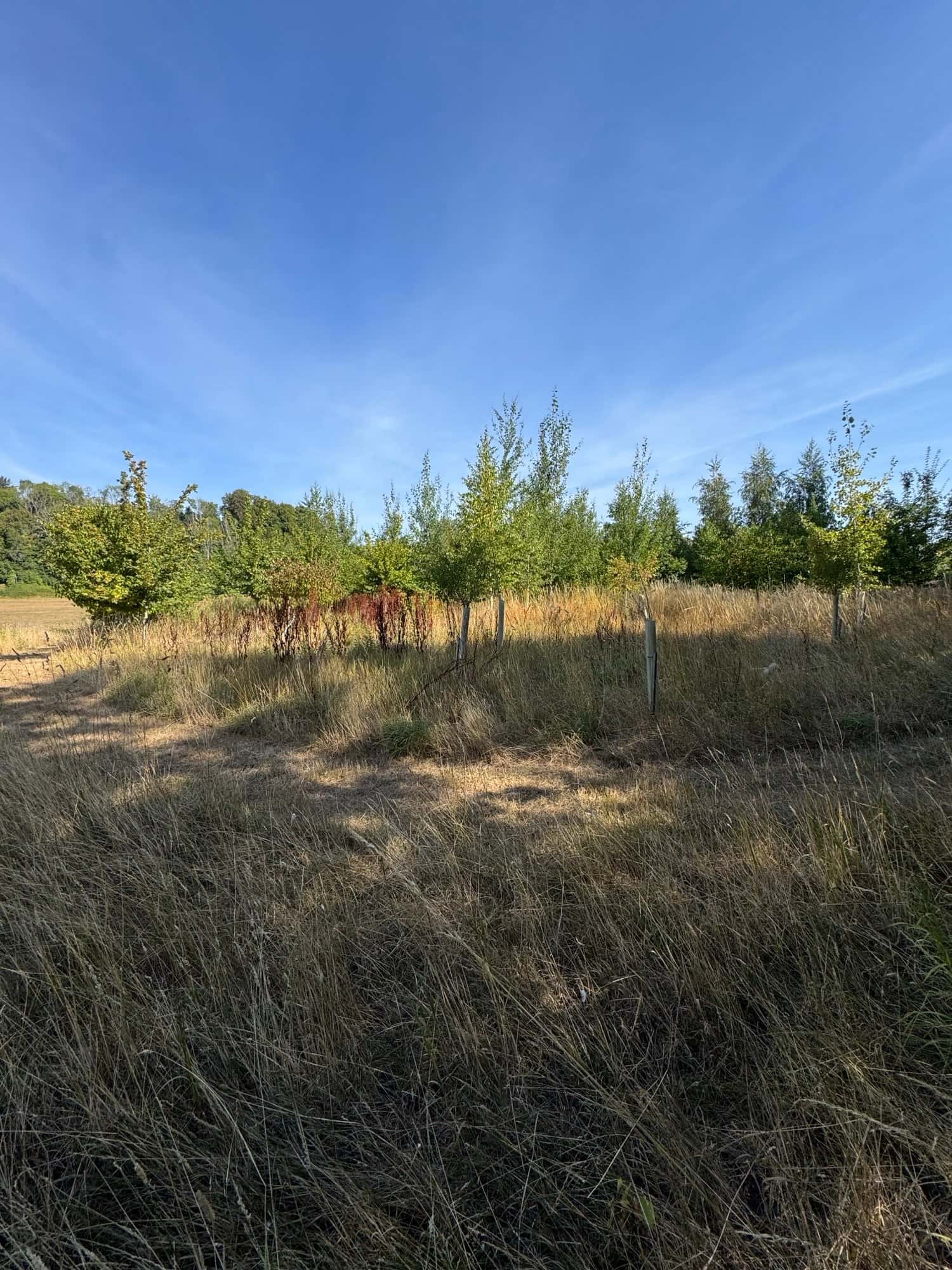
Three acres of East Meon paddock had been left to nature and grown more than 300 self-seeded trees. Here is how we flailed, felled and chipped it back to open ground in three working days — and why the stumps are waiting until September.
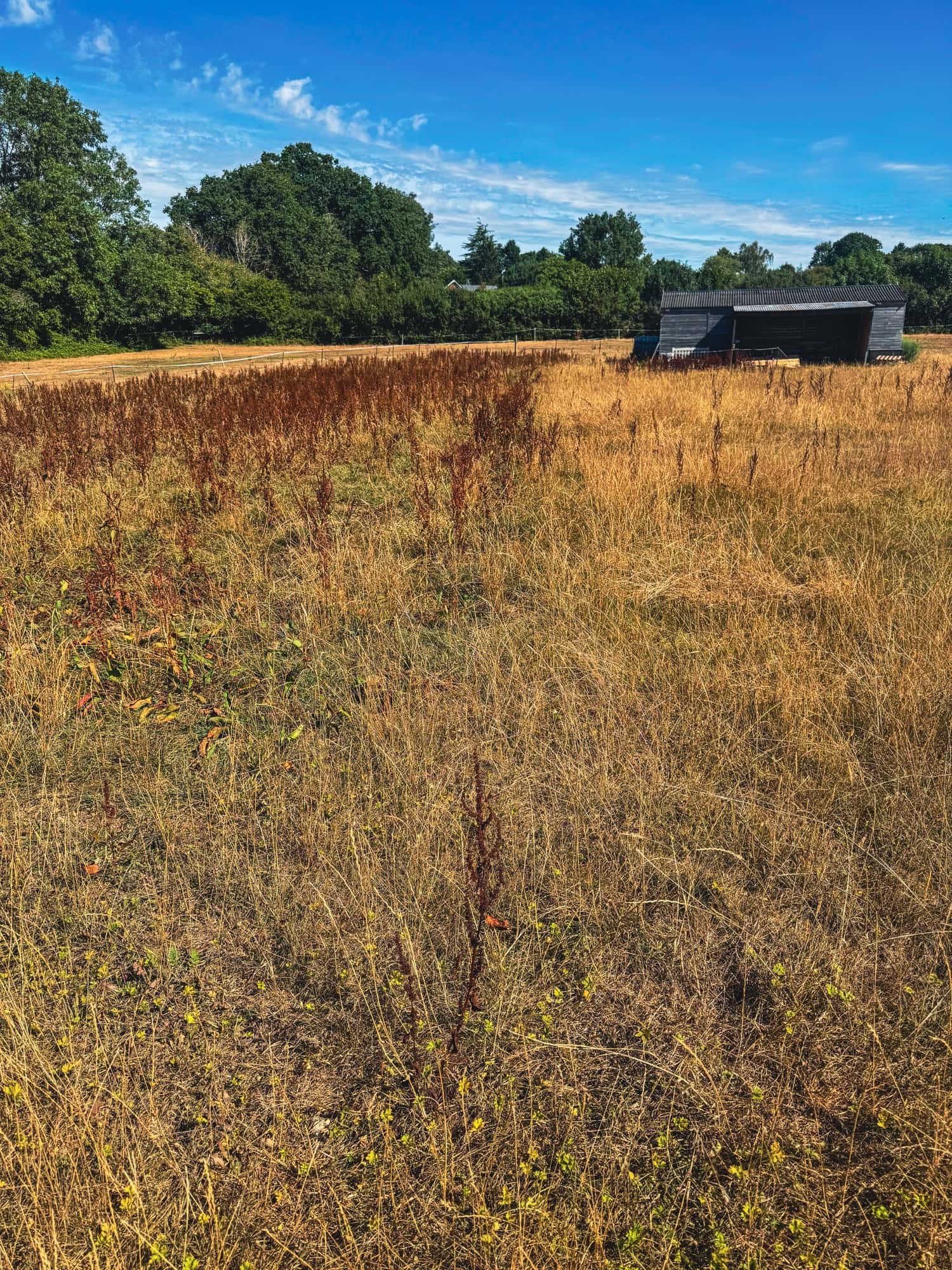
We see it time and time again. A paddock has become badly rutted, poached or uneven, so somebody is brought in to “sort it out”. The ground is rotavated, levelled and reseeded and, initially, everything looks fantastic. Then a few weeks later, the entire paddock erupts in weeds. Docks. Thistles.…
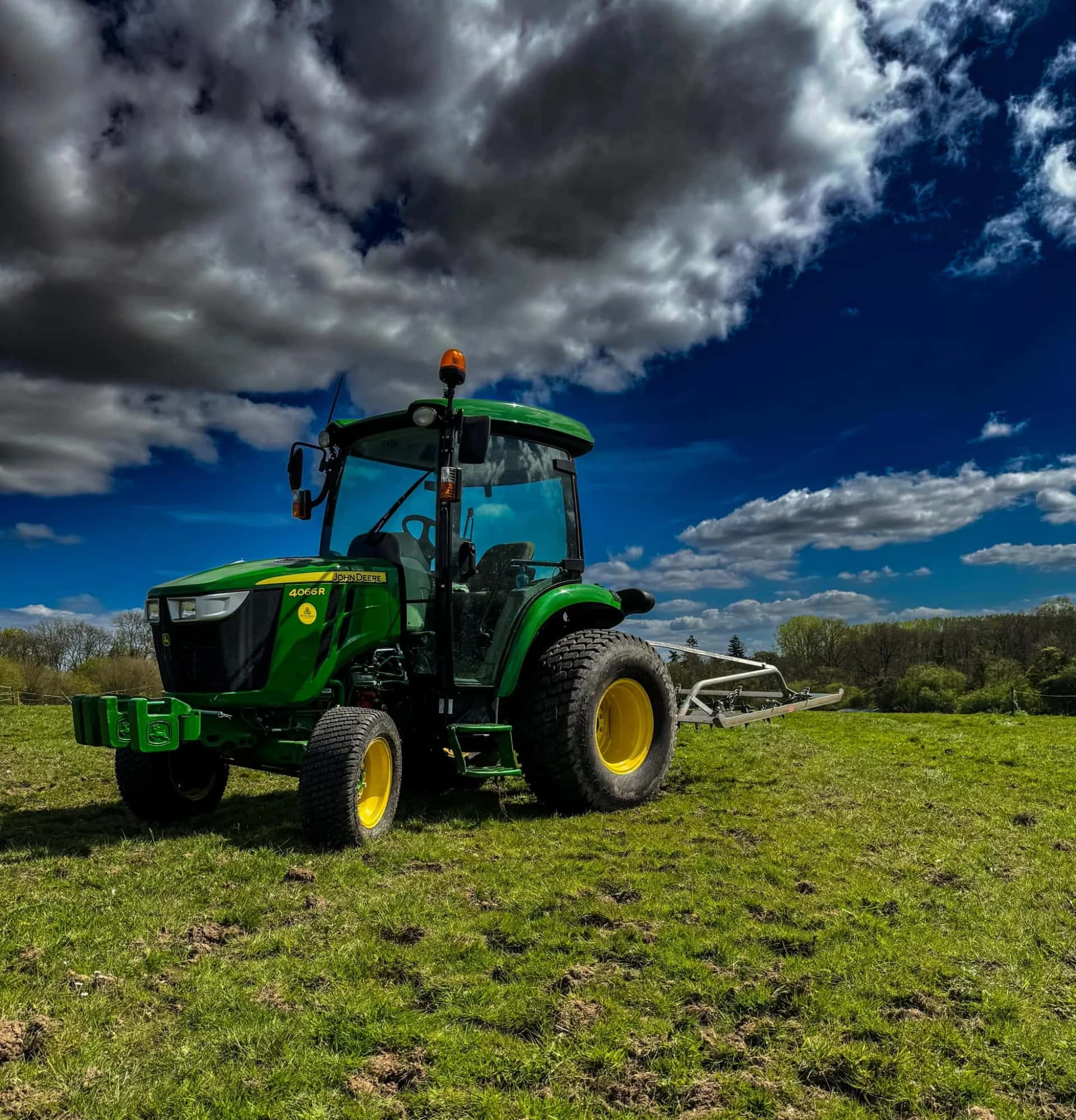
A well-maintained paddock doesn't happen by accident. While many horse owners focus on weed control and fertilising, one of the most effective maintenance tasks is often overlooked—harrowing. When carried out at the right time of year and in the correct conditions, paddock harrowing improves grass…
Can Thrust Herbicide Kill Prostrate Knotweed? Prostrate knotweed is one of those weeds that often catches paddock owners by surprise. It forms dense mats across gateways, heavily used areas, field entrances and worn patches where grass has struggled to survive. Not only does it look untidy, but it…
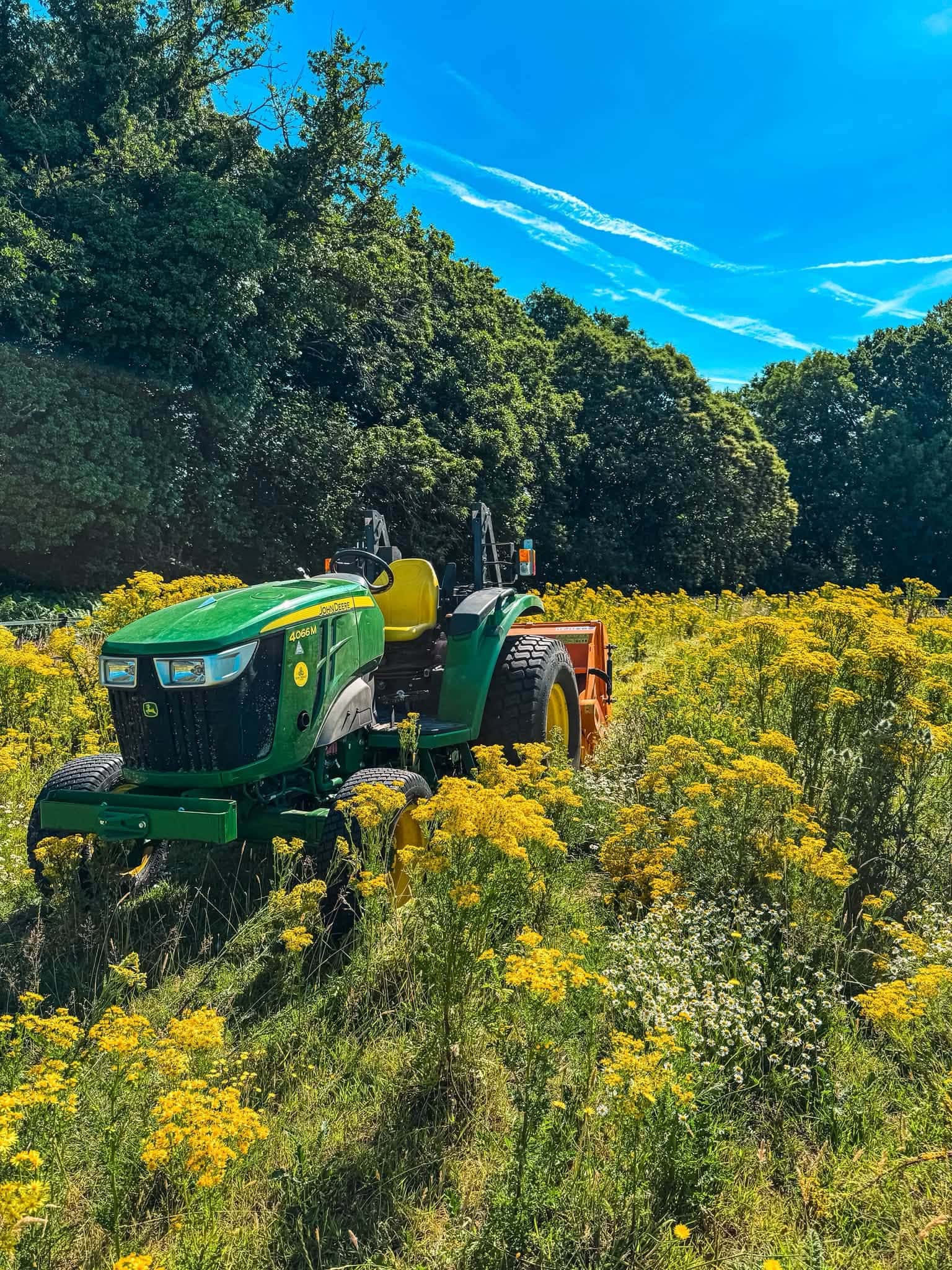
Ragwort is one of the most troublesome weeds found in UK paddocks, grazing fields and pasture. Not only does it compete with valuable grass, but it also poses a serious risk to horses, cattle and other livestock. Once established, ragwort can spread rapidly through seed, making early control…
When ragwort gets too big, spraying alone isn't always the best solution. Here's why we sometimes flail and collect the plants before applying herbicide, and why this approach delivers better long-term results for horse paddocks. Ragwort is one of the most dangerous weeds found in horse paddocks.…
If your paddock needs work and you’d rather someone else handled it, get in touch.
Get a quote →