Notes from the field
Weeds notes
Dealing with ragwort, docks, thistles and buttercups in paddocks — spraying, timing, and what actually works.
Dealing with ragwort, docks, thistles and buttercups in paddocks — spraying, timing, and what actually works.
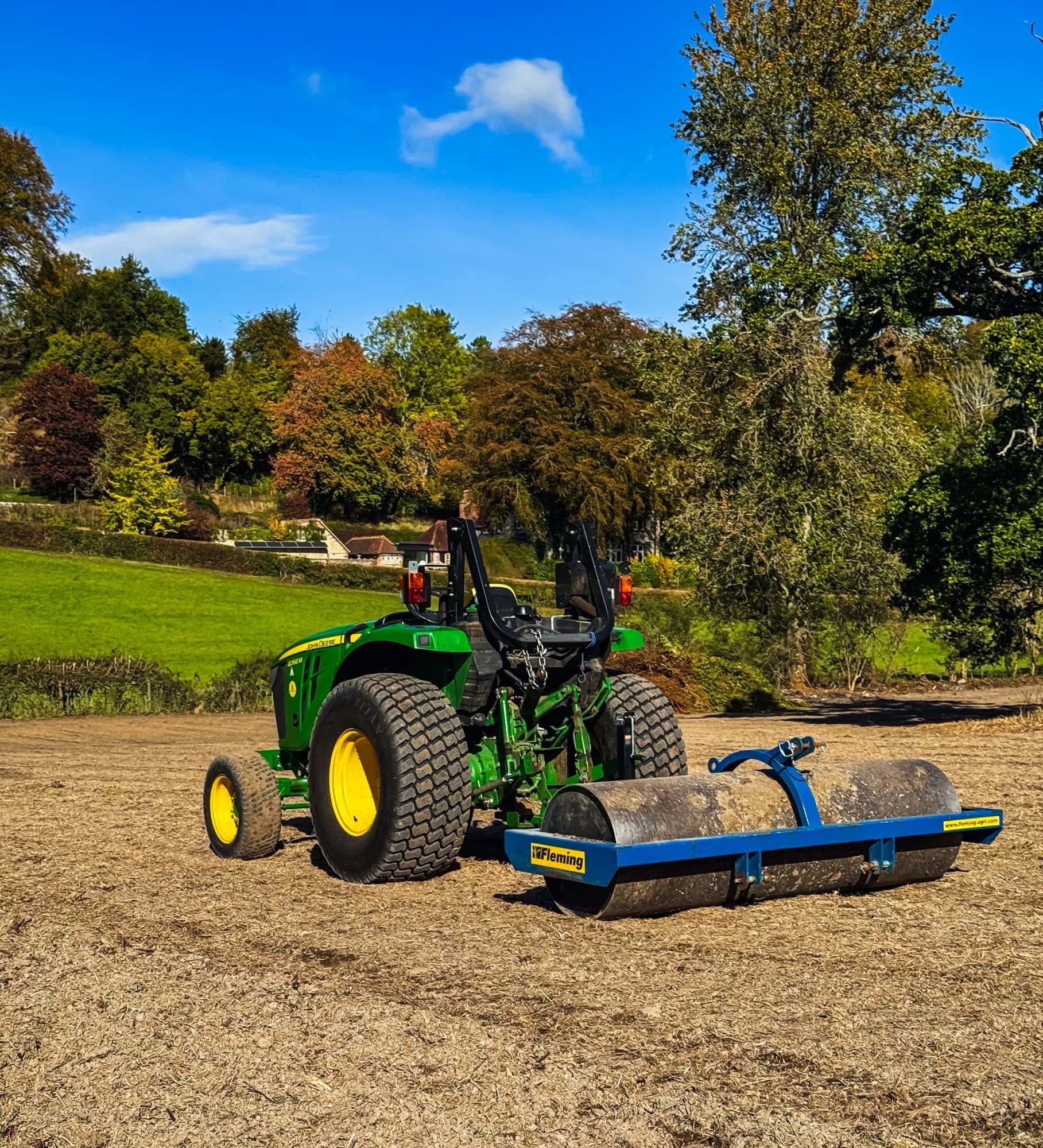
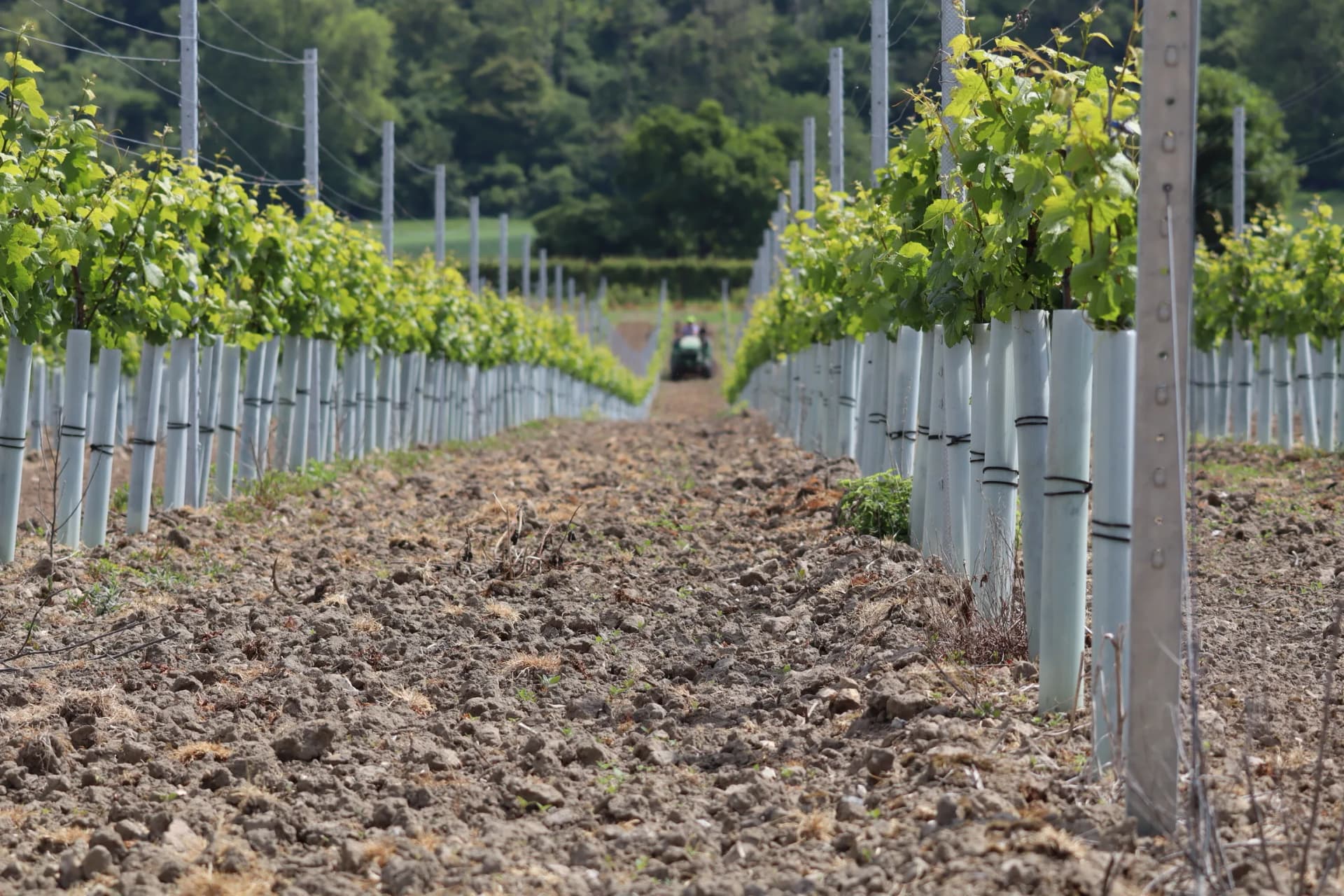
The Stale Seedbed: How to Reduce Weed Growth When Renovating a Horse Paddock Renovating a horse paddock is an investment in the future health and productivity of your grassland. But one of the biggest challenges when establishing a new grass sward is preventing weeds from taking over before the…
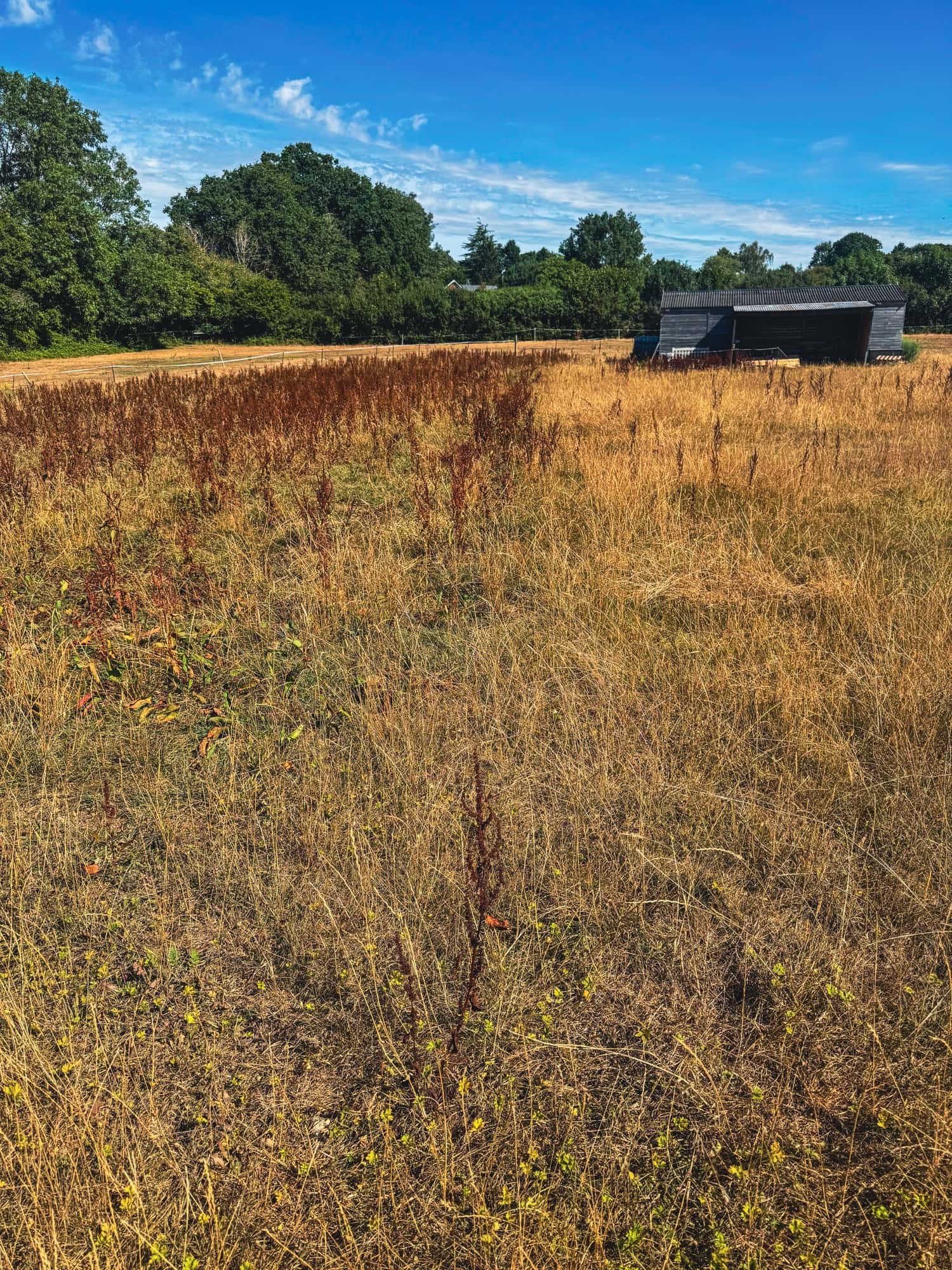
We see it time and time again. A paddock has become badly rutted, poached or uneven, so somebody is brought in to “sort it out”. The ground is rotavated, levelled and reseeded and, initially, everything looks fantastic. Then a few weeks later, the entire paddock erupts in weeds. Docks. Thistles.…
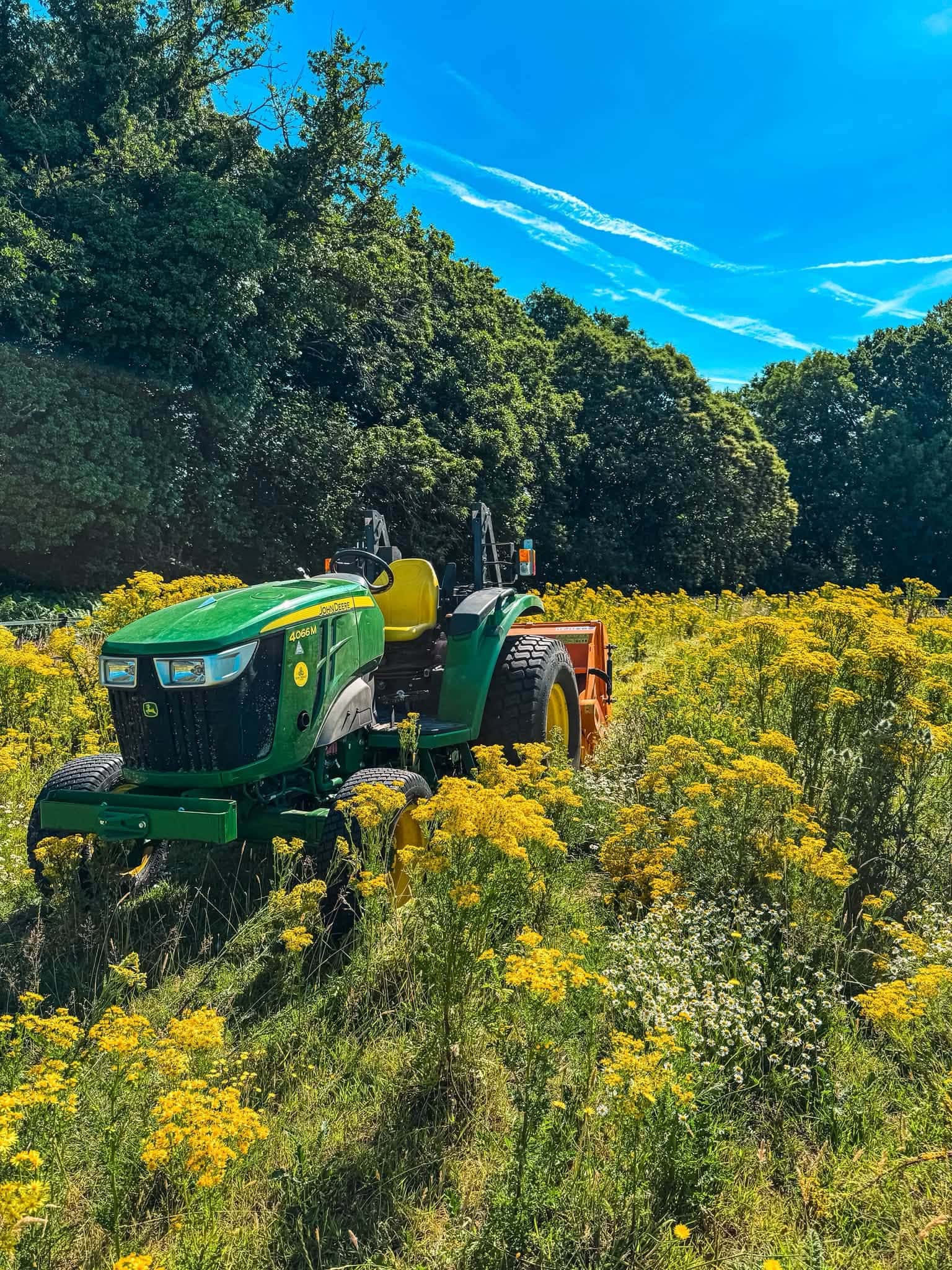
Ragwort is one of the most troublesome weeds found in UK paddocks, grazing fields and pasture. Not only does it compete with valuable grass, but it also poses a serious risk to horses, cattle and other livestock. Once established, ragwort can spread rapidly through seed, making early control…
When ragwort gets too big, spraying alone isn't always the best solution. Here's why we sometimes flail and collect the plants before applying herbicide, and why this approach delivers better long-term results for horse paddocks. Ragwort is one of the most dangerous weeds found in horse paddocks.…
For anyone involved in paddock management, spraying is never something to be taken lightly. Whether you are controlling ragwort, docks, nettles, buttercups or invasive weeds, you are applying chemicals into an environment where horses and livestock live, graze and feed. Done correctly, herbicide…
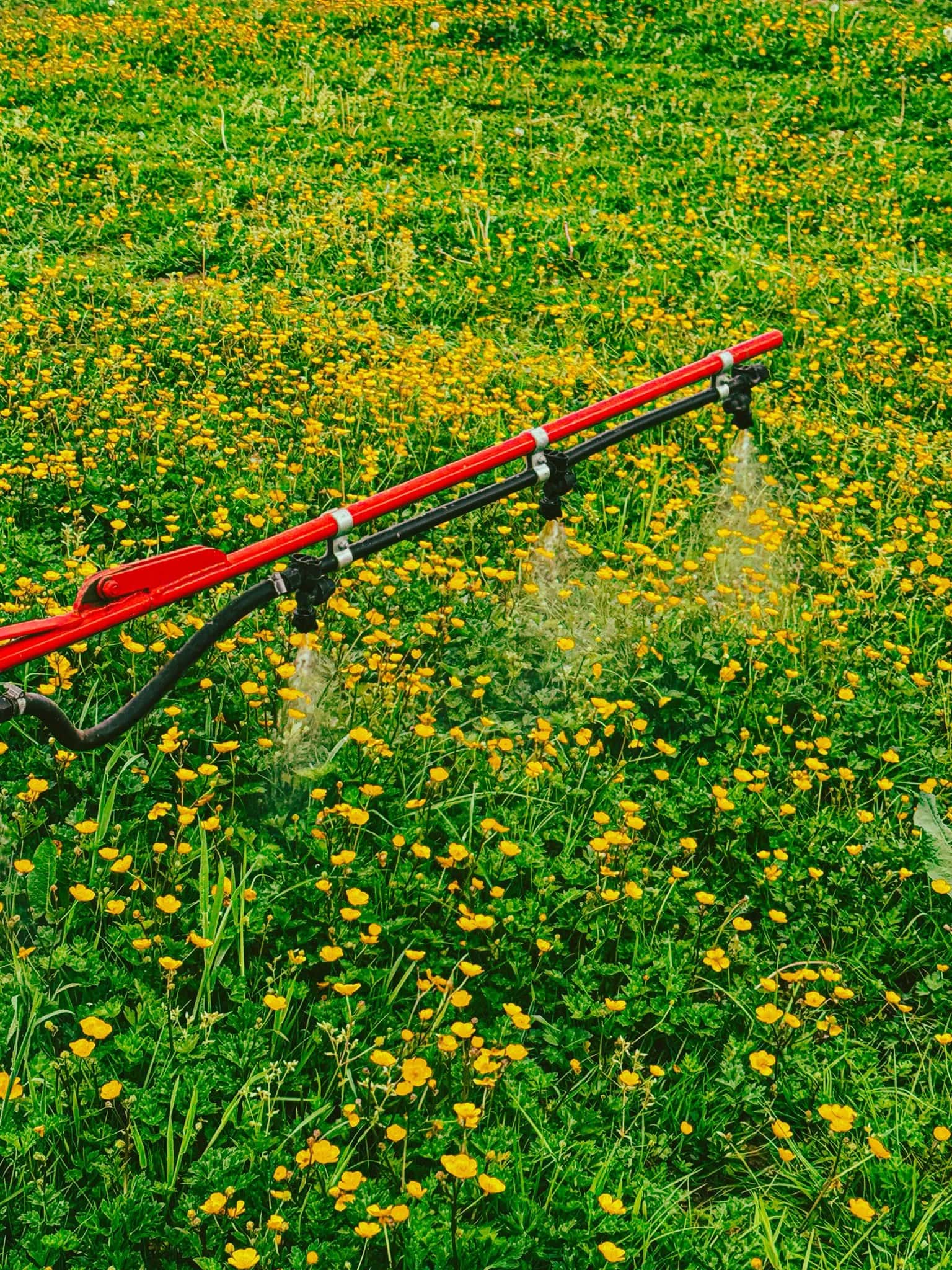
Buttercups might look harmless when they flower across a paddock in spring, but for horse owners they are often a warning sign that grazing quality is deteriorating. Heavy infestations of creeping buttercup and meadow buttercup can quickly outcompete productive grasses, reduce grazing value, and…
Paddock management and paddock maintenance are critical to keeping horses healthy, preserving pasture quality, and avoiding costly land degradation over time. A well managed paddock supports consistent grass growth, reduces weed pressure, improves drainage, and minimises the risk of injury or…
We're pleased to share some news that we think will make a real difference for horse owners and landowners across Hampshire: Hampshire Paddock Management … Read More
Introduction If you're managing a paddock in Hampshire, knowing when and how to spray fertiliser can make all the difference. Fertiliser spraying helps your … Read More
As many of you will no doubt be aware, if Ragwort, Docks or Creeping thistles are not kept on top of and removed from … Read More
Discover how to identify when your field is ready for ploughing. Understand soil, weeds, and moisture for optimal field plough results. … Read More
If your paddock needs work and you’d rather someone else handled it, get in touch.
Get a quote →