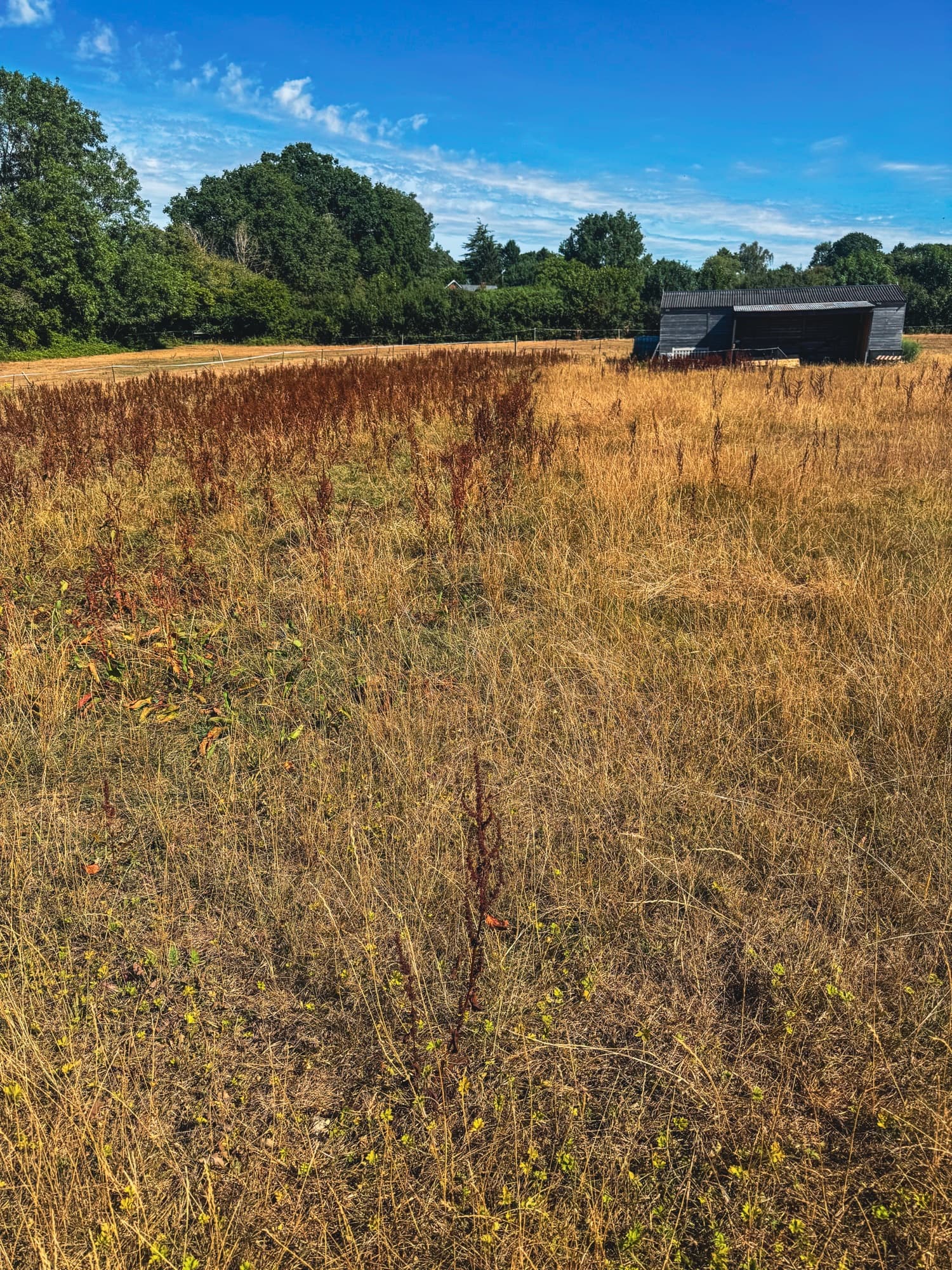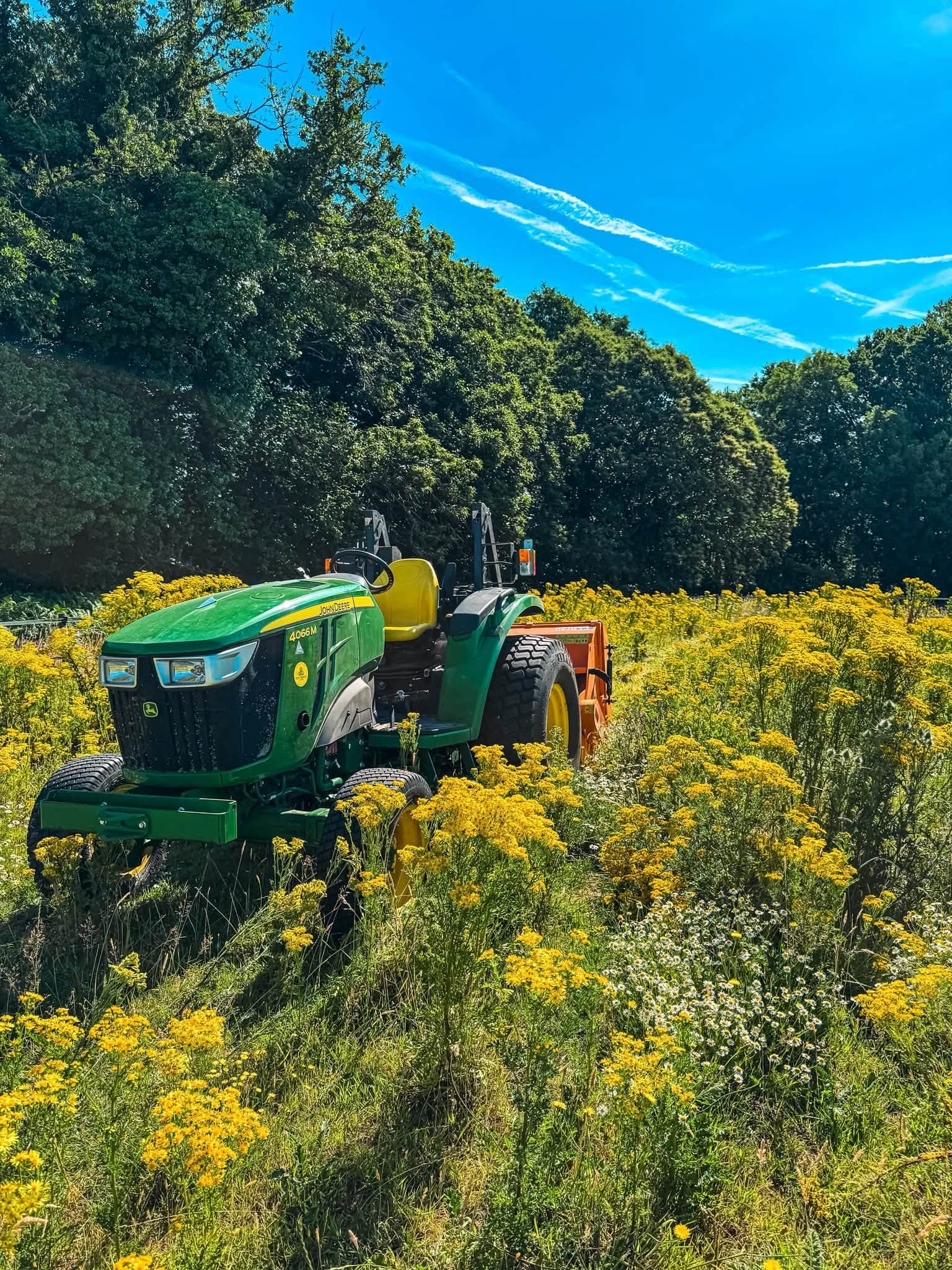
Ragwort is one of the most troublesome weeds found in UK paddocks, grazing fields and pasture. Not only does it compete with valuable grass, but it also poses a serious risk to horses, cattle and other livestock. Once established, ragwort can spread rapidly through seed, making early control essential.
At Emmerdale Agricultural Services, Herbicide Thrust is one of our preferred selective herbicides for tackling ragwort alongside a range of other broad-leaved weeds. When used correctly, it provides excellent control while allowing desirable grasses to remain unaffected.
Why Ragwort Is Such a Problem
Ragwort (Jacobaea vulgaris) is highly poisonous to horses and cattle due to naturally occurring toxins known as pyrrolizidine alkaloids. These toxins cause irreversible liver damage and, unlike many poisonous plants, ragwort remains toxic even after it has died or dried.
This is particularly important because:
- Fresh ragwort is often avoided by grazing animals due to its bitter taste.
- Once cut or sprayed and allowed to wilt, it becomes less bitter while remaining highly toxic.
- Dried ragwort in hay or silage is especially dangerous because animals cannot distinguish it from normal forage.
A single mature plant can produce tens of thousands of seeds, allowing infestations to spread quickly if left untreated.
Why Choose Thrust Herbicide?
Thrust is a professional selective herbicide designed to control many common broad-leaved weeds without damaging established grassland when applied according to the label.
It is particularly effective against:
- Ragwort
- Docks
- Creeping thistle
- Spear thistle
- Buttercups
- Plantains
- Nettles (where listed on the label and at suitable growth stages)
- Many other common pasture weeds
Because it leaves grasses largely unaffected, paddocks recover far more quickly than if a total weedkiller such as glyphosate had been used.
When Is the Best Time to Spray Ragwort?
Timing is critical.
The most effective applications are made when ragwort is actively growing but before it reaches full flowering and begins producing seed.
The ideal growth stages are:
- Seedling stage
- Rosette stage
- Early bolt stage
Young plants absorb herbicide far more efficiently than mature flowering plants.
If plants have already produced large flowering stems, control becomes more difficult and additional management may be required.
How Thrust Works
Thrust is a systemic selective herbicide.
Once sprayed onto the leaves, it is absorbed into the plant and transported throughout its growing system, eventually killing both the visible growth and the root system.
Unlike contact herbicides that only scorch the foliage, systemic products provide much more reliable long-term control.
Visible symptoms typically include:
- Leaf twisting
- Yellowing
- Wilting
- Gradual dieback over several weeks
Results are not immediate, and patience is important.
Grazing and Livestock Safety
One of the biggest concerns with spraying ragwort is what happens after treatment.
Dead and dying ragwort remains poisonous.
For this reason:
- Livestock should be excluded from treated areas until it is safe to return according to the product label.
- Any dead ragwort that animals could eat should be removed and disposed of safely.
- Continue monitoring treated fields over the following weeks.
This step is especially important in horse paddocks where even relatively small amounts of ragwort can pose a significant health risk.
Large Ragwort Plants May Need Flail Collection First
Where ragwort has been allowed to become large and mature, simply spraying may not always be the best approach.
Large plants have a significant leaf and stem mass, making complete herbicide coverage more difficult. In severe infestations, many contractors choose to:
- Flail and collect the mature plants.
- Allow fresh regrowth to emerge.
- Spray the young regrowth with Thrust.
This approach often provides more reliable long-term control while reducing the amount of poisonous dead plant material left on the surface.
Good Spraying Practice
Successful weed control depends on more than simply choosing the right herbicide.
Professional application should include:
- Correct boom calibration.
- Appropriate water volume.
- Even spray coverage.
- Suitable forward speed.
- Calm weather conditions.
- Avoiding spray drift onto neighbouring crops or sensitive plants.
Using air induction (air inclusion) nozzles can significantly reduce the production of fine spray droplets, helping minimise drift while maintaining good coverage on the target weeds.
Preventing Ragwort Returning
Spraying existing plants is only one part of successful pasture management.
To reduce future infestations:
- Maintain dense grass cover.
- Avoid overgrazing.
- Repair bare patches.
- Regularly inspect paddocks.
- Remove isolated plants before they seed.
- Monitor field boundaries and gateways where new seedlings often establish.
Healthy grass is one of the best natural defences against weed invasion.
Why Professional Herbicide Application Matters
Professional spraying ensures:
- Correct herbicide selection.
- Accurate application rates.
- Compliance with current regulations.
- Reduced environmental impact.
- Maximum weed control.
- Better value for money.
Incorrect application can reduce effectiveness, waste product and increase the likelihood of weeds surviving.
Thrust for Long-Term Pasture Improvement
Ragwort is far more than an unsightly weed—it is a genuine animal welfare issue and one of the most important weeds to manage in grazing land.
Applied at the correct growth stage, Thrust herbicide provides excellent selective control while preserving valuable grassland. Combined with good pasture management and ongoing monitoring, it can significantly improve both the safety and productivity of paddocks and grazing fields.
If your fields are affected by ragwort, docks, thistles or other broad-leaved weeds, professional spraying can restore healthy grazing and help prevent future infestations before they become costly to manage.
Frequently Asked Questions
Does Thrust kill ragwort?
Yes. Thrust is highly effective against ragwort when applied to actively growing plants, particularly at the seedling or rosette stage.
Is Thrust safe for grass?
Yes. Thrust is a selective herbicide designed to target broad-leaved weeds while leaving established grass largely unaffected when used according to the product label.
Can horses graze after spraying ragwort?
Animals should not graze treated areas until the product label requirements have been met, and any dead or dying ragwort that could be eaten should be removed because it remains poisonous.
What other weeds does Thrust control?
Thrust is commonly used to control docks, thistles, buttercups, plantains and a range of other broad-leaved weeds in grassland.
When is the best time to spray ragwort?
The best results are usually achieved when ragwort is actively growing at the seedling, rosette or early bolt stage before flowering and seed production.
Thrust does the work, but timing, rate and nozzle choice decide whether it holds. If you would rather it was done for you, our paddock spraying service covers Hampshire and the surrounding counties with PA1, PA2 and PA6 certified boom and spot spraying.
Ragwort is one of several paddock weeds we treat as a licensed contractor — docks, thistles, nettles and buttercups included. See our paddock weed control service for what we treat and how.
Ragwort isn’t the only thing in a paddock that’s poisonous to horses. Come autumn, fallen acorns are another risk to watch for — see acorns and horses.