Every autumn, thousands of horse owners across the UK face a hidden danger lurking in their fields. While colourful oak trees can make a paddock look picturesque, the acorns they produce can pose a serious health risk to horses.
If your horse grazes in a field with oak trees nearby, understanding the dangers of acorn poisoning and taking steps to remove fallen acorns could help prevent a veterinary emergency.
Are Acorns Poisonous to Horses?
Yes. Acorns are poisonous to horses when eaten in sufficient quantities.
Acorns, along with oak leaves and young oak shoots, contain compounds known as tannins. These naturally occurring chemicals can irritate the digestive system and, in more severe cases, damage the kidneys.
Most horses won't actively seek out acorns when there's plenty of good grazing available. However, during the autumn, when grass quality begins to decline or curiosity gets the better of them, horses may consume enough acorns to become seriously ill.
The risk is greatest between September and November, particularly after strong winds when large numbers of acorns fall in a short period.
Symptoms of Acorn Poisoning in Horses
If you believe your horse has eaten a large number of acorns, it's important to monitor them closely and contact your vet immediately if any symptoms develop.
Signs of acorn poisoning may include:
- Loss of appetite
- Lethargy
- Mild to severe colic
- Constipation followed by diarrhoea
- Dark or bloody droppings
- Excessive drinking
- Mouth ulcers
- Reduced urine output
- Signs of kidney damage
Unfortunately, severe cases can be fatal if treatment is delayed, making prevention far better than cure.
Which Horses Are Most at Risk?
Any horse grazing around oak trees can be affected, but the risk increases when:
- Grazing is poor or fields have become overgrazed.
- Horses are turned out for long periods with little supplementary forage.
- Young horses investigate and chew unfamiliar objects.
- Large mature oak trees produce heavy acorn crops.
- Storms or high winds bring down thousands of acorns overnight.
It's worth remembering that even horses that have ignored acorns for years can suddenly start eating them.
How to Prevent Acorn Poisoning
The simplest way to protect your horses is to reduce or eliminate their access to fallen acorns.
Good paddock management includes:
- Inspecting fields regularly during autumn.
- Fencing off areas beneath oak trees where practical.
- Providing plenty of quality forage so horses are less tempted to browse.
- Checking fields after storms and high winds.
- Removing fallen acorns as quickly as possible.
While temporary fencing can work in some situations, it's not always practical, especially where multiple oak trees are scattered across a grazing field.
Our Acorn Removal Service
One of the specialist services we provide each autumn is professional acorn sweeping for horse paddocks.
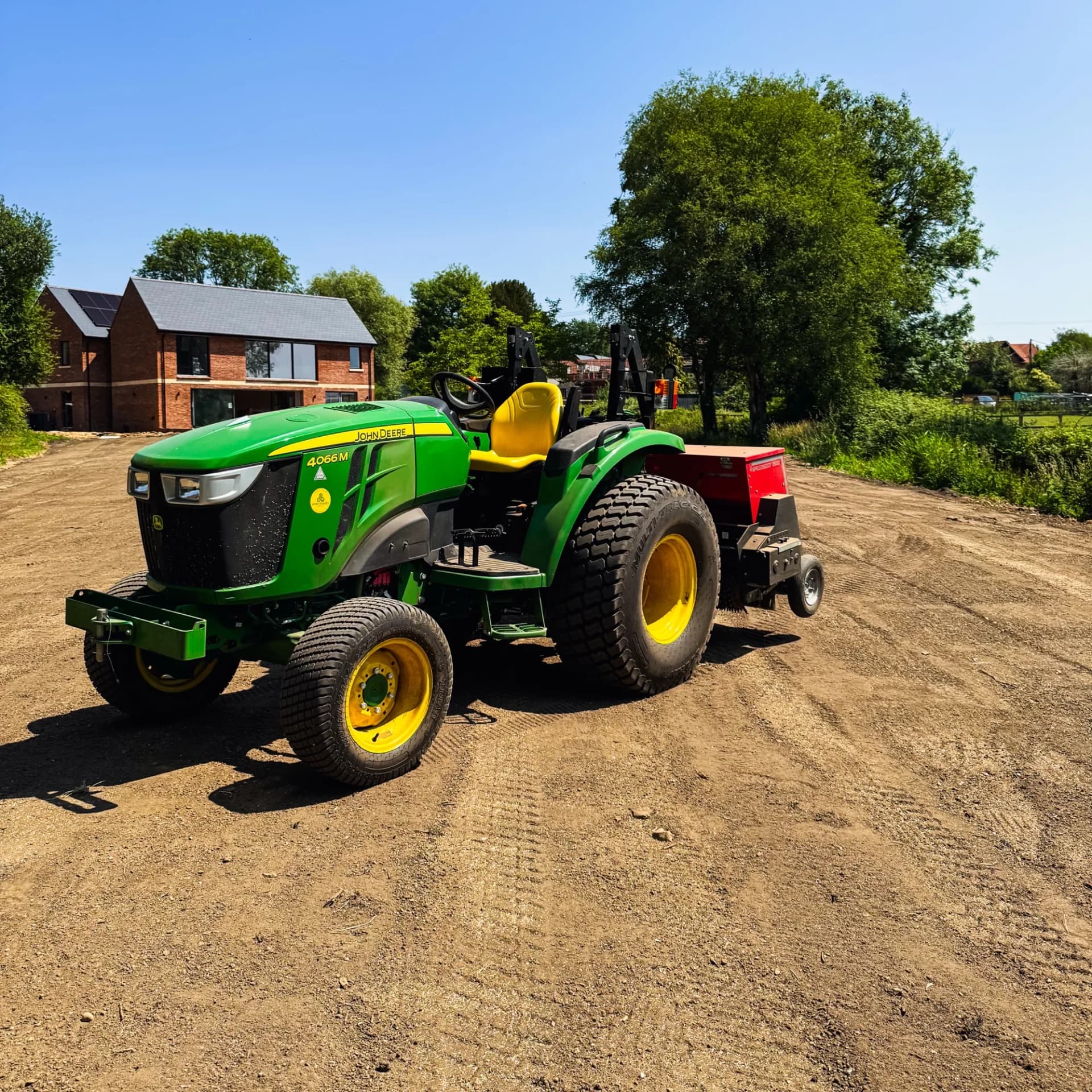
Rather than relying on manual collection—which is extremely time-consuming—we use specialist paddock sweeping equipment to collect large quantities of fallen acorns quickly and efficiently.
Our sweeping service helps:
- Remove thousands of fallen acorns.
- Reduce the risk of horses consuming toxic acorns.
- Collect leaves, twigs and other seasonal debris.
- Improve the appearance of your paddocks.
- Leave grazing cleaner and safer throughout the autumn.
For many yards, this has become an essential part of their annual paddock maintenance programme.
Why Timing Is Important
Oak trees rarely drop all of their acorns at once.
Depending on the weather, acorns may continue falling for several weeks. Heavy winds can also cause another significant drop overnight, even after a paddock has been cleared.
For this reason, we often recommend scheduled visits throughout the autumn rather than a one-off sweep. Regular maintenance keeps acorn levels as low as possible during the period of greatest risk.
Professional Horse Paddock Maintenance
Acorn removal is just one part of maintaining healthy grazing.
Alongside autumn paddock sweeping, many horse owners combine the service with seasonal paddock maintenance such as:
- Chain harrowing
- Grassland aeration
- Rolling
- Weed control
- Overseeding
- Fertiliser application (where appropriate)
- General paddock renovation
Keeping your grazing in excellent condition not only improves pasture quality but also reduces many of the hazards that can affect horse health throughout the year.
Protect Your Horses This Autumn
Acorn poisoning is entirely preventable in most cases. Regular field inspections, good grazing management and prompt removal of fallen acorns can significantly reduce the risk to your horses.
If your paddocks contain oak trees, now is the time to plan ahead.
Our professional horse paddock acorn sweeping service removes large numbers of fallen acorns quickly and efficiently, helping to create a safer environment for your horses throughout the autumn months.
Need help preparing your paddocks for autumn?
Contact us today to arrange an acorn sweep or discuss a complete seasonal paddock maintenance programme. We'll help keep your grazing clean, healthy and safe, so you can enjoy the season with confidence.