Paddock Topping
Paddock topping is one of the essential elements of correct paddock maintenance. Grassland that regularly undergoes topping will appear healthy and of a high quality, while the grass continues to grow strong and durable. By topping your paddock you will notice a significant difference in the quality of your grass and the overall appearance of the land.
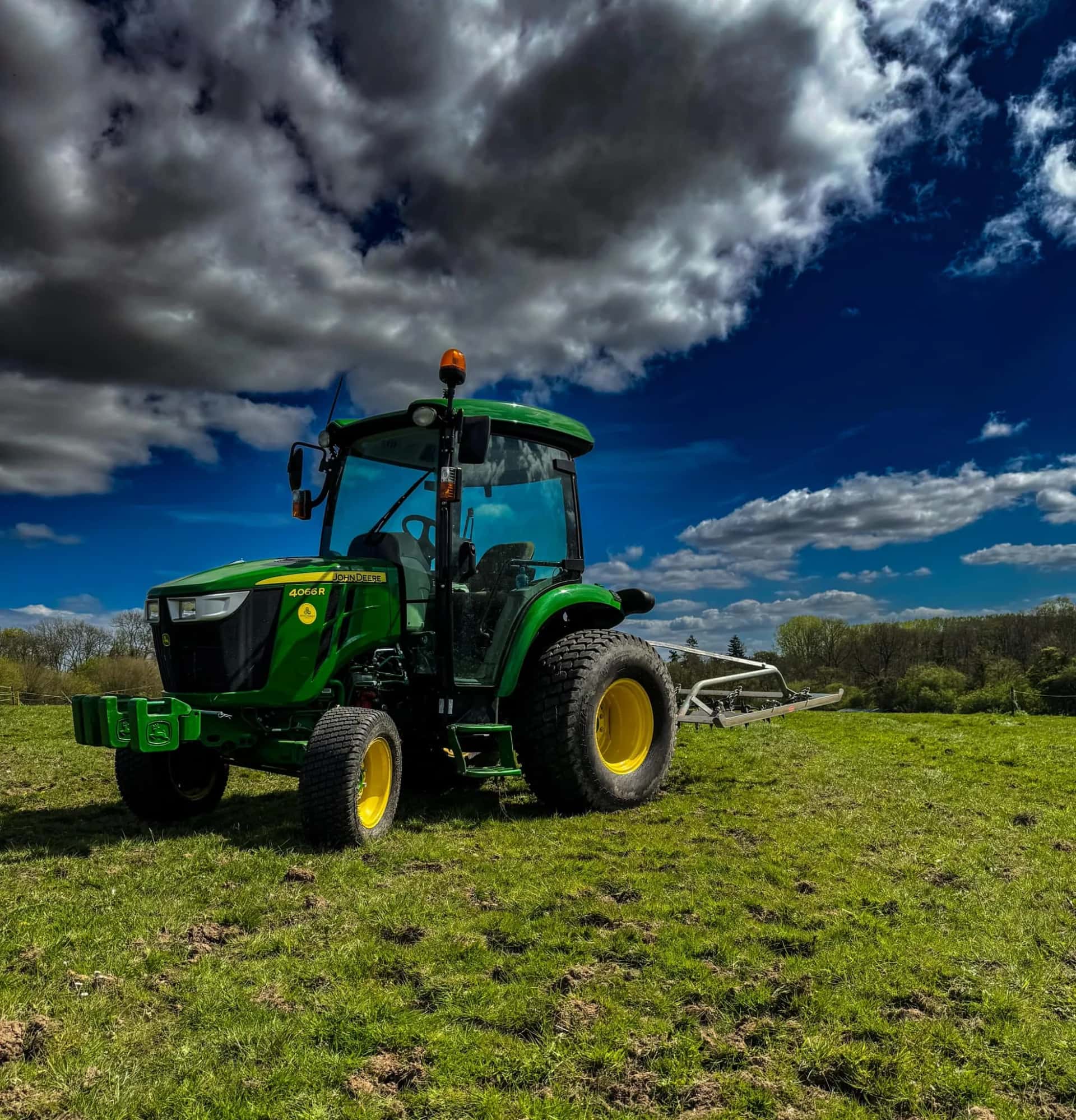
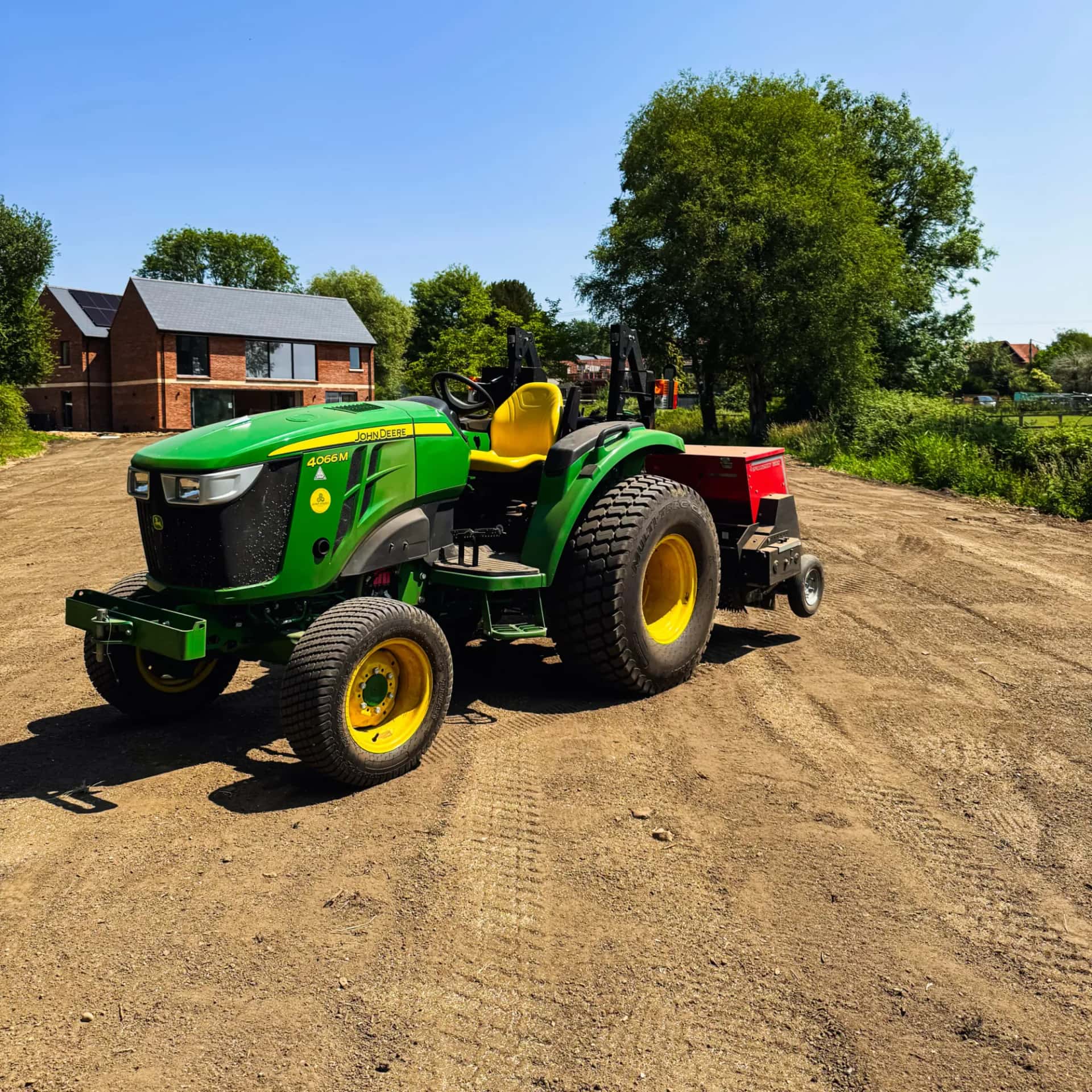
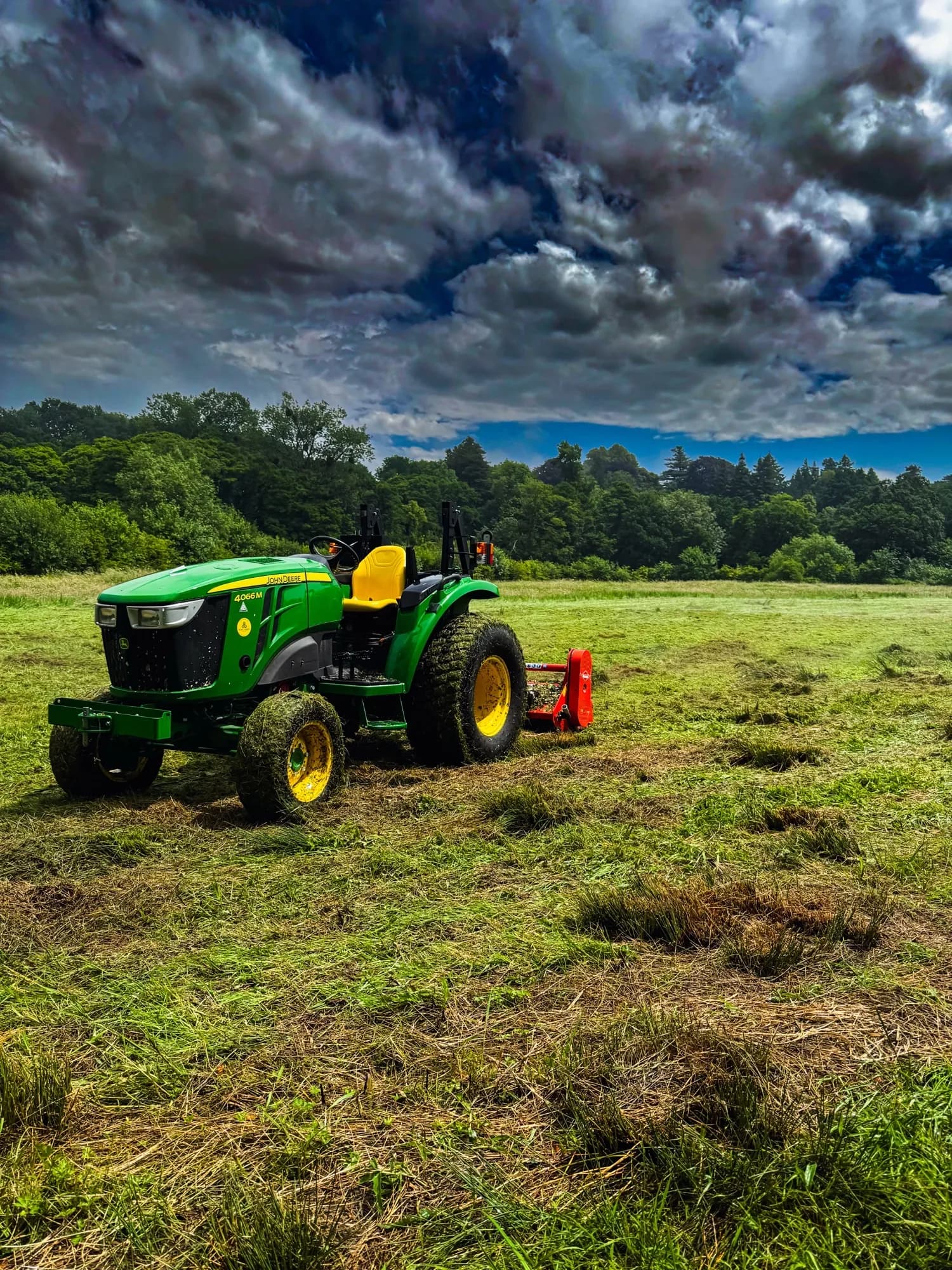
At Hampshire Paddock Management we can conduct paddock topping on your land with the helpful assistance of our professional tools and machinery, including our tractors that are the perfect size for accessing paddocks and small holdings.
Why You Should Practise Paddock Topping
Maintaining a quality pasture is not only useful for the appearance of your land but also the health of grazing animals and the quality of your grass. Ensuring weeds are kept to a minimum works to reduce the risk of diseases and pest problems. Keeping your paddock safe from such issues will guarantee a healthy and sustainable paddock that your animals can graze on without concern.
Using a tool like our flail mower, we can cut down the pieces of grass into very small pieces helping to regenerate the pasture and allow for a much faster turnaround. Getting your animals back to graze and your grass back to a high quality is our main priority. So, we therefore focus our attention on getting this task done in an efficient and timely manner that results in the best and fastest results for our clients.
Paddock Mowing
Paddock Topping & Mowing Services
When to Top Your Paddock (and When Not To)
Topping works best when the grass has got away from the horses and weeds such as docks, thistles and buttercups are flowering but haven’t yet set seed. Cutting at that stage stops the seed spreading, knocks the weeds back and encourages the grass to tiller and thicken. For most Hampshire paddocks that means a first cut in May and a second in August, depending on grazing pressure and how the season has gone.
Avoid topping in a drought: cutting stressed grass exposes the crown and sets regrowth back by weeks. Equally, don’t top when the ground is soft enough to rut — the tyres do more harm than the cut does good. And if a paddock is more weed than grass, or overrun with ragwort, topping alone won’t fix it; it needs targeted weed control or a full renovation instead.
Paddock Topping FAQs
How often should a horse paddock be topped?
Once or twice a season for most paddocks — in May, and again in August if the grass and weeds have come back. Heavily grazed or weedy paddocks sometimes need a third pass; lightly used ones may only need one.
What do you top with?
Mostly a flail topper, which chops the cuttings into small pieces that break down quickly back into the sward rather than lying in swathes. Where a neater, lawn-like finish matters there’s a rotary finishing mower — see finish mowing — and for tougher, overgrown growth like brambles and nettles, flailing.
Will topping get rid of docks, thistles and buttercups?
It weakens them and stops them setting seed, but it won’t kill established plants with deep roots. For long-term control, combine topping with spraying — and harrowing afterwards to open up the sward so the grass can fill the gaps.