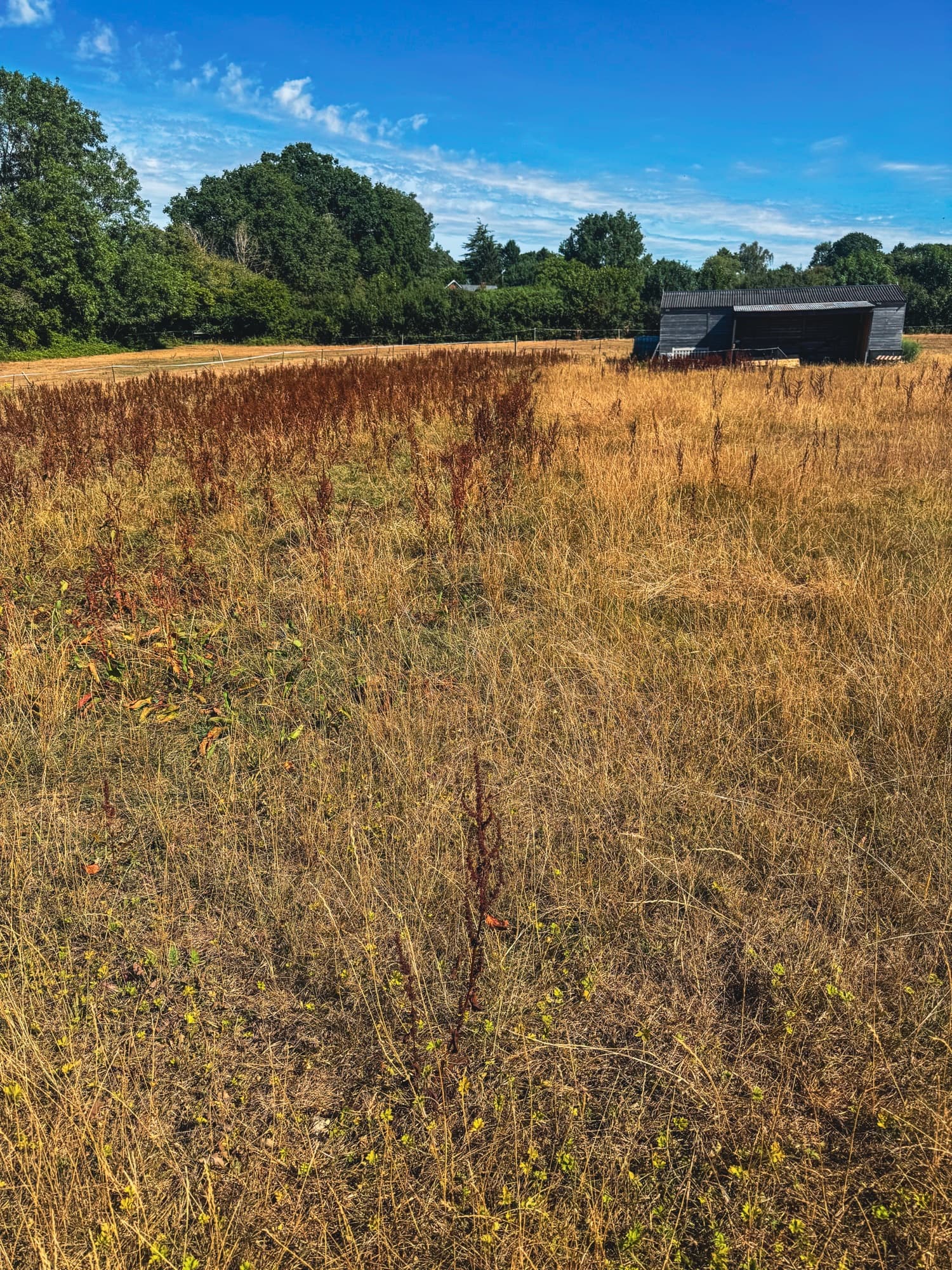
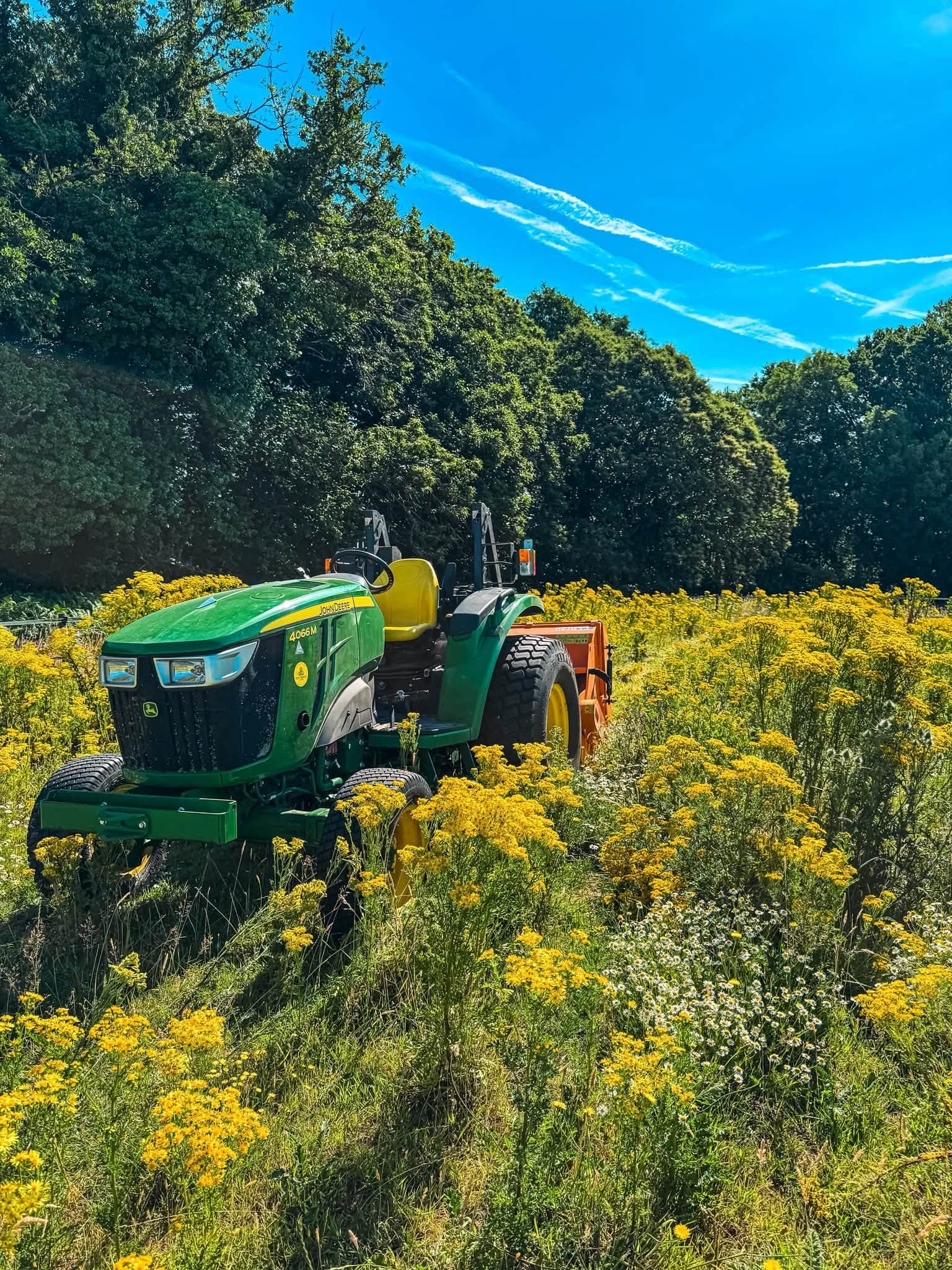
Paddock management and paddock maintenance are critical to keeping horses healthy, preserving pasture quality, and avoiding costly land degradation over time. A well managed paddock supports consistent grass growth, reduces weed pressure, improves drainage, and minimises the risk of injury or disease. Poor management, on the other hand, leads to poached ground, nutrient imbalance, weed infestation, and long term pasture decline. This guide covers the practical and technical aspects of maintaining horse paddocks properly, with a focus on sustainable results and year round usability.
Understanding paddock usage is the starting point. Horses graze selectively and will repeatedly eat their preferred grasses while ignoring less palatable species. This creates uneven grazing patterns, often referred to as a mosaic effect, where some areas become overgrazed and bare while others become rough and dominant with weeds or coarse grasses. Over time, this imbalance reduces the nutritional value of the pasture and increases weed encroachment. Rotational grazing is the most effective way to counter this. Dividing paddocks into smaller sections and moving horses between them allows grazed areas to recover and regrow. Rest periods are essential for root recovery and sward density, particularly during the growing season.
Soil health sits at the core of effective paddock management. Without the correct soil structure and nutrient profile, grass cannot establish or persist. Regular soil testing should be carried out to measure pH, phosphorus, potassium, and organic matter levels. Most pasture grasses perform best at a pH between 6.0 and 6.5. If the soil is too acidic, applying lime will correct the pH and improve nutrient availability. Fertiliser should be applied based on soil test results rather than guesswork. Over fertilising can lead to excessive top growth and nutrient runoff, while under fertilising limits recovery and productivity.
Drainage is another major factor that determines paddock performance. Compacted or poorly drained soil leads to waterlogging, especially in high traffic areas such as gateways and feeding zones. This creates mud, damages root systems, and increases the risk of hoof problems. Aeration, either through mechanical spiking or slitting, helps relieve compaction and improves water infiltration. In severe cases, installing land drains or improving surface grading may be required. Managing traffic by rotating feeding areas and using hardcore or mats in gateways can significantly reduce damage.
Grass management involves a combination of mowing, overseeding, and species control. Topping paddocks after grazing helps remove rough patches and encourages more uniform regrowth. It also prevents weeds from going to seed. Overseeding is used to introduce desirable grass species and improve sward density. This is particularly important in areas that have become thin or bare. Selecting the right seed mix is essential. Horse paddocks typically benefit from hard wearing, low sugar grass varieties that can tolerate close grazing and hoof impact.
Weed control is a constant requirement in paddock maintenance. Common weeds such as ragwort, docks, and thistles compete with grass and can pose serious health risks to horses. Ragwort is particularly dangerous as it is toxic even when dried in hay. Control methods include manual removal, topping, and selective herbicide application. Timing is critical when using herbicides, as effectiveness depends on the growth stage of the weed. Always follow withdrawal periods before allowing horses back onto treated pasture.
Manure management is often overlooked but has a significant impact on pasture health. Horses tend to avoid grazing near droppings, which leads to the formation of rough patches. Regular poo picking, ideally several times per week, helps maintain even grazing and reduces parasite loads. In larger paddocks where manual removal is impractical, chain harrowing can be used to break up droppings and distribute nutrients, although this should only be done in warm, dry conditions to avoid spreading parasites.
Seasonal management strategies are essential for maintaining paddock condition throughout the year. In spring, focus on fertilisation, overseeding, and early weed control. This is the main growth period, so maximising grass health here sets the tone for the rest of the year. Summer management involves controlling grazing pressure and preventing overuse during dry periods. In autumn, aeration and reseeding are often most effective due to favourable soil moisture and temperature. Winter requires careful management to prevent excessive poaching. Reducing stocking density or using a sacrifice paddock can protect the main grazing areas from long term damage.
Stocking density plays a major role in paddock sustainability. Overstocking leads to rapid degradation, while understocking can result in rank, unmanaged grass. As a general guideline, one horse per one to one and a half acres is considered sustainable under typical UK conditions, although this varies depending on soil type, climate, and management intensity. Adjusting stocking levels based on seasonal conditions is often necessary.
Fencing and infrastructure should not be ignored. Secure fencing ensures safety and allows for effective rotational grazing. Electric fencing is particularly useful for subdividing paddocks and controlling grazing patterns. Water supply should be clean, accessible, and positioned to minimise ground damage. Moving water troughs periodically can help prevent the formation of muddy areas.
Long term paddock maintenance is about consistency rather than one off interventions. Small, regular actions such as poo picking, monitoring grass condition, and adjusting grazing patterns have a cumulative effect that keeps paddocks productive and safe. Neglect tends to compound quickly, leading to expensive restoration work later.
In summary, effective paddock management combines soil science, grassland management, and practical husbandry. By focusing on soil health, controlled grazing, weed management, and seasonal planning, it is possible to maintain high quality pasture that supports both horse welfare and land value.
What a paddock maintenance programme includes
Proper paddock maintenance isn't one job — it's a seasonal cycle of complementary operations that keep grazing productive, safe and usable year round. A typical programme combines:
- Topping — paddock topping cuts back rough, ungrazed growth, docks, thistles and ragwort before they set seed, evening out selective grazing and encouraging fresh, palatable regrowth.
- Harrowing — chain harrowing tears out dead thatch, breaks up and spreads droppings to disrupt the worm cycle, and lets air and water back into the sward.
- Rolling — rolling firms ground lifted by winter frost or poaching, presses stones down and leaves a level, even surface for grazing and machinery.
- Fertiliser — fertiliser application replaces the nutrients grazing strips out, keeping grass vigorous instead of thinning and letting weeds move in.
- An annual herbicide spray — the backbone of weed management. A yearly herbicide spray, backed by ongoing weed control, knocks back ragwort, docks, nettles, thistles and buttercups before they take hold and spread.
And that last point earns its place, because every weed is a patch of grass you don't have. A one-acre paddock that's half covered in weeds is, in grazing terms, a half-acre paddock — you're fencing, paying for and managing land that isn't feeding anything. An annual herbicide spray is the single most cost-effective way to claw that grazing back and keep maximum grass coverage across the whole paddock, year after year.
Paddock maintenance FAQs
How often should I spray my paddock for weeds?
An annual herbicide spray is the sensible baseline for most horse paddocks — done once a year, timed to spring or early summer when weeds are actively growing and most vulnerable. Left unsprayed, weeds spread fast and steal ground from the grass; a yearly spray keeps them in check so the whole paddock stays productive. Ragwort and other stubborn weeds may also need spot treatment between sprays.
How often should a paddock be maintained?
Little and often beats occasional heavy intervention. Topping and harrowing suit the growing season as grass and weeds get away; rolling is usually a spring job; fertiliser and weed control are timed to need rather than the calendar.
When is the best time of year for paddock maintenance?
Spring for rolling, fertilising and harrowing as the ground dries; summer for topping to keep weeds and rough growth in check; autumn for harrowing, repairs and a final top before winter. The key rule is to avoid working wet, soft ground.
Do you offer ongoing paddock maintenance in Hampshire?
Yes — across Hampshire and the South of England, we put together a maintenance programme tailored to each paddock, with an annual herbicide spray as standard. Get in touch for a quote.
If you want the full picture — what a paddock actually needs through the year, the complete service list and how the pricing works — start with our guide to paddock maintenance in Hampshire.
If you want the job-by-job version — what each task does, which ones matter most and a rough seasonal order — read what paddock management actually involves.