When ragwort gets too big, spraying alone isn't always the best solution. Here's why we sometimes flail and collect the plants before applying herbicide, and why this approach delivers better long-term results for horse paddocks.
Ragwort is one of the most dangerous weeds found in horse paddocks. While horses will usually avoid fresh growing ragwort because of its bitter taste, once it dies or dries out it loses that bitterness while retaining its toxic alkaloids. Just a relatively small amount consumed over time can cause irreversible liver damage.
For that reason, effective ragwort control isn't just about killing the plant—it's about removing the risk to your horses.
The Problem With Mature Ragwort
Many people assume that larger ragwort plants are easier to kill because there's more leaf surface for the herbicide to land on. In reality, the opposite is often true.
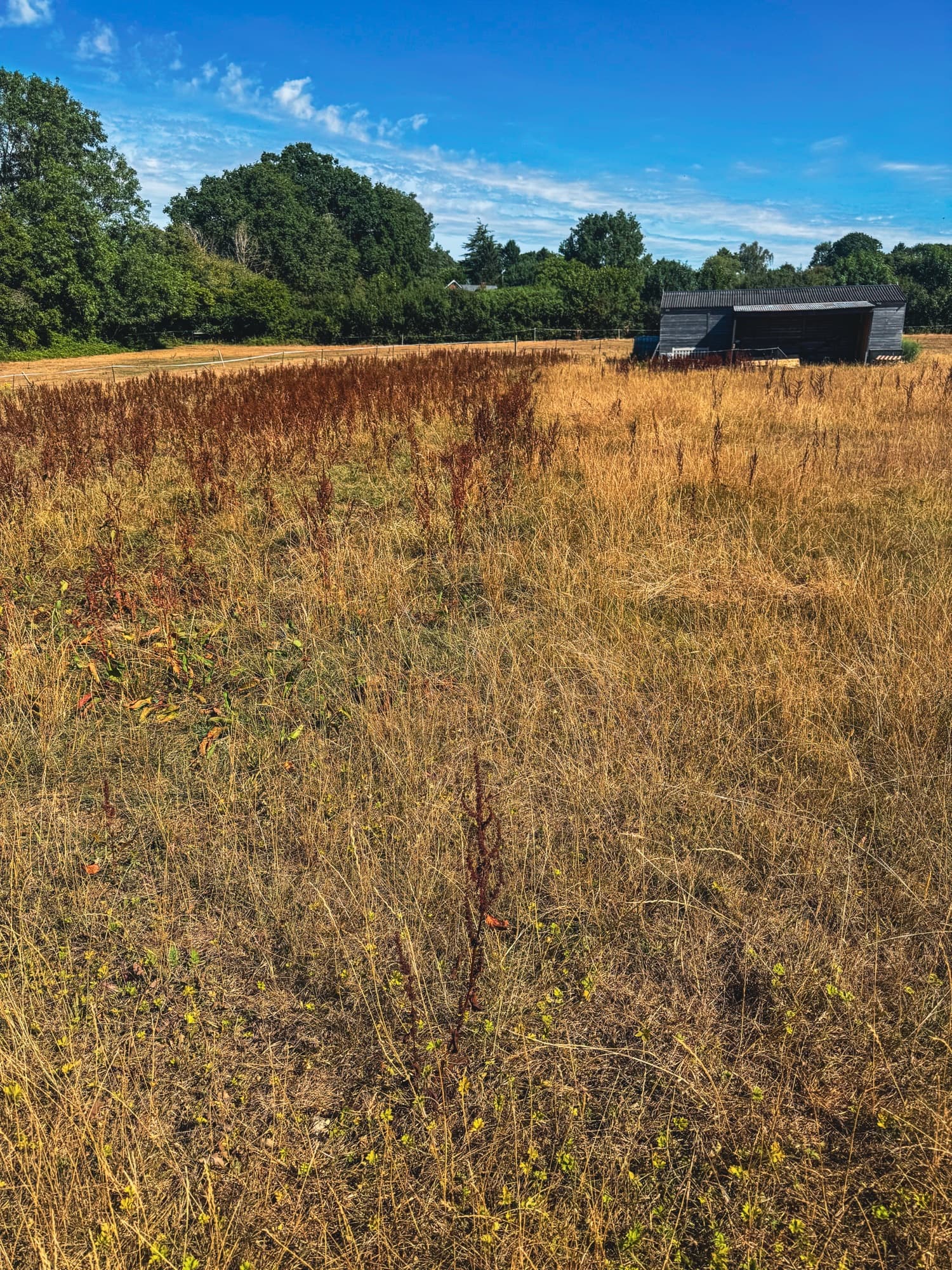
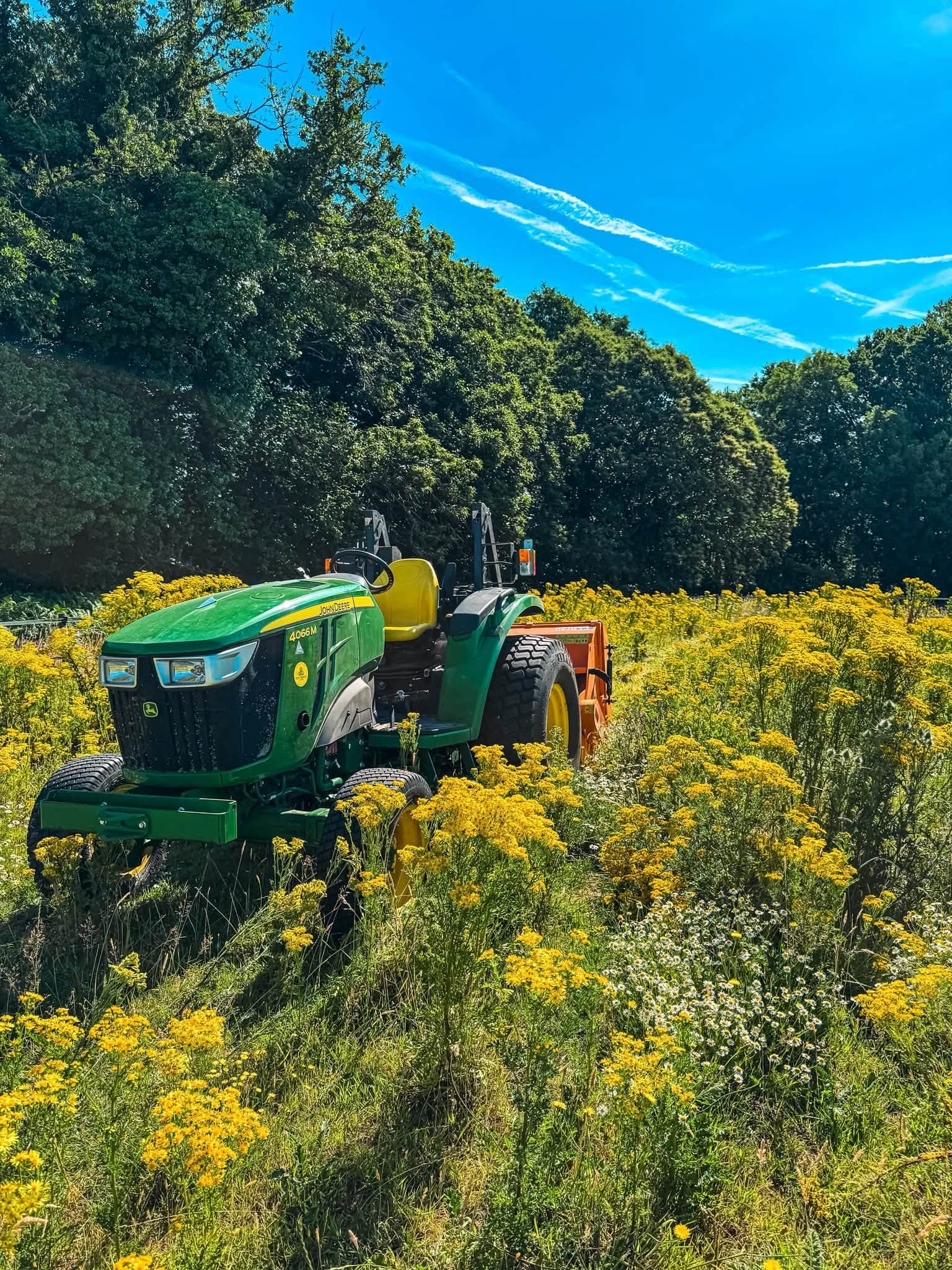
Once ragwort reaches full maturity, plants can be well over a metre tall with thick stems, woody growth and dense flowering heads. At this stage they present several challenges:
- A huge leaf area that requires excellent spray coverage.
- Thick stems that are harder for herbicides to translocate through.
- Dense canopies that prevent spray reaching lower leaves.
- Plants that are already putting energy into producing seed.
Although selective herbicides such as Thrust are very effective on actively growing ragwort, every product has a maximum approved application rate. Simply increasing the dose to compensate for enormous plants isn't an option—it's both illegal and potentially damaging to surrounding grassland.
Instead, we need to make the herbicide work as efficiently as possible.
Why We Flail First
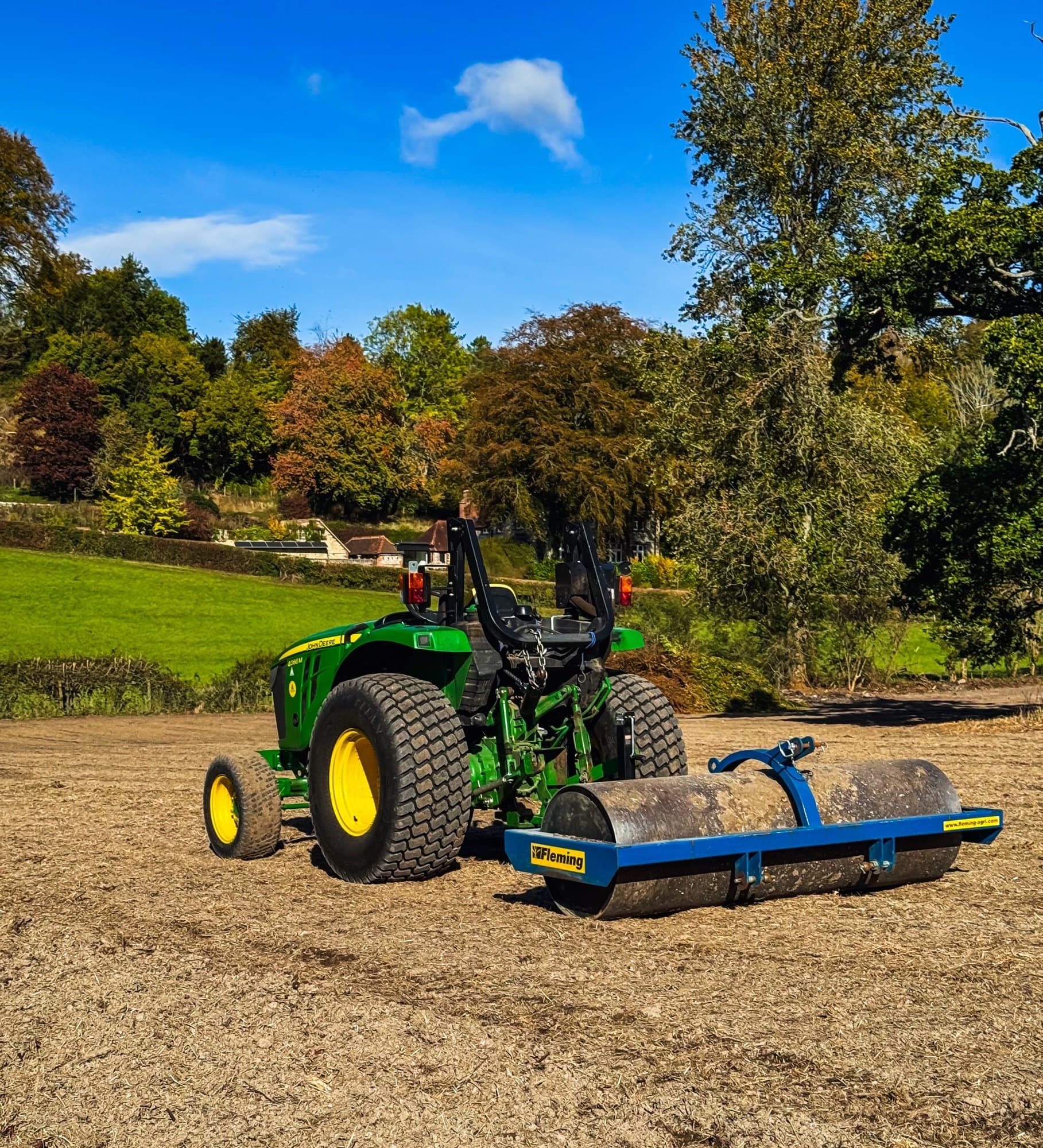
Where ragwort has become excessively large, our preferred approach is often to flail and collect the plants before spraying the regrowth.
This may seem like doing the job twice, but it's actually a far more effective long-term strategy.
Flailing removes the bulk of the mature plant, allowing us to:
- Remove the flowering heads before they produce viable seed.
- Eliminate a large proportion of the toxic plant material from the paddock.
- Encourage fresh, actively growing regrowth.
- Create a much smaller target that's easier for herbicides to control.
Rather than trying to penetrate a huge woody plant with limited chemical, we're treating fresh, vigorous growth that readily absorbs and moves the herbicide down into the root system.
Why Collection Matters
Simply mowing ragwort and leaving it in the field creates another problem.
Freshly cut ragwort rapidly begins to wilt, losing the bitter taste that normally discourages horses from eating it. Unfortunately, the toxins remain.
This is why we flail and collect, removing as much plant material as possible from the paddock before horses ever have access again.
Collection also leaves the paddock looking tidier and reduces the amount of decaying vegetation lying on the grass.
Spraying the Regrowth
After flailing, we allow the ragwort to regrow.
This new growth is exactly what we want.
Young regrowth has:
- Softer leaves.
- Active sap movement.
- Better herbicide uptake.
- Improved movement of the active ingredients into the root system.
Applying a selective herbicide at this stage often delivers significantly better control than attempting to kill an overgrown flowering plant in one application.
It's About Herbicide Efficiency
Every herbicide has an approved maximum dose per hectare.
When plants become extremely large, you're effectively trying to spread the same amount of active ingredient across a much greater volume of vegetation.
That means:
- Less herbicide per leaf.
- Reduced coverage.
- Lower penetration.
- Less active ingredient reaching the roots.
By reducing the plant first, we're allowing the approved herbicide rate to work exactly as intended.
Timing Is Everything
The ideal time to control ragwort is before flowering, when plants are actively growing and easier to kill.
However, in reality we often encounter paddocks where ragwort has been left unmanaged for months or even years.
In these situations, taking a staged approach often produces the best results:
- Flail and collect the mature plants.
- Allow fresh regrowth to develop.
- Apply the appropriate selective herbicide.
- Monitor for any surviving plants or new seedlings.
This integrated approach delivers more consistent control while reducing the risk to grazing horses.
Prevention Is Better Than Cure
Large ragwort infestations rarely appear overnight.
Regular paddock inspections, annual spraying programmes and prompt treatment of isolated plants prevent small problems becoming expensive ones.
Healthy, dense grass swards also help suppress new ragwort seedlings by reducing the bare ground they need to establish.
Professional Ragwort Control from Hampshire Paddock Management
At Hampshire Paddock Management, we don't believe in applying herbicides simply because a field contains weeds. Every paddock is assessed individually to determine the most effective treatment strategy.
Where ragwort has become excessively large, we'll often recommend flail collection followed by selective herbicide application once suitable regrowth appears. This approach not only improves herbicide performance but also reduces the immediate risk posed by large quantities of toxic plant material.
If your paddocks are suffering from ragwort, whether it's a handful of plants or a field-wide infestation, we can recommend the safest and most effective solution to restore your grazing land.
Both halves of this are services we offer separately or together: flailing for the knock-down and weed control for the treatment.