Ploughing is one of the most important steps in preparing a field for crops or pasture use. It helps break up compacted soil, improves aeration, and mixes crop residue back into the ground. A well-ploughed field creates the ideal environment for moisture retention and nutrient absorption, both of which support better crop performance. But not every acre is ready for ploughing at the same time. Getting the timing right leads to better results and less wear on your equipment.
In Hampshire, the condition of your land plays a big part in how successful a field plough will be. Working the ground too early or too late, or when it’s not in the right shape, can end with patchy coverage and wasted effort. That’s why we always recommend looking for a few clear signs before making a start. Below are four practical clues to help you decide when it’s go time.
Signs Of Soil Compaction
Soil compaction is one of the clearest signs that your field could benefit from a plough. When the ground is pressed down too tightly, it makes life difficult for roots, water, and air. Roots can’t spread easily, water stays close to the surface, and there’s not enough airflow below. This slows plant growth and reduces crop yield over time. You’ll often see this in high-traffic spots like livestock paths or areas where machinery repeatedly passes.
Checking for compaction doesn’t require anything fancy. Take a spade and dig down about 30 centimetres. If the soil is tough to get into and comes out in solid clods instead of a crumbly texture, it’s likely compacted. For a more specific test, use a soil penetrometer. It tells you how much force it takes to press into the ground.
Common signs that compaction may be a problem include:
- Water pooling in dips or low-lying areas
- Uneven plant growth, with obvious bare or stunted patches
- Trouble digging with basic tools like a fork or spade
- Lasting tracks or indentations from previous equipment
Sorting this before ploughing helps you reach even depths, reduces machine strain, and leads to a more balanced soil structure. Be sure to check in different areas, especially near water sources or gate openings where pressure builds up more often.
Weed And Surface Vegetation
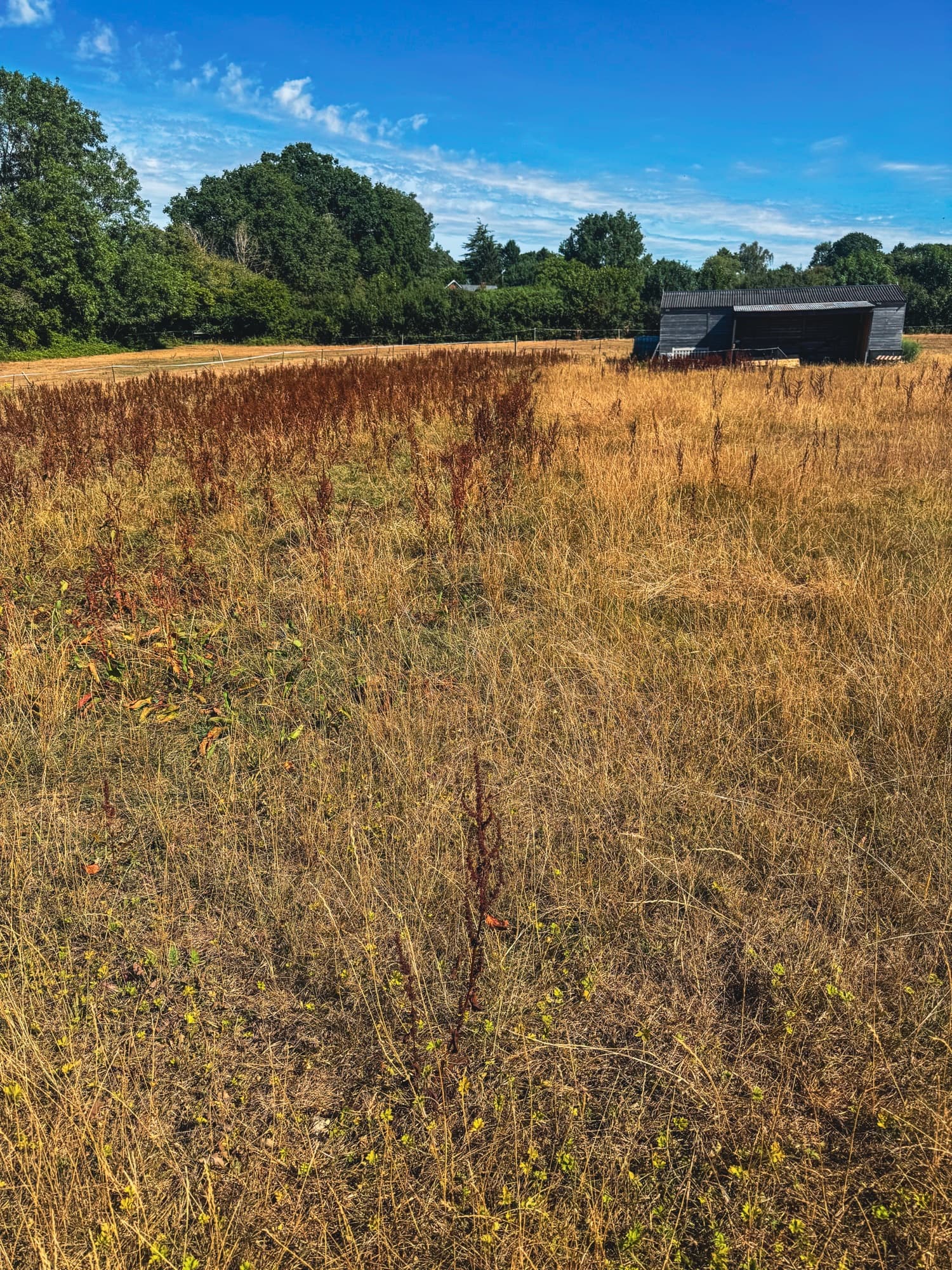
If weeds have taken hold across the field, that might be your next clue. Letting them take over often points to a lack of recent soil disturbance. Many invasive and fast-growing weeds thrive when topsoil has weakened or been neglected. These weeds block light and soak up nutrients that your crops or quality grass mix would need.
Look out for aggressive annual weeds like chickweed or cleavers. Their presence in thick patches could mean the field’s surface layer needs to be turned over. Ploughing helps reduce weed pressure by burying seeds and breaking their early root systems. It’s more than just clean-up. This process preps the seedbed for the next round and boosts the chances of healthy, balanced growth.
Take time to check:
- Whether you see quick-growing, overbearing weed patches
- If coarse, thorny, or spiky plants are overtaking the usual grass
- Any signs that desired forage is being choked out or starved of light
Also, watch the height of surface vegetation. If it’s too tall, there could be uneven ground hidden underneath, which will change how well equipment works. Walk the field and make note of problem spots where overgrowth collects. That gives you a better picture of what lies beneath before you start the process.
Soil Moisture Levels
Checking moisture content is one of the most useful things to do before ploughing your field. Getting it wrong leads to poor results. If things are too wet, you risk smearing and further compacting the soil. Too dry, and you’ll struggle to reach depth, while damaging the blade or causing skips in soil turnover.
You want the soil to crumble gently in your hand. It shouldn’t stick like clay or fall apart like sand. This helps the plough glide through smoothly without clogging or bouncing. A quick hand test works well here. Just grab some soil from about 10 to 15 centimetres deep, then give it a firm squeeze.
Here’s what to watch for:
- If it clumps together loosely, then falls apart when poked, it’s good to go
- If it leaves water or feels sticky and slimy, it’s still too wet
- If it’s dusty and slips straight through your fingers, it’s too dry
Keep in mind that different parts of the field may vary depending on slope, shade, or past use. A corner under trees may hold water longer than an open, sunlit area. Test a few locations and avoid ploughing if some spots feel clearly off. Waiting for the right moisture content makes all the difference in avoiding clumping and achieving steady passes.
Previous Crop Residue
Every leftover stalk and bit of leftover plant material from last season can affect how and when to begin your field plough. Some residue is useful and breaks down to add nutrients back into the soil. But a thick surface layer can block the plough and result in patchy or inefficient passes.
If the remaining stubble or straw becomes packed after rainfall or piles up in places, it’s a sign you’ll need to mix it into the soil. Too much buildup stops air from circulating, and large root systems may clog moving parts. Light tilling ahead of ploughing often breaks up the worst of it.
To check crop residue:
- Walk the field after a period of dry weather
- Use your boot to scuff the surface and look at how thick the plant layer is
- See how much bare soil shows between the stalks or stems
If you find that the surface is mostly blocked, with little to no loose material, ploughing will help redistribute the matter and build a better baseline for your next planting or grazing session. Keep an eye on root balls, leftover hay, or straw cuts that haven’t begun to decay. These can become issues when left too long on the surface.
Making Field Readiness a Habit
Getting top performance from your land involves more than picking a season and going for it. While timing still plays its part, reading the land and understanding its yearly patterns leads to better long-term results. Soil compaction, weed pressure, water balance, and crop debris all affect how ready the land is for working.
Let your field show you when it’s ready. Regular checks let you see patterns across low and high ground, particularly in places that tend to struggle every year. Make it part of a routine to walk your field and note changes in surface texture, vegetation type, and moisture. Spotting small issues early prevents bigger problems that show up when you’ve already got machinery out there.
Once everything matches up, having an experienced team handle the field plough removes guesswork and saves time. It helps protect your equipment, eliminates uneven work, and gets your field set up properly for healthy growth.
When your field shows signs that it’s ready for action, it’s important to move at the right moment for the best results. If you’re considering a professional field plough, Hampshire Paddock Management is here to help. Our team takes care of the heavy lifting while helping to protect your land and set it up for strong, healthy growth throughout the year.