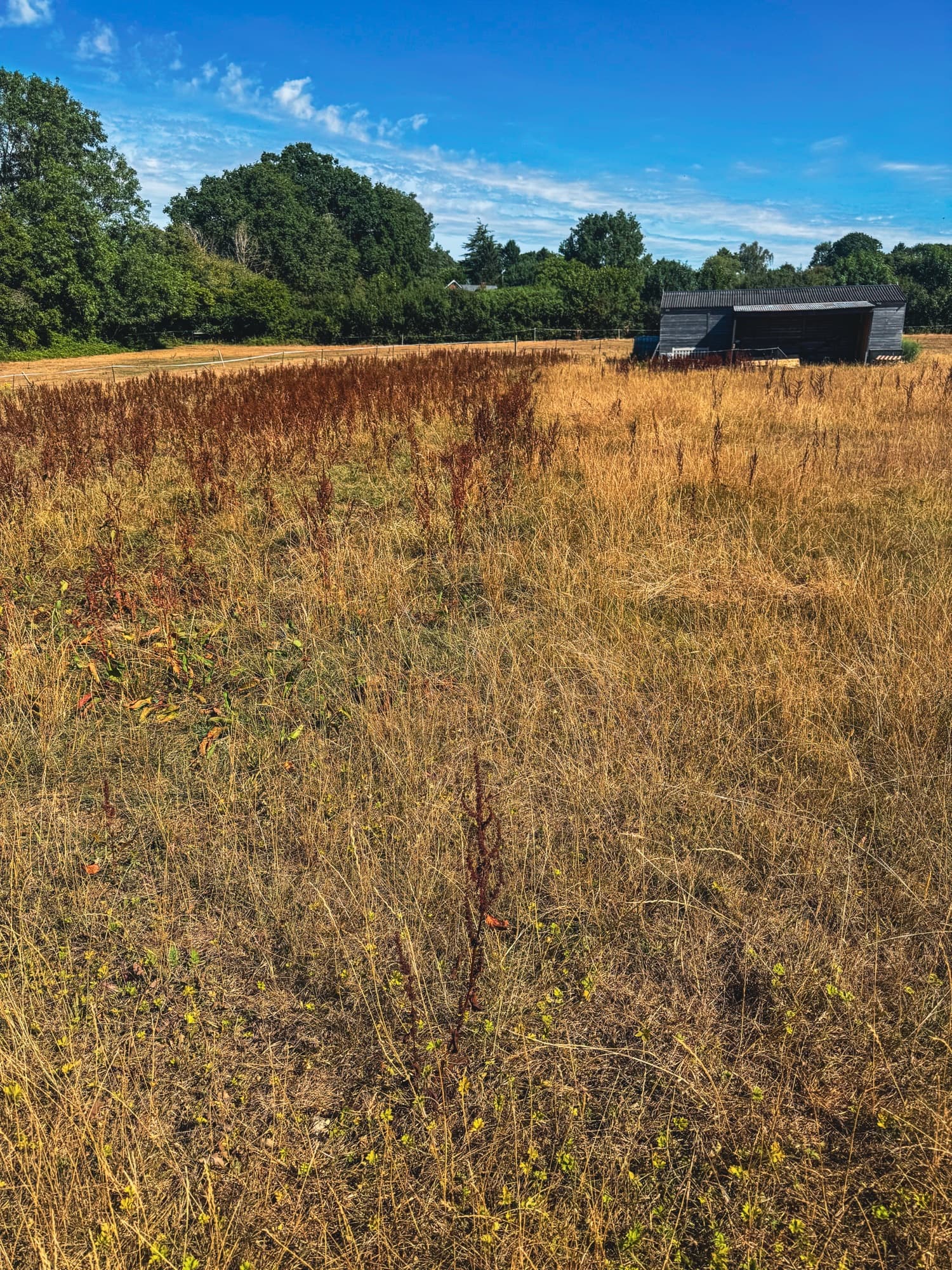
Harrowing is one of the most effective and affordable pasture management practices available to livestock farmers. When carried out at the correct time, harrowing can improve pasture utilisation, distribute nutrients more evenly, reduce pasture waste, encourage healthy grass growth, and help maintain productive grazing land throughout the year.
However, successful harrowing is not simply a matter of dragging equipment across a paddock. Timing is crucial, and choosing the right type of harrow can make a significant difference to the results achieved. Understanding when to harrow and which harrow to use will help maximise pasture performance while avoiding unnecessary damage.
What Is Harrowing?
Harrowing involves pulling a series of tines, chains, or metal teeth across the soil surface to disturb the upper layer of pasture. Depending on the type of harrow used, the process can break up manure deposits, remove dead grass, spread organic matter, level hoof marks, control moss, and stimulate new grass growth.
Harrowing is widely used on cattle, sheep, horse, and mixed livestock farms as part of a broader pasture management programme.
Why Harrow Paddocks?
Improve Nutrient Distribution
Livestock naturally concentrate manure in specific areas of a paddock. These dung patches often become ungrazed while nutrients remain locked in concentrated spots. Harrowing breaks up and disperses manure, helping nutrients become available across a wider area of pasture.
Encourage New Grass Growth
Removing dead material and opening the pasture canopy allows more sunlight, air, and moisture to reach the base of the sward. This can stimulate tillering and encourage thicker, healthier grass growth.
Reduce Pasture Waste
Many grazing animals avoid grazing close to fresh manure deposits. Breaking up these patches helps reduce rejected areas and increases the amount of usable forage within the paddock.
Level Surface Damage
In wet conditions, livestock can leave hoof prints and uneven surfaces. Harrowing can help smooth minor surface damage and create a more even pasture.
Assist Overseeding
Many farmers harrow before overseeding to create soil contact for new seed. Light surface disturbance improves seed establishment and germination rates.
Understanding the Different Types of Harrows
Not all harrows perform the same job. The three most common types used for pasture management are chain harrows, tine harrows, and fixed-frame harrows.
Chain Harrows
Chain harrows are made up of interconnected metal sections fitted with spikes or teeth. They are flexible, relatively lightweight, and can follow uneven ground contours easily.
Chain harrows are primarily used for:
- Breaking up and spreading manure
- Removing dead grass and thatch
- Light pasture grooming
- Levelling molehills and minor surface imperfections
Their flexibility makes them ideal for routine maintenance and horse paddocks where regular dung spreading is important.
Advantages:
- Affordable and simple to use
- Suitable for large areas
- Excellent for manure distribution
- Minimal risk of pasture damage
Limitations:
- Limited soil penetration
- Less effective for aeration
- Not suitable for heavy renovation work
Tine Harrows
Tine harrows use rows of spring steel tines that actively penetrate the soil surface. They are considerably more aggressive than chain harrows and provide greater soil disturbance.
Tine harrows are commonly used for:
- Removing moss and dead material
- Aerating the soil surface
- Stimulating tillering
- Creating seedbeds for overseeding
- Improving seed-to-soil contact
The adjustable nature of many tine harrows allows operators to increase or decrease aggressiveness depending on pasture conditions.
Advantages:
- Better soil penetration
- Encourages stronger grass growth
- Effective for pasture rejuvenation
- Excellent preparation for overseeding
Limitations:
- Can damage pasture if used too aggressively
- Requires more power to pull
- Less suitable during dry conditions
Fixed-Frame Harrows
Fixed-frame harrows combine robust construction with aggressive working action. Unlike chain harrows, the tines are mounted on a rigid frame, providing consistent pressure and penetration across the working width.
They are often used for:
- Intensive pasture renovation
- Breaking up compacted surface layers
- Heavy-duty thatch removal
- Seedbed preparation
- Restoring neglected paddocks
Fixed-frame harrows sit between a chain harrow and more specialised grassland renovation equipment.
Advantages:
- Consistent working depth
- More aggressive action
- Effective on compacted or neglected pasture
- Suitable for large-scale renovation projects
Limitations:
- Higher purchase cost
- Greater tractor power requirement
- Increased risk of damaging good pasture if used incorrectly
When Is the Best Time to Harrow?
Early Spring
For most farms, early spring is the ideal time to harrow paddocks.
As soil temperatures begin to rise and grass starts actively growing, harrowing helps remove winter debris, spread manure accumulated over winter, and stimulate fresh growth.
The best conditions are:
- Moist but not waterlogged soil
- Grass beginning active growth
- Dry weather forecast following harrowing
Spring harrowing can significantly improve pasture quality ahead of the main grazing season.
After Grazing Rotations
Many farmers choose to lightly harrow paddocks immediately after livestock are moved to a new grazing area.
This approach:
- Breaks up fresh manure deposits
- Reduces pasture rejection
- Encourages more uniform regrowth
For rotational grazing systems, this can be an effective way to maintain pasture quality throughout the season.
Before Overseeding
If overseeding is planned, harrowing should take place immediately beforehand.
Tine or fixed-frame harrows are particularly effective at:
- Opening the sward
- Exposing soil
- Creating conditions for successful seed establishment
Many farmers combine harrowing, seeding, and rolling as part of a complete pasture improvement programme.
Autumn Harrowing
Light autumn harrowing can help prepare paddocks for winter by:
- Removing accumulated dead material
- Levelling surface damage
- Improving air movement within the sward
However, aggressive harrowing late in the season should be avoided, as grass growth slows and recovery becomes more difficult.
When Should You Avoid Harrowing?
Timing mistakes can reduce the benefits of harrowing.
Avoid harrowing when:
Soil Is Waterlogged
Working saturated ground can create smearing, compaction, and root damage.
Conditions Are Extremely Dry
Aggressive harrowing during drought conditions can stress pasture and expose soil to moisture loss.
Weed Seed Heads Are Present
Harrowing mature weeds can spread seed throughout the paddock and worsen infestations.
During Peak Parasite Risk
On horse paddocks, avoid spreading manure during warm, wet conditions when parasite larvae survival is high. In these situations, manure collection may be a better option.
Choosing the Right Harrow for Your Farm
The best harrow depends on your objectives.
Choose a chain harrow if your primary goal is manure spreading, routine pasture maintenance, and levelling.
Choose a tine harrow if you want to stimulate grass growth, improve aeration, remove moss, or prepare for overseeding.
Choose a fixed-frame harrow if you are undertaking more intensive pasture renovation or need greater soil penetration and consistent working depth.
Many livestock farmers find that a combination of chain and tine harrowing throughout the year provides the best balance between maintenance and pasture improvement.
Conclusion
Harrowing remains one of the most cost-effective tools available for pasture management. By choosing the right equipment and operating at the correct time, farmers can improve nutrient distribution, encourage grass growth, reduce pasture waste, and maintain healthier paddocks year-round.
Whether using a simple chain harrow for routine maintenance, a tine harrow for pasture rejuvenation, or a fixed-frame harrow for more intensive renovation work, understanding the strengths of each type will help ensure the best possible results from every pass across the paddock.