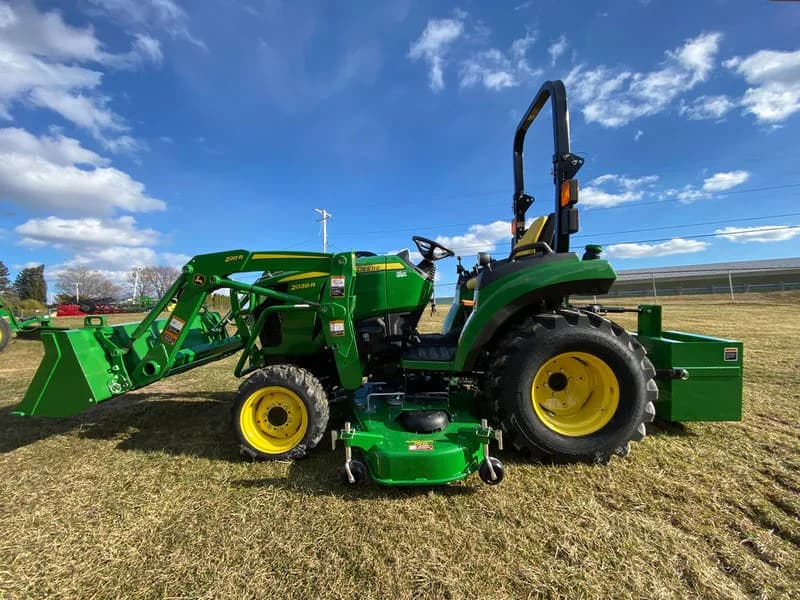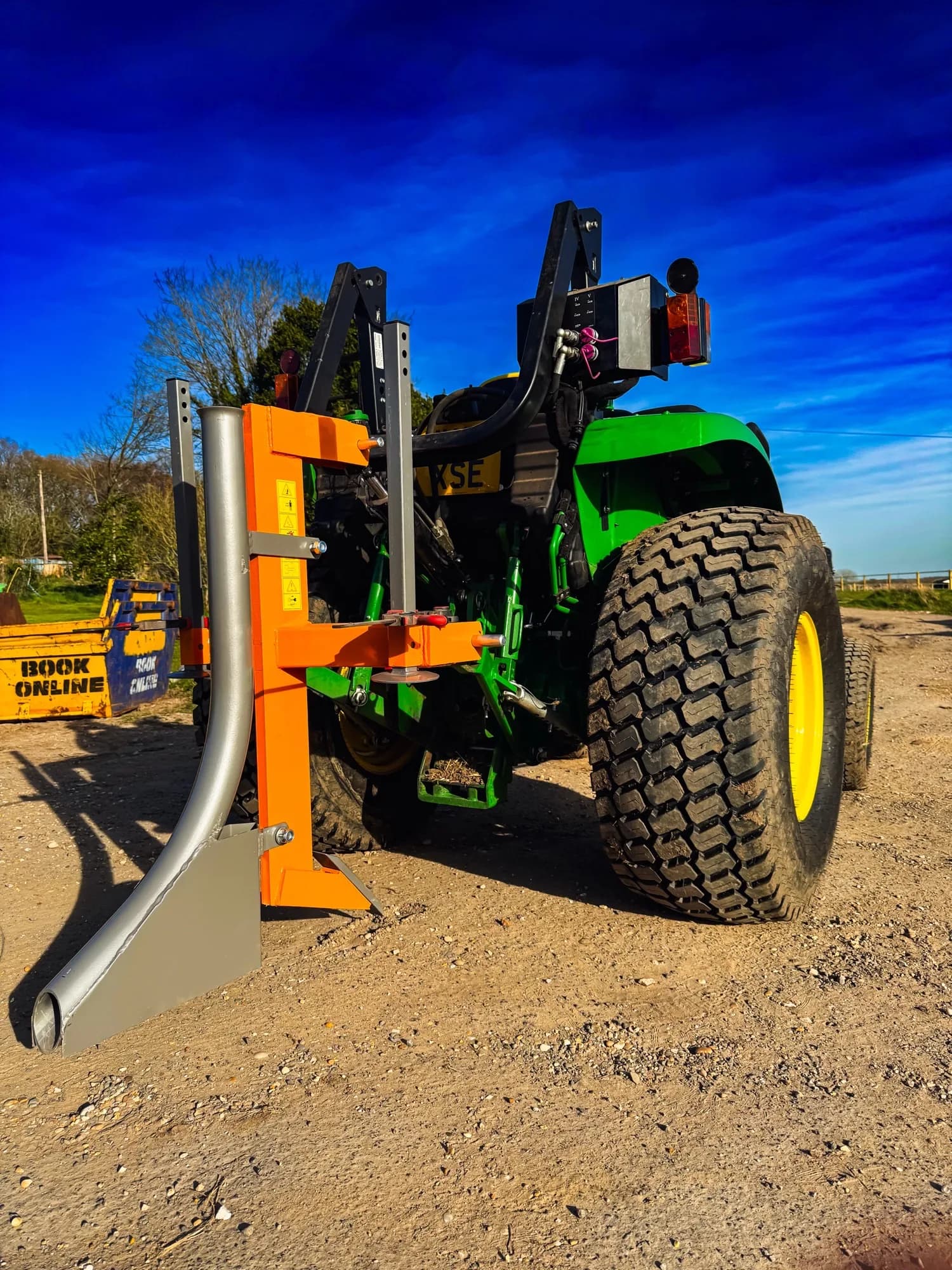
Effective land drainage is essential for maintaining healthy soil and preventing waterlogging in agricultural and landscaping applications. One of the most efficient tools for installing drainage pipes is the Deleks mole plough. This high-performance attachment is designed to create deep, narrow channels for laying pipes with minimal ground disturbance. In this article, we’ll explore how to use a Deleks mole plough for laying drainage pipes, its benefits, and some key considerations to keep in mind.
At Hampshire paddock management, one of our specialities is effective land drainage. In these times, in the UK rain is ubiquitous and unfortunately, unavoidable. However, the associated ruts, mud and swamps are very much avoidable! With our powerful compact tractors we can get into any area and lay upto 70mm drainage pipe to ensure your fields are kept dry all year round. Pricing is from around £70ph + VAT and with a full drainage system possible to install within a few days, a very affordable, and importantly, permanent system to keep your paddocks draining and dry regardless of the UK’s fantastic weather!
What is a Deleks Mole Plough?
A mole plough is a specialized implement used for creating subsurface channels to improve drainage. The Deleks mole plough is a high-quality, robust piece of equipment that attaches to tractors via a three-point linkage system. It features a strong, narrow blade and a bullet-shaped tip (or mole) that forms a compacted channel through the soil.
Benefits of Using a Deleks Mole Plough for Drainage Pipe Installation
- Efficiency – A mole plough significantly reduces the time and labor required for laying drainage pipes compared to manual digging or trenching.
- Minimal Ground Disturbance – Unlike traditional trenching methods, the mole plough disturbs only a small section of soil, preserving the surrounding landscape.
- Cost-Effective – Reducing the need for extensive excavation and labor makes mole ploughing a budget-friendly option for installing drainage systems.
- Improved Drainage Performance – The compacted channel created by the plough allows water to flow efficiently through the drainage pipes, preventing waterlogging.
Step-by-Step Guide to Laying Drainage Pipes with a Deleks Mole Plough
1. Prepare the Area
Before using the mole plough, assess the site and plan the drainage layout. Identify low-lying areas where water accumulates and determine the best drainage route.
2. Attach the Mole Plough to Your Tractor
Secure the Deleks mole plough to your tractor’s three-point linkage system. Adjust the depth settings based on the required pipe placement, ensuring it aligns with your drainage plan.
3. Mark the Drainage Path
Use stakes or markers to outline the drainage route. This ensures accuracy and prevents unnecessary deviations.
4. Operate the Mole Plough
Slowly drive the tractor along the marked path while lowering the mole plough into the soil. The blade will create a channel, while the bullet-shaped tip compacts the sides to form a durable tunnel.
5. Insert the Drainage Pipe
Once the channel is created, carefully place the drainage pipe into the opening. Some models of mole ploughs come with a pipe-laying attachment to make this process even easier.
6. Backfill and Compact the Soil
After laying the pipe, lightly compact the soil over the channel to ensure stability while allowing water to flow freely through the pipe.
Key Considerations for Effective Drainage Installation
- Soil Type – Mole ploughing is most effective in clay or heavy soils where the compacted tunnel remains stable.
- Plough Depth – Ensure the plough is set to the correct depth to prevent the pipe from being too shallow or too deep.
- Pipe Selection – Choose high-quality perforated drainage pipes that efficiently carry water away from problem areas.
- Maintenance – Regularly inspect the drainage system to ensure it remains free of obstructions.
Using a Deleks mole plough for laying drainage pipes is an excellent way to enhance land drainage efficiency while minimizing labor and ground disruption. By following the right steps and considering key factors like soil type and pipe depth, you can create a durable and effective drainage system. Whether you’re an agricultural professional or a landowner looking to improve soil conditions, the Deleks mole plough is a valuable tool for effective water management.
Mole Ploughing or Pipe Laying — Which Does a Wet Field Need?
They solve the same problem at different price points. Mole ploughing pulls a bullet-shaped foot through the subsoil to form an unlined drainage channel — quick, cheap per acre, and very effective in clay ground, but the channels gradually close and the job wants repeating every five years or so. Pipe laying puts perforated land drain into a trench with permeable backfill: a much bigger job, but a permanent one, and the right call for gateways, gathering areas and fields where moling has stopped holding.
In practice the two work together — mole channels run across the field and discharge into a piped main or open ditch. If your field is turning into a swamp after rain, we can look at the ground and tell you honestly whether a mole pass is enough or whether a section needs pipe. Our mole ploughing and drainage service covers Hampshire and the surrounding counties.