Soil that’s too compacted can bring your fieldwork to a standstill. Whether you’re prepping a plot for grass, forage, or crops, field rotavating becomes a real struggle when the ground is hard and tight. Blades might skip across the surface, dig unevenly, or simply refuse to break through. It also risks damaging your equipment, especially if you try to push through without checking soil condition first.
In places like Hampshire, where land varies from heavy clay patches to lighter loams, understanding your soil is just as important as knowing what you plan to grow. Compacted soil doesn’t just delay your plans. It affects long-term productivity too. Roots can’t spread easily, water doesn’t soak in properly, and oxygen levels drop below the surface. That puts extra stress on plants from the start.
If you’re seeing poor drainage, stunted growth, or run-off after rain, your soil could be too compacted for a successful rotavate. Tackling this early avoids bigger issues later and gives your field the structure it needs to thrive.
Identifying Soil Compaction
Before rushing into any kind of treatment, take some time to check whether soil compaction is really the problem. It’s not always obvious just by looking at the surface. A field might appear normal, but once you dig in, you could hit a dense, crusted layer not far beneath. This compacted zone usually forms from heavy traffic, repeated machine use, or livestock walking the same route over and over.
Here are some telltale signs that your soil may be compacted:
- Water pooling in low spots after light rain
- Grass or crops growing unevenly across the field
- Hardpan layers just below the surface that resist a spade or fork
- Surface cracking during warmer weather followed by slow recovery after rain
A quick field test can help confirm your suspicion. Push a metal rod, screwdriver, or soil penetrometer into the ground in several places. If you meet firm resistance at the same depth each time, it likely means there’s a compacted layer. You can also check how the soil breaks apart. Healthy soil usually crumbles slightly when you squeeze it in your hand. Compacted soil clumps tightly or breaks in slabs.
Visual checks count too. During drier months, compacted areas often turn pale or patchy. In wetter spells, they remain soggy well after the rest of the field starts drying out. Problem areas include tractor routes, gateways, and spaces around water troughs, where pressure builds up more than anywhere else.
If you’ve found signs like these, it’s time to take steps to get your land back into shape.
Immediate Steps to Alleviate Compaction
Once you’ve confirmed the soil is compacted, avoid forcing any machinery over it. That can make things worse. In Hampshire, where fields deal with mixed use from livestock and machinery, giving the soil time to breathe can make all the difference.
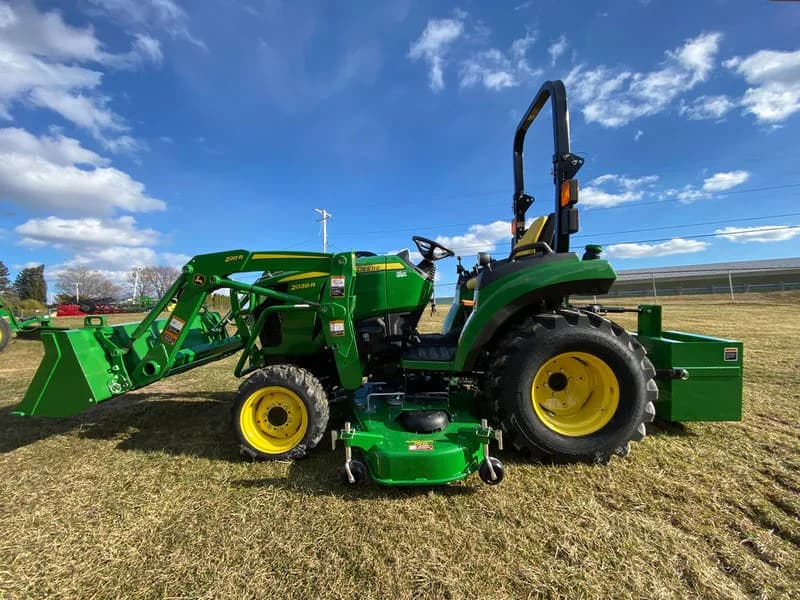
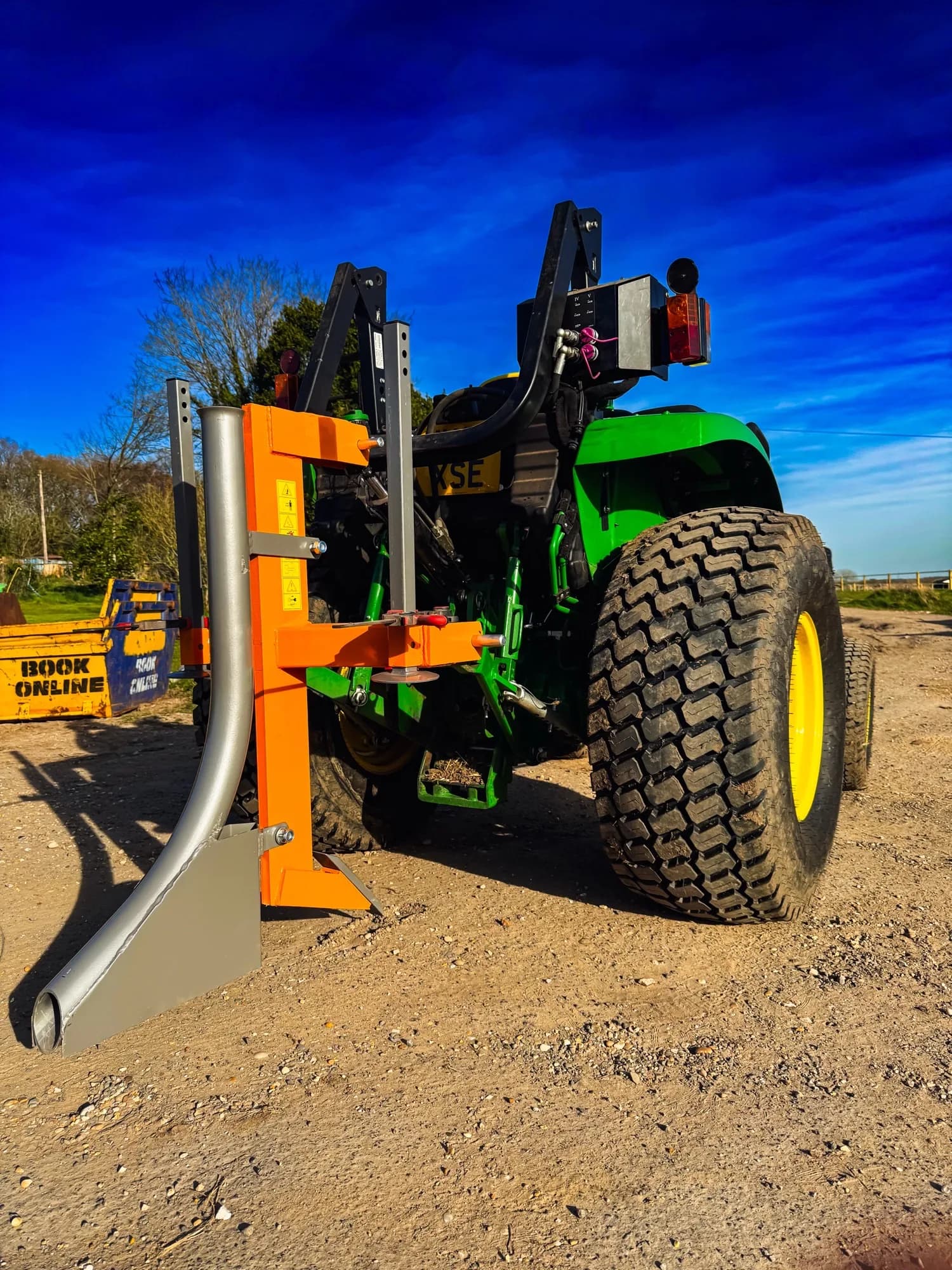
One of the most helpful approaches is mechanical aeration. This helps break apart the hardened layers so air, water, and nutrients can start moving again. Tools like deep tines or slitters are worth using near gateways or water troughs. For larger paddocks, grassland subsoilers can loosen deeper soils without flipping the surface layer.
Adding organic matter is another simple fix. Farmyard manure, compost, and well-rotted animal bedding all help break up the soil, feeding microbes that slowly create better structure. This top layer preparation pays off when it’s time to get the rotavator back out.
If you’re working with smaller paddocks or tight-access fields in Hampshire, the choice of equipment matters. Here are a few tips:
- Use lighter equipment following rainfall to avoid compacting the soil further
- Choose low ground pressure tyres for vehicles in sensitive or worn zones
- Only use flat roller aerators once the top layer has loosened
- Rest overused sections of field by keeping livestock away for a while
Doing this groundwork early helps your machinery run efficiently and safely when rotavating begins.
Long-Term Solutions For Healthy Soil
Soil compaction doesn’t happen in a day, and it won’t fix itself after one pass with a tine or aerator. Creating good soil isn’t about a single solution. It’s about steady, thoughtful changes that work with how your land is used.
Repeated pressure is the top reason compaction develops. Whether it’s machinery or livestock, too much weight in one spot compresses the soil below. That’s why good habits go a long way. These ideas are easy to apply across different soil types in Hampshire:
- Rotate grazing and resting areas for livestock so foot traffic spreads out
- Move machinery access points occasionally to keep tracks from forming
- Change the location of troughs and feeders each season
Some landowners also overseed with deep-rooted grazing plants. Chicory, sanfoin, and other mixed ley options naturally open up the soil as the roots drive downward and break up the hardened layers.
Routine checks help monitor trouble spots early. After heavy rainfall, walk the area to see if water sits in one place longer than others. Take note of worn paths or compacted corners that aren’t recovering as quickly. Knowing these pressure points helps shape field use in the months ahead.
Thinking long-term gets you ahead of compaction instead of constantly chasing fixes once problems show up.
Preparing For Rotavating In Compact Soil
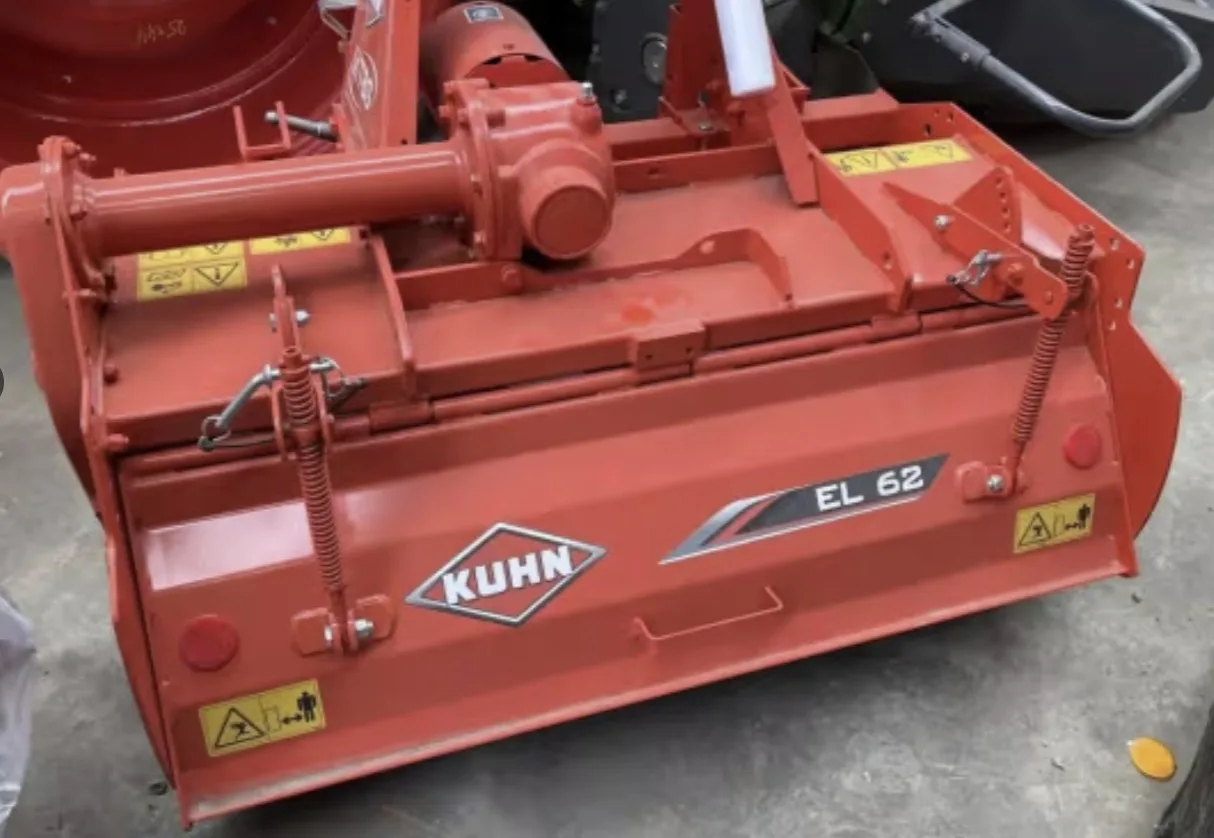
After loosening the soil and giving it a chance to recover, you’re in a better place to rotavate. But the next step depends a lot on timing. Soil moisture makes or breaks the process. Dry soil will turn powdery and skip under the rotavator. Wet soil smears and compacts again, undoing everything you’ve just managed to improve.
In Hampshire, mid to late summer often lines up with good field conditions. Before jumping in, do a spade test. If the soil crumbles when squeezed and doesn’t fall apart or clog the tool, chances are the moisture is correct.
Keep your machinery speed low, especially on the first pass. If the field has had stubborn areas, it might help to complete a shallow rotavate first. Let it settle for a week or two, then go back in for a deeper job. Trying to do it all in one round can leave the field uneven.
Large fields or trickier conditions might be more work than expected. Having expert help means tasks are done with the right tools and handled in the right order. That improves results and saves time too, especially when local knowledge plays a role in choosing when and how to start.
Your Soil Needs Consistent Care
Soil compaction doesn’t take a break. It might come back after heavy traffic or poor seasons. That’s why it makes sense to see field care as something steady and ongoing.
If you treat the ground as something you check on regularly and respond to early, the bigger issues can be avoided. That means better drainage patterns, stronger root systems, and less effort trying to fix what went wrong after the fact.
Rotavating works best when the soil is ready below the surface. Once your field is open, airy, and holding structure well, rotavators do the job more evenly. You’ll end up with finer breakdown, smoother layers, and an easier time seeding or prepping for new growth.
Keep checking in on your field, one step at a time. Consistent care now sets things up for easier rotavating and stronger soil performance in the future. Ready to transform your compacted fields into thriving, productive land? Discover how Hampshire Paddock Management can support your land with expert field rotavating. Our hands-on experience and reliable solutions are designed to bring your soil back to life and keep your field in top shape. Reach out to us for personalised support tailored to your land’s