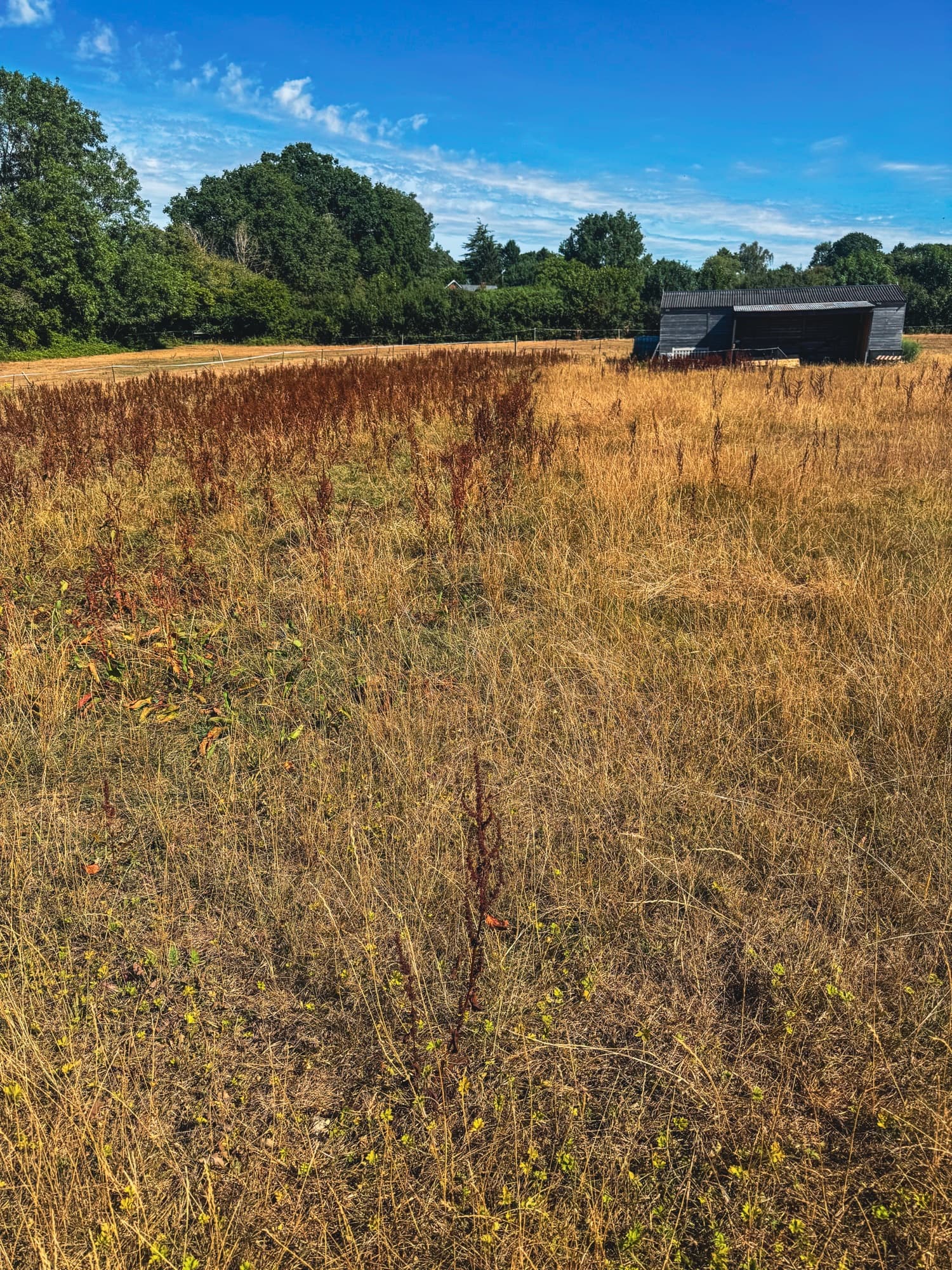
A paddock might look fine at a glance, but over time it can start to show signs that it’s struggling beneath the hooves. Harrowing helps keep pasture healthy by breaking up compacted soil, spreading natural fertiliser, and removing weeds. If left too long without this kind of care, your field can become uneven, overrun with tough weeds, and less useful for grazing.
June is a perfect time to take stock of your field’s condition. After a long spring of grazing and unpredictable weather, your pasture might be showing some signs of wear. Whether you’re managing a small holding or simply looking after a few horses, recognising the early warnings can help save time and money later on. Here are five clear signs your field may need professional harrowing treatment.
Spotting Early Signs Of Field Fatigue
Your field goes through a lot during the grazing season. Hooves, heavy rainfall, and plant growth all put pressure on the soil. One of the first signs that your field is getting tired is compaction. It’s not always obvious, but if you notice water pooling or grass growth slowing down, the structure under the surface may be too packed for air and nutrients to get through properly.
Another early signal is patchy regrowth. After moving your horses off a pasture, the grass should bounce back fairly quickly during the warmer months. If only some areas recover while others remain sparse or bare, something’s not right underground. Compacted soil struggles to support strong regrowth because the roots can’t spread properly.
These warning signs can build slowly, especially on fields used often. Making a habit of walking across the pasture regularly helps you spot trouble before it spreads. Here’s what to look out for:
- Firm areas where the soil has lost its bounce
- Dark green patches followed by light, struggling grass
- Wheel tracks from vehicles still visible days after rain
- Pools of standing water after a light shower
- A surprising amount of bare spots after rest periods
Leaving these early signs unaddressed can lead to bigger issues like drainage failure and weed spread. A consistent field harrowing service can help break up the soil structure where needed, allowing air, water, and nutrients to move again. It sets the stage for fresher, stronger grass that grows evenly across your paddock.
Weed Invasion And Uneven Growth
Weeds love unbalanced fields. Once bare patches appear, it doesn’t take long for thistles, docks, and nettles to move in. These unwanted plants crowd out useful grass and often go untouched by grazing animals. Not only are they harder to manage once established, but they also draw nutrients away from the areas that need it most.
Spotting uneven growth patterns can be just as telling. If your field has healthy, full patches alongside sparse or weedy areas, it’s a sign that the soil is mixed in quality. Livestock tend to overgraze the good bits, putting pressure on already thin spots and creating a cycle that’s hard to break. That’s when harrowing becomes a useful way to reset the field’s balance.
By breaking up surface weeds and loosening compacted soil, harrowing improves contact between soil and seed, helping grass regrow more evenly. It also clips off the tops of smaller weeds before they mature, stopping them from spreading as fast.
When you’re walking your field, look for these signs:
- Clusters of weeds forming in previously clear areas
- Short grass in some parts, with long or wiry growth elsewhere
- Livestock avoiding or ignoring specific zones
- Visible lines where growth changes sharply from good to poor
Weeds aren’t just an eyesore. They reduce grazing value and reflect early-stage field decline. Addressing uneven growth and weed spread through timed harrowing treatments can make a noticeable difference in your field’s look and function.
Water Pooling And Drainage Issues
When water sticks around longer than it should, that’s a big hint something’s wrong underground. After an average summer shower, your field should soak up water fast and dry out fairly evenly. But if you’re noticing puddles hanging around or soggy patches that stay wet long after the rest of the field has dried, there’s likely a drainage issue caused by compacted soil.
Poor drainage does more than inconvenience your livestock. It limits air movement in the soil, drowns grass roots, and invites unwanted plants that thrive in heavy, wet conditions. You’ll often find that these wet patches end up ruined by traffic, especially from horses or vehicles, which only makes the problem worse.
Harrowing helps by breaking up the top layer of compacted ground, which allows water to pass through more freely. Smoother surfaces also help stop water from collecting in ruts and hoof prints. It’s worth paying attention to areas that stay soft or look muddy, especially during a dry spell, as this shows water isn’t moving the way it should.
To check drainage in your field:
- Look for water sitting in low spots more than 24 hours after rainfall
- Test surface softness by walking across the field after a dry day
- Watch how fast water disappears from hoof or vehicle impressions
- Note any spots where grass seems constantly waterlogged or struggling
If your field has one or more of these signs, harrowing could be a solid step toward reclaiming better drainage and healthier growth.
Horse Hoof Damage And Compaction
Horses are tough on ground. Their hooves pack a punch, especially when the soil is even slightly wet. Over time, this repetitive pressure turns pasture into a hard, uneven surface. You might notice that grass vanishes on frequently used paths, and these areas harden into compacted strips that resist regrowth.
The more compacted your field becomes, the worse the grazing experience is for horses. The grass can’t get the air it needs underneath, so it grows weak and sparse or not at all. Compaction also makes it harder for natural fertiliser and rainwater to mix into the soil properly, which slows everything down.
You can often spot hoof compaction by watching where your horses prefer to graze. Horses will avoid patches that are too hard or bare. It’s also easy to see hoof prints that stay visible longer than they should, even in dry weather. Harrowing breaks up those top layers, loosens packed-in soil, and gives fresh grass a better chance to take hold again.
If you notice these signs, it’s time to take action:
- Well-trodden tracks with little to no grass
- Shallow, dry hoof marks that remain after several days
- Compact, brick-like soil texture when you dig gently with a spade
- Horses avoiding certain sections of the field consistently
When your grazing area turns from soft earth into compact clay, your options shrink. Fixing it early with a regular harrowing plan keeps the field healthy and helps your horses move and feed the way they’re supposed to.
Poor Horse Nutrition From Low-Quality Pasture
If your horses are starting to nibble more and get less from it, it might be time to look at the pasture itself. Poor soil health, compaction, and weed takeover all lead to thin grass that doesn’t carry the nutrition your herd needs. Even if they’re out on the field all day, they might not be getting enough good forage.
One of the clearest signs of poor-quality pasture is an overgrazed look, where the top layer of grass disappears quickly and doesn’t come back strong. If it feels like you’re working too hard to rotate the field and still not getting a proper regrowth, the field might need help from the roots up.
Harrowing supports better grass development by fixing uneven surfaces, fighting compaction, and improving seed-to-soil contact. The more evenly your field grows, the easier it is to manage rest periods between grazing. This helps keep grass levels stable and nutritious, avoiding the rollercoaster of sudden drop-offs in pasture quality.
Here are a few signs to keep in mind:
- Horses losing interest in areas they used to graze
- Overgrazed spots failing to bounce back, even with rainfall
- Dull, yellowing grass with thin coverage across large patches
- Needing to supplement feed more often despite daily grazing
Addressing poor pasture quality at the soil level often makes a real difference to your horses’ health and cuts down on the need for extra feeding.
Keep Your Field One Step Ahead
A healthy paddock is more than just green grass. If compaction, weeds, drainage issues, and patchy regrowth are starting to pop up, it’s worth stepping back and looking at the bigger picture. Spotting these five warning signs early helps preserve your pasture, supports your horses, and saves you work down the road.
Once the field starts showing gaps or changes in growth, it won’t fix itself. Treatments like harrowing fit perfectly into a maintenance plan that works with the natural grazing cycle and makes your land more productive over time. It’s less about reacting to damage and more about staying one step ahead. A well-cared-for field gives back by staying strong through the seasons and offering better forage when your animals need it most. Ready to give your pasture the care it deserves? Strengthen your paddock’s condition and restore healthy growth with a professional field harrowing service. Trust Hampshire Paddock Management to keep your land in top shape for reliable grazing year round
How Paddock Harrowing Works and What It Actually Does
Paddock harrowing — sometimes called grass harrowing or chain harrowing — is a mechanical grooming pass that pulls a set of tines or a chain-link mat across the surface of the field. The tines rake out dead thatch and moss, break up dung piles so they dry and stop harbouring worms, level minor hoof poaching, and lightly scratch the soil surface so light, air and rain can reach the crowns of the grass. Done at the right time, it wakes the sward up and encourages fresh tillering without the cost or disruption of reseeding.
On a typical horse paddock we harrow in spring once the ground has firmed up and again after topping through the season. Heavy, matted paddocks may need two passes at right angles to lift the thatch properly. Wet or frosted ground gets left alone — harrowing sodden fields smears the surface and does more harm than good.
How to Harrow a Field: Passes, Direction and Ground Conditions
Harrowing a field well is mostly about conditions and direction rather than kit. Wait until the surface is firm enough to carry the tractor without leaving ruts but still has some moisture in it — in Hampshire that usually means a dry spell in spring once growth has started, or early autumn after the summer grazing. Frozen, waterlogged or baked-hard ground is a day to leave it alone.
We work a paddock in two passes at an angle to each other. The first pass pulls out dead thatch and moss, lifts flattened grass and breaks up dung piles; the second, crossing the first, spreads that material thinly so it dries out and the sward underneath gets light and air. A chain harrow has an aggressive side and a flat side — tines down for a field that is matted or poached, flat side up for a light tidy that levels shallow hoof marks. Rest the paddock for a few weeks before the horses go back on, and roll afterwards if the surface has been lifted.
For the reasons the job matters in the first place, read why paddock harrowing is one of the most important jobs for healthy horse grazing. If you would rather it was done for you, our paddock harrowing service covers Hampshire and the surrounding counties.
Common Questions About Paddock Harrowing
What is paddock harrowing?
Dragging a set of tines or a chain harrow across the field to pull out dead grass and moss, spread dung, level light hoof damage and let air and light reach the base of the sward. It's a low-cost way to freshen up a paddock without reseeding.
How often should a paddock be harrowed?
For most horse paddocks in Hampshire, twice a year is a sensible baseline — once in spring as growth starts, and again in late summer or early autumn. Heavily grazed or thatchy paddocks may benefit from an extra pass after topping.
When should you not harrow a paddock?
Avoid harrowing when the ground is waterlogged, frozen or bone dry and hard. Wet ground smears rather than scratches, and hard ground just bounces the tines. Wait for a spell where the surface is moist but firm underfoot.
Does harrowing help with worm control?
Harrowing breaks dung piles apart and spreads them thinly so they dry out in sun and wind, which reduces the survival of worm larvae on the pasture. It works best in hot, dry weather and is not a replacement for a proper worming programme, but it's a useful part of paddock hygiene.
Do I need to roll after harrowing?
Often yes. Harrowing lifts and disturbs the surface, and rolling afterwards presses the sward back into contact with the soil, firms up any small divots and improves the finish. If you're overseeding, rolling after harrowing is particularly important for seed-to-soil contact.
If the signs above look familiar, our paddock harrowing service covers Hampshire and the surrounding counties — or read up on when to harrow paddocks and pairing it with rolling afterwards to firm the surface back down.