Hampshire has a character of its own when it comes to maintaining land, and paddocks are no exception. From the gently rolling downs to fertile river valleys, the county’s patchwork of landscapes creates a setting that’s not only rich in history but also shaped by nature in unique ways. These local features aren’t just interesting on a map. They have a real impact on how paddocks behave, how animals interact with the land, and how well that land serves its purpose all year round.
While paddocks might seem similar from one region to the next, Hampshire’s land tells a different story. Regional soil types, weather patterns and land use histories all play a part in making paddock maintenance in Hampshire a task that benefits from local know-how. What works well elsewhere may fall short unless it’s done with this area in mind. That’s what sets Hampshire apart. The land demands a thoughtful, region-specific approach to paddock care, and that’s exactly what Hampshire Paddock Management delivers.
Unique Soil Composition in Hampshire
Soil isn’t just dirt. It’s where everything starts. Whether it’s grass growth, drainage, nutrient levels, or how happily your animals graze, it all comes back to soil. Hampshire is home to several different types, and each one comes with its own set of challenges.
Throughout the county, landowners work with:
1. Chalk soils, particularly on the South Downs. These drain well but can dry out quickly during hot, dry months.
2. Heavy clay soils, usually found in low-lying areas. These are moisture-retentive, but they compact easily and become waterlogged in winter.
3. Sandy loam, more common near river valleys. These feel light underfoot and retain moderate moisture levels, making them easier to manage in drier seasons.
Knowing which type of soil you’re working with makes a big difference in how you manage the paddock. Chalky soil might seem ideal during a rainy period, but in the summer, it can cause trouble if the grass burns out from lack of moisture. Clay soil can be great for holding feed value, but turns a field into a bog if left unmanaged in wet months.
There are some practical things landowners can do to work with the soil they have:
- Aerate compacted clay soils on a regular basis to help improve structure and drainage.
- Add organic matter or compost to sandy soils to improve moisture retention and nutrient content.
- Keep a close eye on pH levels in chalk-heavy paddocks and adjust where needed to keep grass varieties thriving.
- Shift grazing cycles more frequently on heavier soils to prevent overuse and preserve regrowth potential.
By understanding the type of soil present and adjusting how the paddock is used and maintained, Hampshire landowners can keep their land in better condition and avoid long-lasting damage.
Climate and Its Effects on Paddock Health
Hampshire tends to see a mild and mostly wet climate compared to other parts of the UK. While that might sound idyllic, local weather changes put constant pressure on paddocks. Spring brings much-needed growth, but repeated rainfall in autumn and winter can mean flooded areas and trampled surfaces.
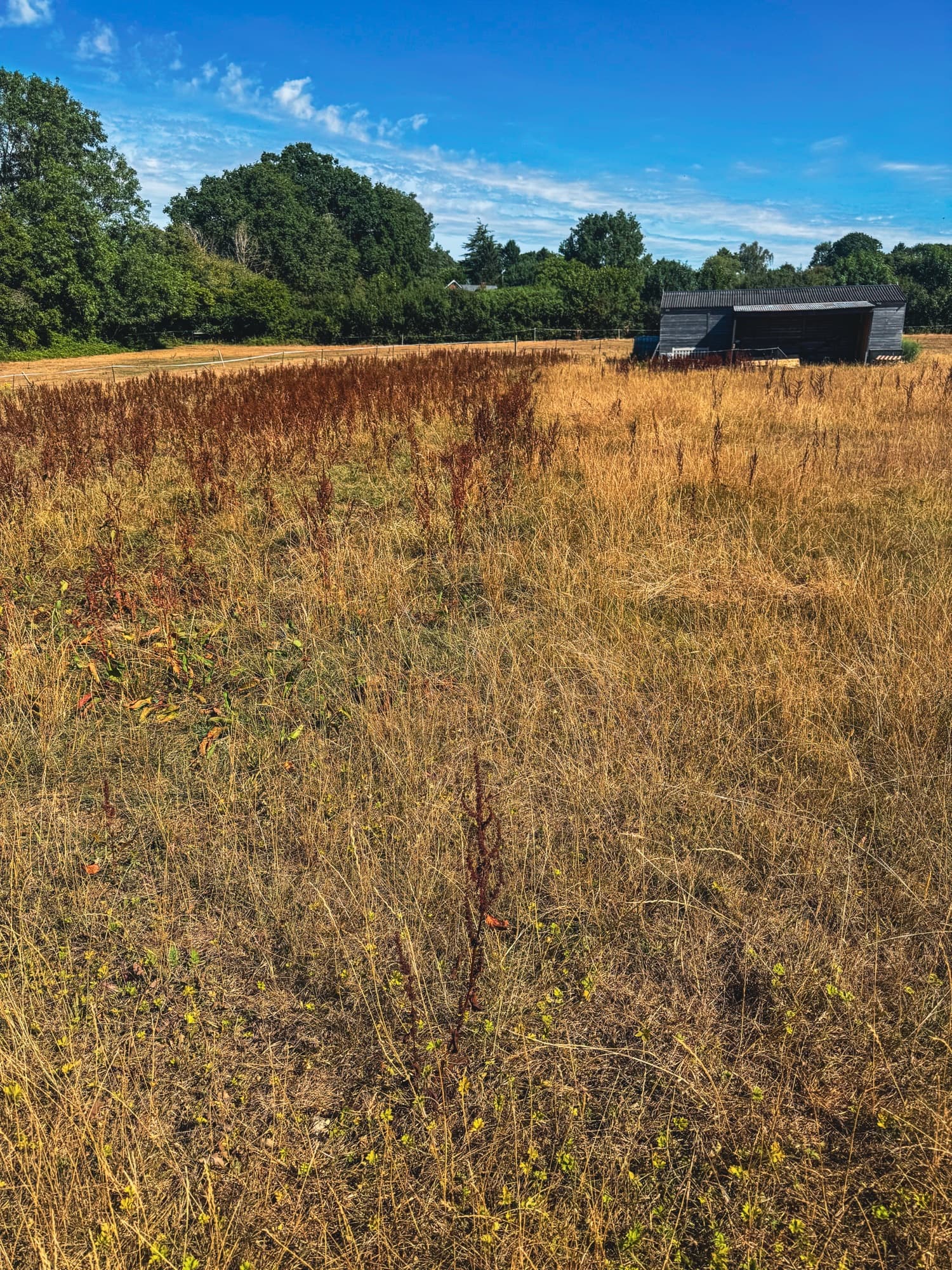
Summers are unpredictable. Some years bring balanced sunshine and rain. Others swing toward dry spells that hit chalk paddocks hardest, stressing the ground and reducing grazing quality. Winter brings shorter days and long wet stretches that saturate clay soils, making them prone to compaction and damage from hooved livestock.
Here are a few ways to handle these seasonal challenges:
- Rotate paddock use so wet areas get a recovery period and avoid heavy foot traffic in winter.
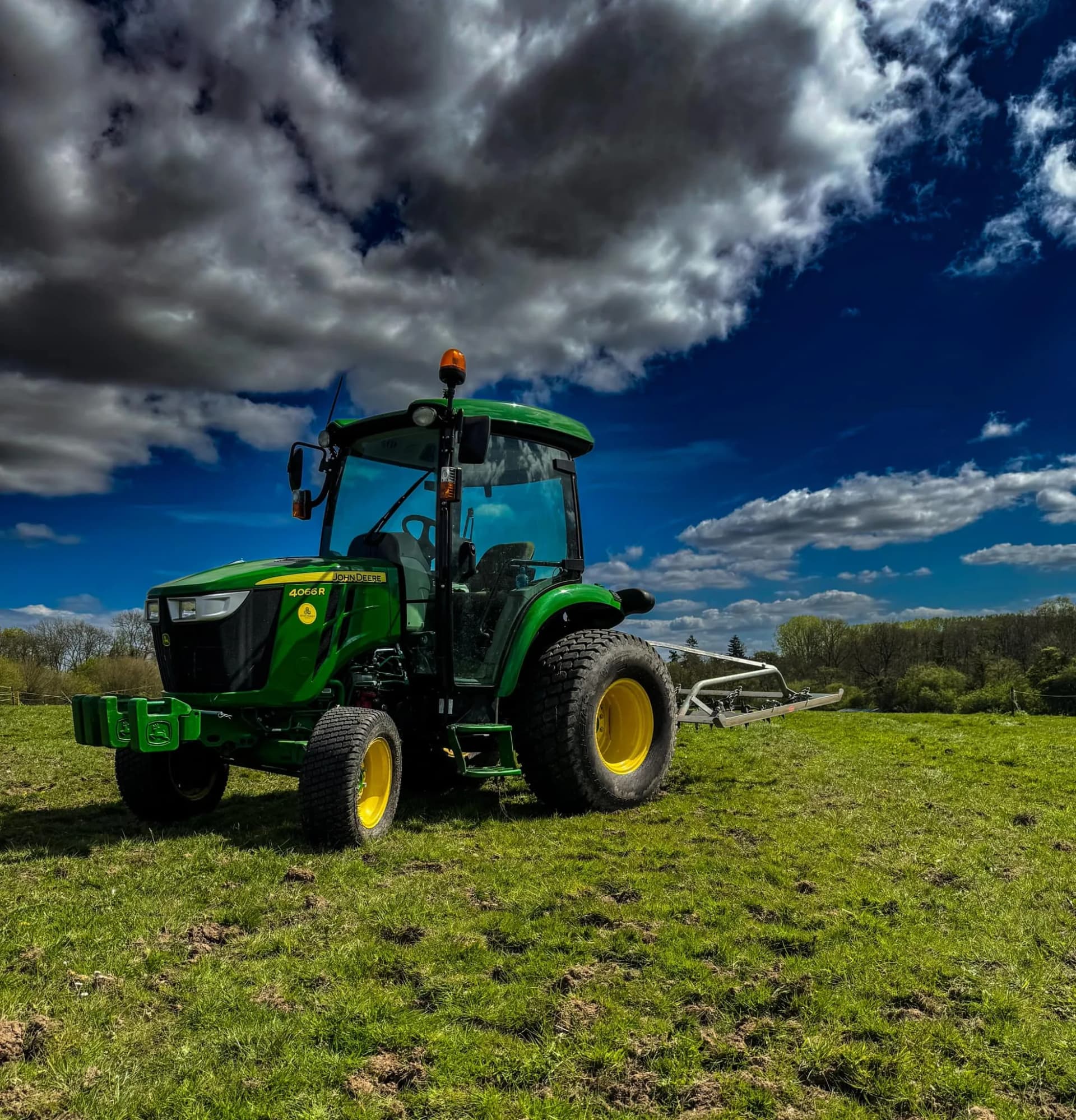
- Plan in advance for rolling and harrowing when weather breaks allow surface repairs.
- Avoid placing too many animals on soft ground, as they’ll churn the soil and create erosion problems.
- Set up sturdy shelters or give livestock access to dry areas during rainy periods.
Adapting to the weather isn’t optional, especially if you want to reduce weed issues, promote healthy plant growth, and keep animals out of trouble. Long-term paddock health depends on syncing your maintenance with Hampshire’s seasonal patterns.
Biodiversity and Its Benefits
Hampshire’s paddocks are home to more than grass and animals. They’re ecosystems full of natural helpers. When left in balance, areas of native vegetation, grasses, birds, pollinators, and small mammals all work together to keep the land healthier and more productive.
This is especially visible around paddocks bordered by woodlands or old hedgerows. You might spot wildflowers in the grass margins or birds perched along post fences. These aren’t just scenery. Pollinators like bees and butterflies keep grass seed regeneration active, while birds manage insect populations. Even small insects aerate the soil or help break down organic material.
Keeping this diversity intact benefits the paddock in the long run. It means reduced reliance on chemical treatments, fewer weed invasions, and stronger root systems that resist drought and foot traffic. Livestock also tend to respond well to pastures with a mix of plant species.
Here are some everyday ways to encourage more biodiversity:
- Avoid cutting grass at the field edges to give insects and birds a habitat.
- Skip blanket herbicides that wipe out beneficial plants.
- Use diverse seed mixes instead of single-species grass types.
- Add native trees to the corners of a paddock to control wind, give shade, and support wildlife.
- Rotate fallow areas each year to let the soil rest and natural species restore themselves.
Farming with biodiversity in mind makes your job a little easier and a lot more sustainable in the years ahead.
Historical and Cultural Significance
Paddocks in Hampshire aren’t just functional spaces. Many of them represent how the area’s land was shaped over hundreds of years. These fields often reflect the ways people lived, farmed, and moved livestock across generations. Some original paddock boundaries are still visible today, built with natural features like hedge lines or old flint walls and worn-in field paths.
The way paddocks were once used can offer insight into how to manage them now. Fields with longer rest periods may perform better if historic grazing routines are respected. Others may drain better along old footpaths or channels that have been there longer than anyone can remember.
Even today, you’re likely to see traditional paddock layouts that reflect this continuity. The size, shape and fencing style of a paddock might still suit certain types of livestock better because of how the land naturally flows. Matching these rhythms often brings better grazing outcomes than starting over from scratch.
Some long-standing practices that still work today include:
- Grazing is based on a cycle that balances feed value with rest for proper regrowth.
- Respecting natural slope and drainage, rather than altering it and risking water pooling or erosion.
- Maintaining traditional boundaries like hedges and stone markers that offer both structure and added wildlife habitat.
- Avoiding field expansion into areas that were never meant to carry consistent livestock pressure.
By working with what’s already in place, you keep the land healthier and tap into generations of practical land use without the need for constant fixes.
Making the Most of Hampshire’s Paddock Qualities
No two paddocks in Hampshire are the same. The land is diverse, shaped by centuries of use and exposed to a wide range of conditions throughout the year. From dry chalky hillsides to flood-prone clays and wood-fringed lowlands, every paddock requires a specific touch. That’s where regional experience makes its mark.
Understanding the variations across Hampshire helps avoid repeat problems and creates smoother seasons for both landowners and livestock. By accounting for soil types, seasonal pressures and the area’s natural strengths, paddocks stay healthier and more useful all year.
Instead of applying general solutions that work elsewhere, Hampshire paddocks need a plan shaped by local insight. That’s what delivers stronger growth, fewer setbacks and fewer regrets. With a bit of smart planning and help from professionals who know the county’s land top to bottom, you can get more from your paddock season after season.
To keep your paddocks thriving across the unique landscapes of Hampshire, it’s worth exploring solutions that suit the land’s natural rhythm. Let Hampshire Paddock Management support your paddock maintenance in Hampshire so your field stays healthy, productive, and ready for the seasons ahead.