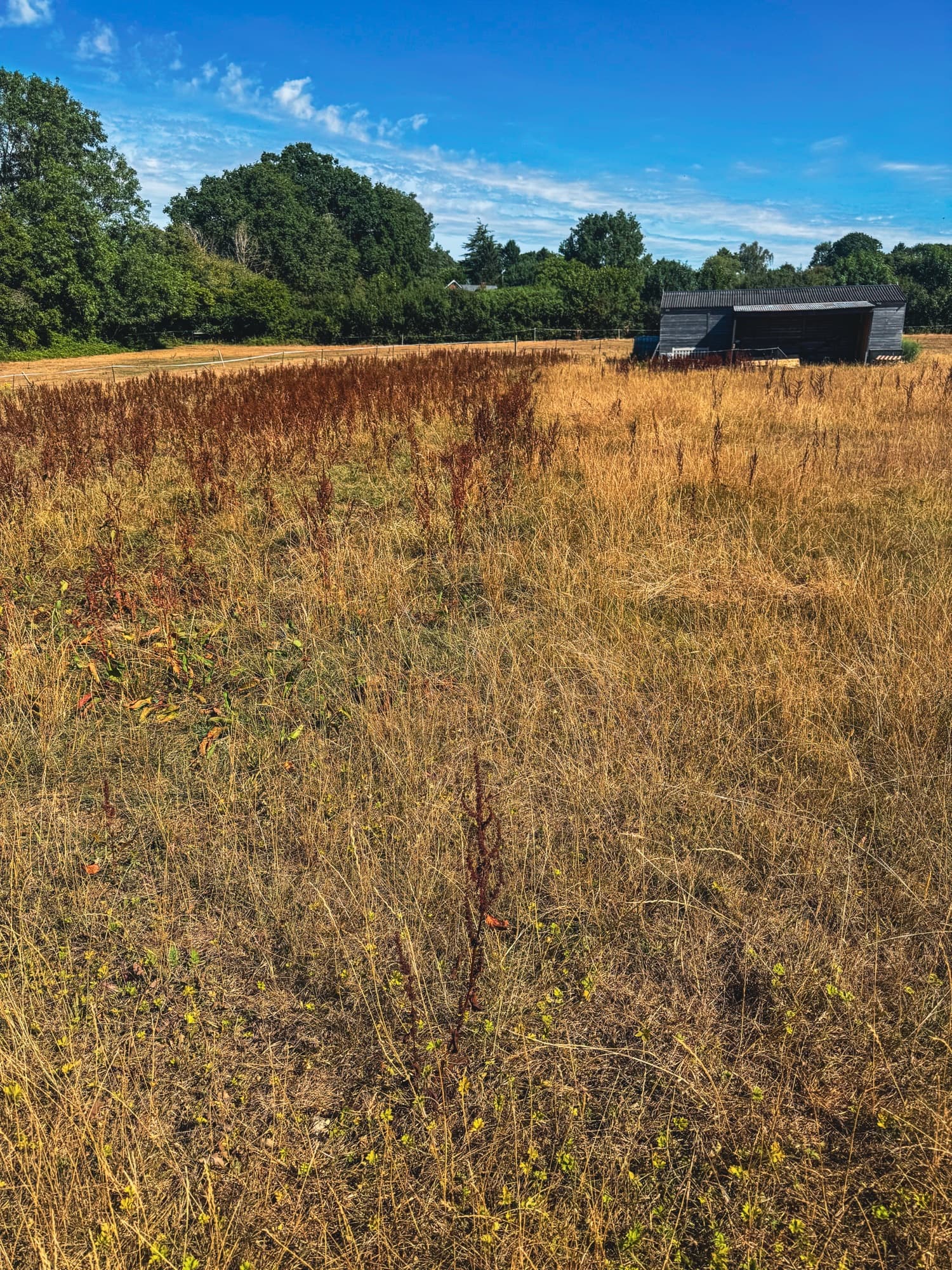
Discover how to tackle soil aeration issues and enhance land productivity. Explore soil aeration services with Hampshire Paddock Management
Soil does a lot more than just hold plants in place. It’s a living system made up of air pockets, microorganisms, minerals, and organic matter. When one of those parts isn’t working properly, things can start going downhill in quiet but frustrating ways. One of the most common issues landowners in Hampshire run into is soil compaction, which directly affects how much air can move through the ground.
Good soil needs air. Without it, the ground tightens up, roots struggle to grow, water doesn’t drain properly, and nutrients can’t get where they need to be. It’s not always obvious straight away, but the lack of air in soil slowly eats away at its ability to support strong plant growth or healthy pasture. By understanding how soil aeration actually works and what happens when it’s poor, you’ll be in a better spot to take care of your land and spot issues early.
Understanding Soil Aeration And Its Importance
Soil aeration is about making sure air can flow freely through the layers of soil. This oxygen exchange is what helps roots breathe and supports all those underground organisms that are working hard to keep the soil balanced. When soil is loose and airy, it allows roots to spread out, water to filter through, and nutrients to move where they’re needed most.
But when the ground becomes hard or compacted, all of that starts to slow down. Water gets trapped near the surface, roots grow shallow or twist awkwardly, and the biology underground starts to shift in the wrong direction. Over time, this leads to stunted plant growth, more weeds, and a big decline in overall soil health.
Here’s why aeration really matters for your land:
- It improves drainage, helping avoid waterlogging after heavy rainfall
- It increases nutrient exchange, giving crops and grasses what they need to grow properly
- It helps roots stretch deeper, making plants more resilient against heat or drought
- It keeps microorganisms active, which plays a major role in breaking down organic matter
Think of soil aeration like air in your lungs. No air means no energy, and everything gets sluggish. Same with your land. You don’t always see compacted layers right away, but the damage builds slowly with things like heavy foot traffic, livestock activity, or repeated machinery use. Once compaction sets in, the ground starts working against you.
Signs Your Soil Might Lack Aeration
Even though soil compaction can go unnoticed at first, the signs eventually start to show. Plants don’t grow quite as strong as they should. Rainwater might sit in certain patches long after the clouds clear. Or parts of your paddock may begin to look bare or patchy, with lighter grass or weeds taking over.
Here are some signs that may mean your soil is struggling to breathe:
1. Water pooling or slow drainage after rain
2. Hard, dry soil on top, even after recent showers
3. Patchy or thin vegetation across what should be consistent ground
4. Growing areas where roots don’t penetrate more than a few inches deep
5. More compacted areas along walking paths, gate entrances, or stock feeding zones
Compacted soil changes how water and air move through the land. It doesn’t just affect one part, it eventually influences the health of the whole paddock. Even livestock may be impacted, as poor footing in waterlogged areas can lead to foot problems.
A landowner in Hampshire recently noticed rain pooling along the low corners of their grazing fields. At first, it looked minor. But after walking the area, it was clear the ground was hard-packed and no longer allowing water to pass through like it used to. The fix wasn’t an overnight job, but some targeted aeration and reworking the layout started turning things around within a couple of weeks.
When you know what to look for, it’s much easier to act before things spiral. Getting ahead of compacted soil can spare a lot of struggles later on, both for your land and the animals that rely on it.
Effects Of Poor Soil Aeration
When soil can’t breathe properly, the impact spreads far beyond just a few weak plants. Over time, compacted, air-starved soil affects every part of your land’s performance. Crops don’t develop as they should, paddocks wear thin, and grazing areas lose value. For growing anything like grass, hay, or seasonal feed, aeration plays a big part in keeping things balanced.
Roots are one of the first areas to suffer. Without enough oxygen reaching them, roots can decay or fail to develop deeply. This leaves plants more exposed during dry spells and makes them less likely to bounce back after heavy use from livestock or machinery. Poor root zones also mean nutrients are taken up less efficiently, even if you’re applying fertiliser regularly. Everything feels like more effort and less reward.
Another issue that shows up with time is soil erosion. Compacted soil doesn’t absorb water properly, so rain tends to run across the surface instead of sinking in. This leads to bare patches, washing away topsoil that took years to build. When that happens, the land becomes harder to recover and more reactive to shifts in weather.
Pasture quality suffers too. Even with regular rotation, compacted areas will struggle to regrow fast enough to support livestock over longer periods. This often shows up in uneven grazing, mud patches by autumn, or animals avoiding certain areas altogether.
A farmer near Alton shared how spots near the hedgelines were staying wet and weedy long after the rest of the field dried out. It turned out these areas weren’t draining due to compact layers under the surface. Once those zones were opened up with proper aeration, healthy grass started returning a few weeks later.
Solutions For Soil Aeration Issues
Fixing poor aeration usually means breaking up compact layers and making space for air and water to return. How you do that depends on land use, soil type, and the kind of compaction you’re dealing with.
Here are some common tools and methods used:
- Slitting uses blades to slice open the surface, improving airflow
- Spiking drives holes deep into the soil to relieve deep compaction
- Subsoiling breaks up harder layers deeper underfoot, good for heavy clay or older compaction
- Chain harrowing is often used alongside other methods to even things out and spread manure or plant matter
In Hampshire, clay-heavy areas often resist basic treatments, especially later in the year once the ground has hardened. That’s where more targeted work like subsoiling or deep spiking can make a noticeable difference. For lighter soils or spring maintenance, a surface-level treatment might be all that’s needed to help roots and drainage recover.
To keep soil breathing well:
- Avoid driving heavy vehicles over wet ground
- Rotate grazing to reduce soil stress from hoof traffic
- Monitor paddock corners and gate areas closely, since those tend to compact fastest
- Use the right treatment for your soil type and current condition
Improving aeration doesn’t always mean starting from scratch. Many times, it’s about regular upkeep and choosing solutions that match the needs of your land at the right time of year.
Why Professional Soil Aeration Services Matter
Although soil looks simple from the surface, everything happening underneath it is layered and reactive. Professional aeration isn’t just about using the right machine, it’s about knowing where, when, and how deep to go to get lasting results without damaging other parts of your paddock.
Experienced soil services start by checking compaction levels and identifying trouble spots. It’s not just a blanket treatment. Some areas may need deeper work, while others just need a refresh to stay productive. They also factor in things like slope, drainage direction, and livestock footprint, which can all affect how air and water move through your land.
Aeration isn’t something you’ll need every month, but leaving it until major problems show up can cost you more time and recovery later. With Hampshire’s mix of clay and loam soils, timing and method have a big effect on the result. A job done too early or too shallow might make barely any change.
If your land isn’t growing like it used to or drainage has started lagging after years of traffic, it’s worth having someone take a close look. Professional work tends to focus on restoring long-term soil structure, not just a quick pass over the surface. And once your soil has been opened back up, your land can return the favour by giving you better growth, healthier grazing, and fewer headaches through the year.
Your land deserves the best care to thrive through every season. Understanding the benefits of proper soil aeration is the first step to a healthy paddock. Explore our comprehensive range of solutions, including soil aeration services, delivered by the team at Hampshire Paddock Management. We’re here to help your soil stay healthy and your land perform at its best long term.