Maintaining a paddock takes more than just keeping the grass trimmed. Whether you’re using it for livestock or simply want it to stay healthy year-round, the condition of your paddock can have a real impact on its long-term usability. For landowners in Hampshire, keeping an eye on the signs of wear and damage is especially important during the autumn months, when the weather starts to turn and the demands on the ground begin to shift. The wet and cooler months ahead can make existing issues worse if they’re not sorted in time.
Sometimes it’s clear when your paddock needs attention, but smaller warning signs can be easy to miss. Waiting until the ground is completely unmanageable tends to make the job harder and more expensive to fix down the line. Spotting early changes can help you know when basic maintenance just isn’t enough and it’s time to bring in those with the tools and experience to get it back on track.
Signs Your Paddock Needs Professional Maintenance
Even a well-used paddock can start showing signs of trouble. It might not always be obvious, but there are a few things to look out for that point to deeper problems.
1. Poor Grass Regrowth
When grass struggles to grow back after grazing or cutting, it’s often due to compacted soil or a nutrient imbalance. Paddocks need healthy root systems, and when grass keeps coming in patchy or thin, that’s a red flag. High-traffic areas, like gates or water troughs, might show this most, but if the issue spreads across the field, it often means the problem is in the soil itself.
2. Soil Erosion and Bare Patches
Sloped parts of your paddock or areas with heavy movement might have patches where the topsoil is wearing away. This can affect drainage and make the ground uneven or slippery in wet conditions. Once the soil starts breaking down, regrowth becomes harder and the field loses its use more quickly.
3. Weed Infestation
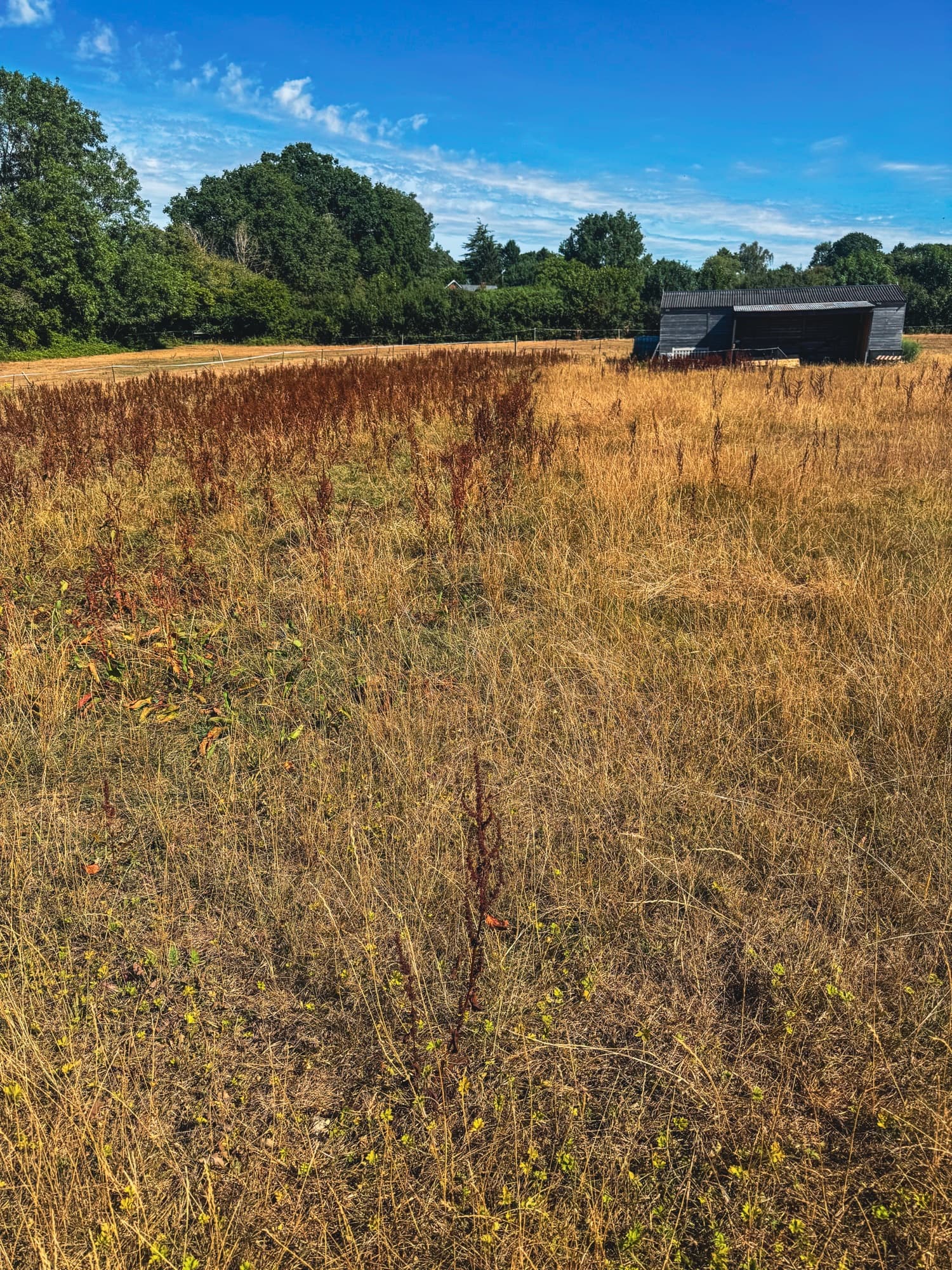
A few weeds are normal, but when they begin to outnumber the grass, it’s time to flag it. Nettles, docks or thistles are strong competitors and will rob the soil of nutrients your pasture needs. Left unmanaged, they take over and change the makeup of the field entirely, leaving less value for animals and more work for you.
4. Compacted Ground
Heavy foot traffic or machine use can compress the soil, stopping water, air and nutrients from moving freely underground. This often shows up as standing water after rainfall or unusually hard ground even after wet weather. Compacted ground leads to poor drainage, waterlogging and stunted grass that struggles to grow properly.
If you notice one or more of these issues and they keep recurring even after routine upkeep, professional help may be worth considering. These aren’t just surface signs. They usually point to bigger issues happening underneath that need more than a quick fix.
Benefits of Professional Paddock Maintenance Services
Getting regular help from professionals who know how to handle land means your paddock has a better chance of staying healthy season after season. More than just a fresh cut or a basic check, full paddock maintenance focuses on what really matters, especially when small problems have been left too long.
Better grass growth is one of the biggest wins. When the soil gets the attention it needs, you’ll start to see fuller and healthier grass. This gives livestock better grazing and helps your paddock bounce back faster between uses. New grass can take hold more easily and crowd out weeds when there’s healthy soil underneath.
Soil improvement is another big benefit. Professionals might carry out detailed checks to find out what nutrients are missing. Then, they take action by adjusting fertiliser levels, improving drainage or reshaping areas where water keeps collecting. This results in better soil structure, making the paddock easier and less stressful to manage year after year.
Weed control is typically more focused too. Instead of just mowing everything down, professionals aim to remove aggressive or deep-rooted weeds from the start. This lets the plants you want thrive while making it harder for unwanted ones to come back.
Upfront costs may feel tricky at first, but long-term care usually means you’ll avoid the kind of large-scale fixes that hit both your calendar and your wallet hard. Ongoing paddock maintenance often leads to steady improvements, fewer issues and better outcomes for both you and your animals.
Why Choose Hampshire Paddock Management
Every paddock is different, and Hampshire brings its own mix of conditions. From clay-rich soil to wet autumns and cold snaps, local weather places plenty of extra pressure on outdoor land. Getting help from people who know how to deal with these conditions can make a real difference in how fast and how well your paddock recovers.
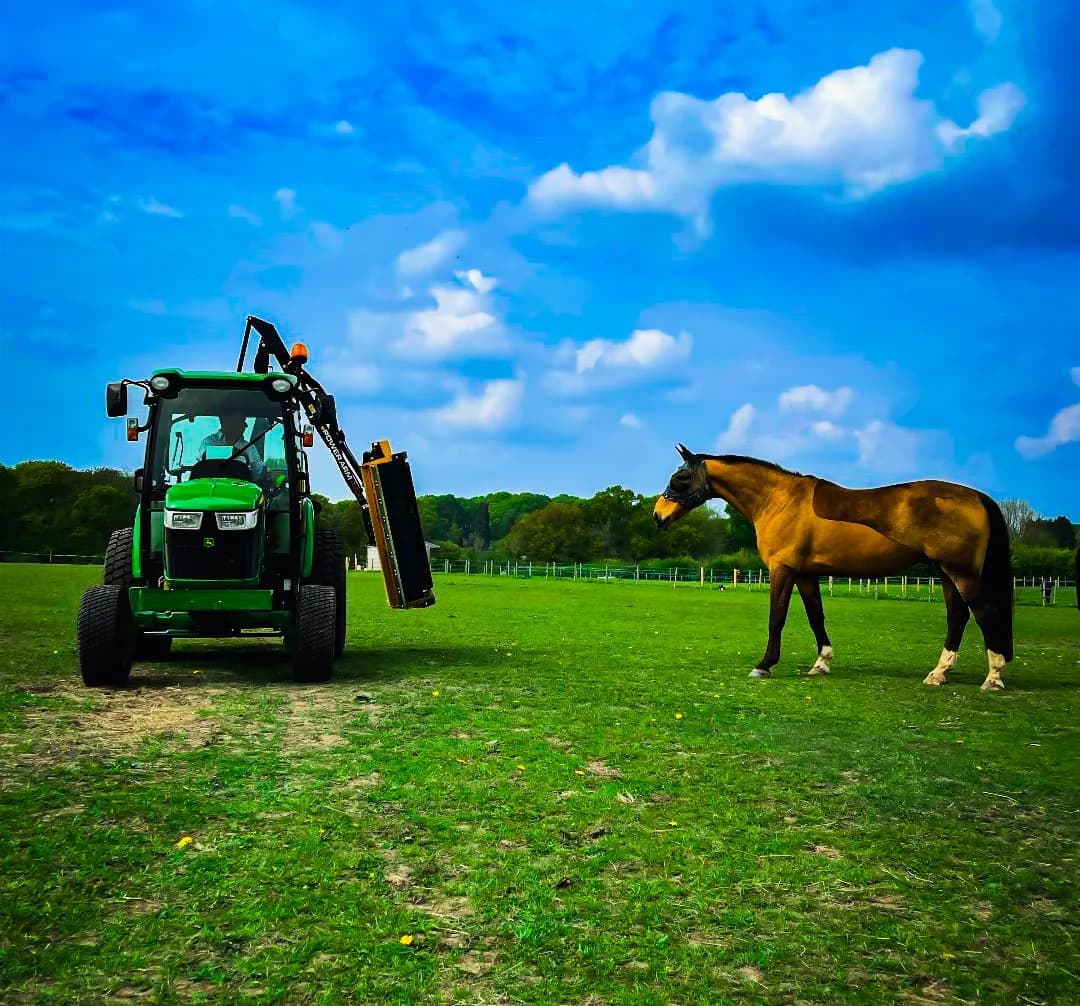
We use specialist tools and top-range machinery to make paddock work accurate and efficient. Whether it’s harrowing, seeding or aerating, our equipment gets the job done quickly and effectively. It’s especially useful for small holdings or oddly shaped paddocks where generic tools often fall short.
Our team takes time to understand what your paddock is used for before deciding on the right approach. Whether you’re caring for horses, sheep, or just managing grassland around your small holding, this makes our service more fitting for your needs. Some paddocks need lots of mowing and grazing control, while others benefit more from resting or replanting. We keep these details in mind so the focus stays on the land’s long-term strength, not just a temporary improvement.
Getting Ready for Autumn: What to Know
By the time November arrives, the drop in temperature and extra moisture begin to push paddocks in Hampshire even harder. Grass slows down and recovery takes longer. This is why autumn is an ideal time to act. Tackling damage now can save you time and stress once spring returns.
Here are some key jobs to help get things in order:
- Take care of compacted soil: Aeration helps rain soak in properly and gives roots better access to oxygen.
- Top up bare spots: Overseeding thin areas now gives grass enough time to settle before it kicks into growth mode in spring.
- Manage muck: Heavy rain and livestock movement can leave paddocks in a mess. Clearing it out now keeps things cleaner and prevents long-term soil damage.
- Keep weeds under control: Growth might slow, but it’s wise to cut down weeds before the cold really sets in.
- Check your gates and paths: These areas wear down fast and are simpler to fix before the weather freezes or floods them.
Timing counts. Booking your autumn maintenance before heavy frosts hit means there’s still time to take meaningful action. Softer soil and available daylight make repairs easier, safer and more effective than trying to catch up mid-winter.
Your Paddock Deserves the Right Help
Giving your paddock the care it needs at the right moment can make all the difference as the seasons change. If you’re already spotting bare patches, weed overgrowth or standing water, that’s your land’s way of telling you it needs more support.
Paddocks don’t self-repair. With expert attention, quality equipment and a smart maintenance plan, there’s a real chance to turn things around before problems get worse. Have a look at the ground today. If the signs are there, acting now could save you a lot of effort in the future.
If you’re looking to keep your paddock in great shape through every season, our tailored paddock maintenance services are designed to give your land exactly what it needs. Hampshire Paddock Management is here to support you with reliable care that saves you time and keeps your space working as it should. Reach out to see how we can help with your land’s specific needs.
Not sure which of these jobs your land actually needs? Our paddock maintenance guide walks through the full list, the seasonal schedule and how we price it.