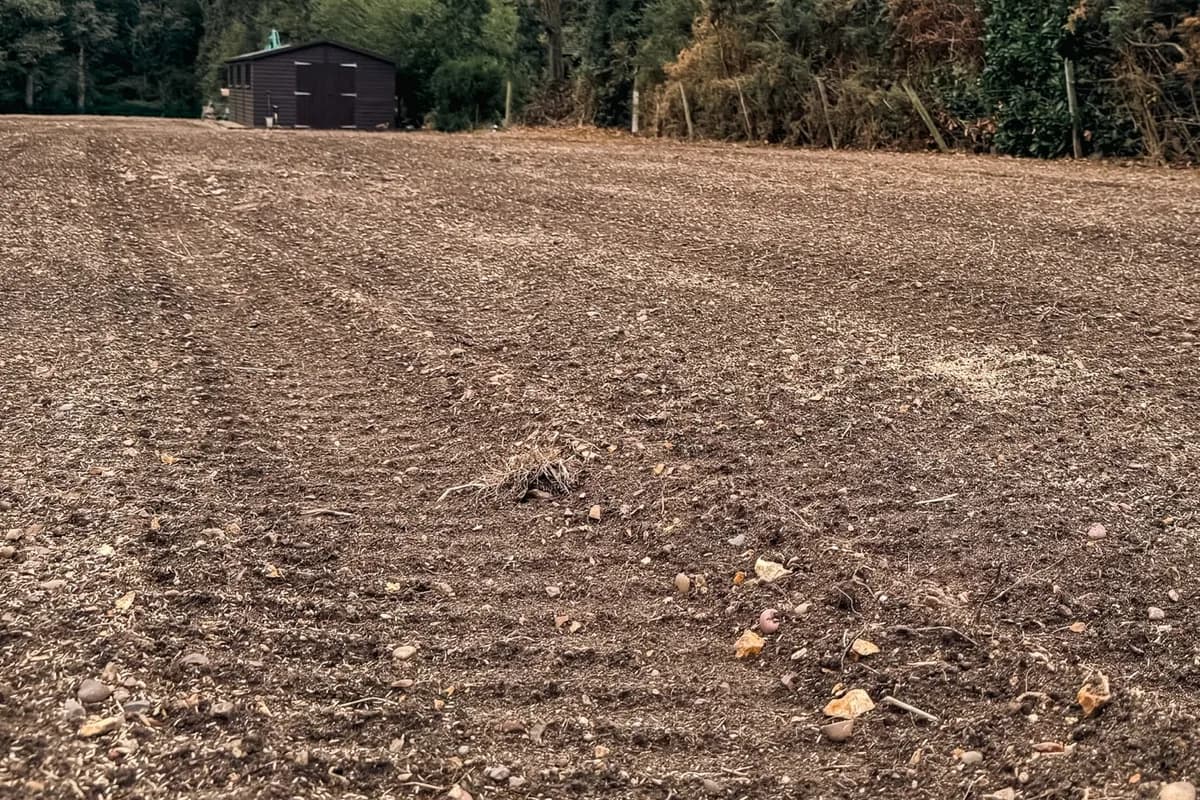
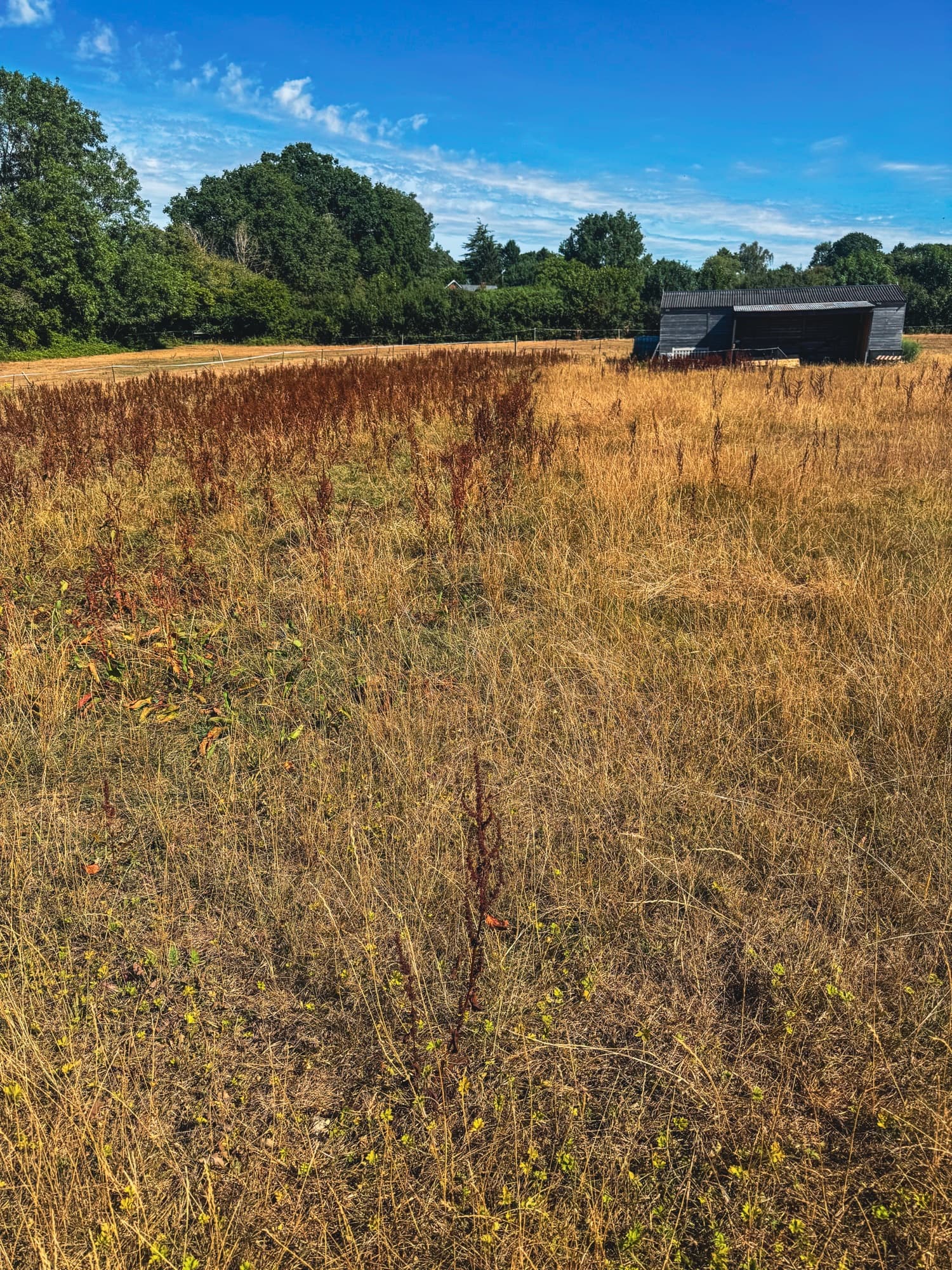
Stone burying is an effective method of preparing stony ground for agricultural use, creating a cleaner, smoother seedbed while improving the conditions for crop establishment. Using a stone burier, farmers and landowners can bury surface stones beneath a layer of finer soil, helping to create a more workable surface for planting, seeding and other agricultural operations.
Whether you are preparing land for grass reseeding, establishing a new crop or improving a field that contains a large number of stones, a stone burier can be a valuable piece of machinery.
What Is Stone Burying?
Stone burying is a ground preparation technique that involves working the soil and moving stones away from the surface, burying them beneath a layer of finer soil. Rather than removing every stone from the field, the process redistributes the stones within the soil profile to create a cleaner working surface.
This is particularly useful on stony ground, where surface stones can interfere with cultivation, damage machinery and make it more difficult to establish an even seedbed.
A stone burier is designed specifically for this task, combining soil cultivation and stone burial in a single operation.
How Does a Stone Burier Work?
A stone burier typically uses a powered rotor fitted with cultivating tines to break up and work the soil. As the machine moves forward, it processes the ground and helps direct stones and larger material beneath the surface.
A screening or soil-deflecting mechanism, depending on the machine design, helps separate finer soil from larger stones. The stones are buried deeper in the cultivated layer, while finer soil is brought towards the surface. A rear levelling roller or finishing component then helps consolidate and level the ground.
The result is a more uniform surface with fewer stones exposed, providing a better foundation for subsequent agricultural operations.
The exact process varies depending on the design of the stone burier, the depth of cultivation and the condition of the soil.
The Benefits of Using a Stone Burier
1. Creating a Cleaner Seedbed
One of the main advantages of stone burying is the ability to produce a cleaner, more even seedbed. By reducing the number of stones at the surface, the machine helps create better conditions for sowing seeds and establishing crops or grass.
A smoother seedbed can also make subsequent machinery operations easier and more consistent.
2. Improving Ground Preparation
Stony fields can be difficult to cultivate, particularly when stones are spread throughout the working layer. A stone burier works the soil while repositioning stones beneath the surface, helping to prepare the ground for the next stage of cultivation.
This can be particularly beneficial when preparing land for grassland renovation, horticultural use or other applications that require a fine soil finish.
3. Reducing Surface Stone Interference
Surface stones can cause problems during mowing, harvesting and other field operations. They can also make it harder to achieve a consistent finish when preparing land.
Burying stones beneath the surface reduces their immediate interference with machinery and helps create a more manageable working area.
However, stones may gradually reappear through further cultivation, frost action or natural soil movement, particularly in heavily stony ground.
4. Combining Operations
Depending on the machine and the ground conditions, stone burying can combine several preparation tasks into one pass. These may include cultivating the soil, burying stones, breaking down clods and levelling the surface.
Reducing the number of passes can save time, reduce labour requirements and help limit unnecessary traffic across the field.
5. Preparing Land for Grass Reseeding
Stone burying can be particularly useful when preparing ground for grass reseeding. A reasonably fine, level and firm seedbed helps grass seed make good contact with the soil, supporting more even germination and establishment.
The machine can be used as part of a wider reseeding programme, provided the soil conditions, working depth and final seedbed finish are suitable for the grass species being sown.
When Is the Best Time to Use a Stone Burier?
The best time to carry out stone burying depends on soil type, weather conditions and the intended use of the land.
Generally, the soil should be dry enough to work without smearing or compacting, but not so dry and hard that the machine struggles to penetrate the ground.
Working in excessively wet conditions can damage soil structure, cause compaction and produce a poor finish. On the other hand, very dry, compacted ground may require preliminary cultivation before the stone burier can operate effectively.
Before starting, assess the field for drainage issues, large embedded rocks, underground services and any other obstacles that could affect safe operation.
Tips for Getting the Best Results
To achieve a good finish when using a stone burier, it is important to match the machine settings and working method to the conditions in the field.
- Assess the ground first. Check the soil type, moisture level, stone distribution and existing surface conditions before beginning work.
- Set the correct working depth. The depth should be sufficient to bury the surface stones while maintaining a suitable soil structure for the intended crop.
- Adjust forward speed. Operating too quickly can reduce the quality of cultivation and levelling. Follow the manufacturer's recommendations and adjust speed to suit the ground.
- Avoid excessively wet soil. Wet conditions can lead to smearing, compaction and an uneven finish.
- Check the finished surface. Inspect the field after the first pass and make adjustments if stones remain exposed or the surface is too rough.
- Maintain the machinery. Regularly inspect the rotor, tines, guards, drive components and other wearing parts to ensure safe and efficient operation.
Always follow the manufacturer's operating instructions, particularly when setting the working depth and rotor speed.
Is a Stone Burier Suitable for Every Field?
Although stone burying is an effective solution for many stony fields, it is not suitable for every situation.
The performance of a stone burier depends on the size and quantity of the stones, the soil type, the depth of the stone layer and the machine's capabilities. Very large rocks or exceptionally stony ground may require mechanical stone removal or alternative land-clearing methods before a stone burier can be used effectively.
It is also important to consider the underlying soil structure. Burying stones does not remove them from the field, and excessive cultivation can damage soil structure or bring previously buried stones back to the surface.
For this reason, the best results are achieved by selecting the appropriate machine and working method for the specific conditions.
Stone Burying vs Stone Picking
Stone burying and stone picking both help manage stony ground, but they achieve different results.
Stone burying moves stones beneath the soil surface, leaving finer soil on top. This can be an efficient way to prepare a seedbed where removing every stone is unnecessary.
Stone picking, by comparison, physically collects and removes stones from the field. This may be more appropriate where large quantities of stones need to be taken away or where long-term surface stone reduction is the main objective.
The right approach depends on the intended land use, the type of stones present and the desired finish.
Conclusion
Stone burying is a practical and efficient way to improve the surface condition of stony agricultural land. By using a stone burier to cultivate the soil, bury stones and level the surface, farmers and landowners can create a more manageable seedbed for a range of agricultural applications.
With the right soil conditions, suitable machinery settings and careful operation, stone burying can reduce surface stone interference, improve seedbed preparation and potentially reduce the number of cultivation passes required.
For anyone looking to prepare stony ground for grass reseeding, crop establishment or general agricultural use, a stone burier can be a valuable tool in achieving a smoother, more workable finish.