One of our clients asked us to have a look at their horse walker, which had suddenly stopped working. Except it had not really been sudden. By their account it had been getting slower and slower over time until, one day, it just stopped.
That gradual slowdown is a useful clue. A walker that dies instantly usually points to an electrical fault. One that fades away over weeks or months is telling you something is wearing out. So we went through it step by step, starting with the simplest checks.
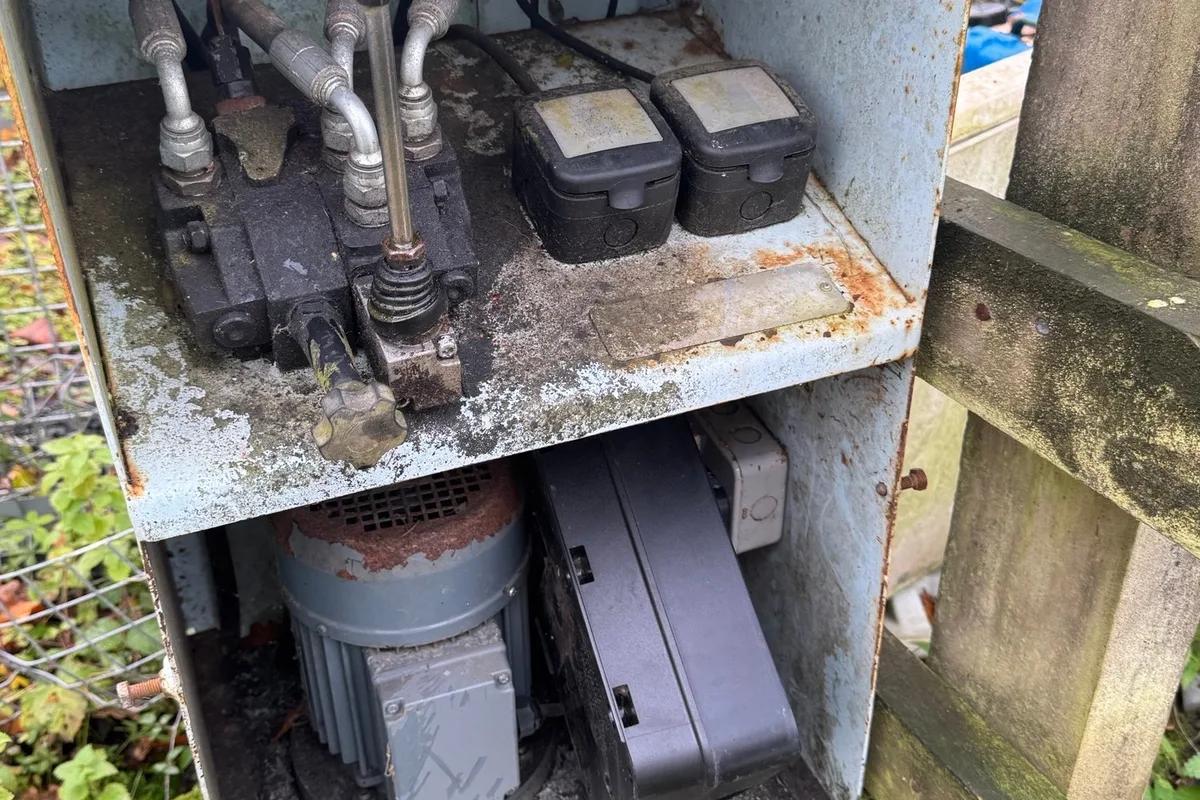
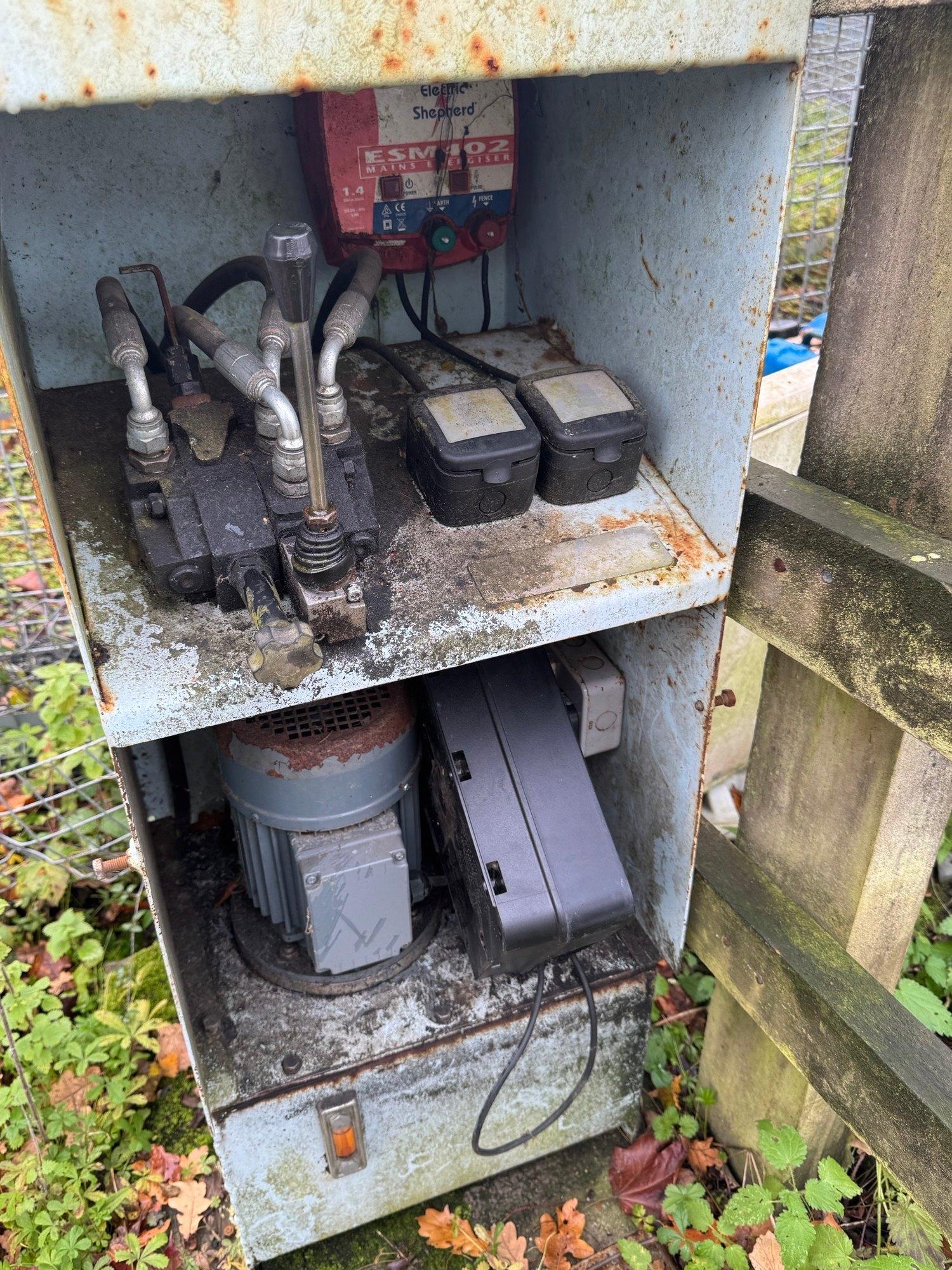
This walker is hydraulically driven. An electric motor in the bottom of the cabinet drives a hydraulic pump, which draws oil from the tank underneath. The pump feeds a control valve on the top shelf, and that sends oil out to drive the walker round.
Step One: Check the Motor and Capacitor
The first step was to rule out the electrical side. We checked the motor and its run capacitor, and both were running to standard.
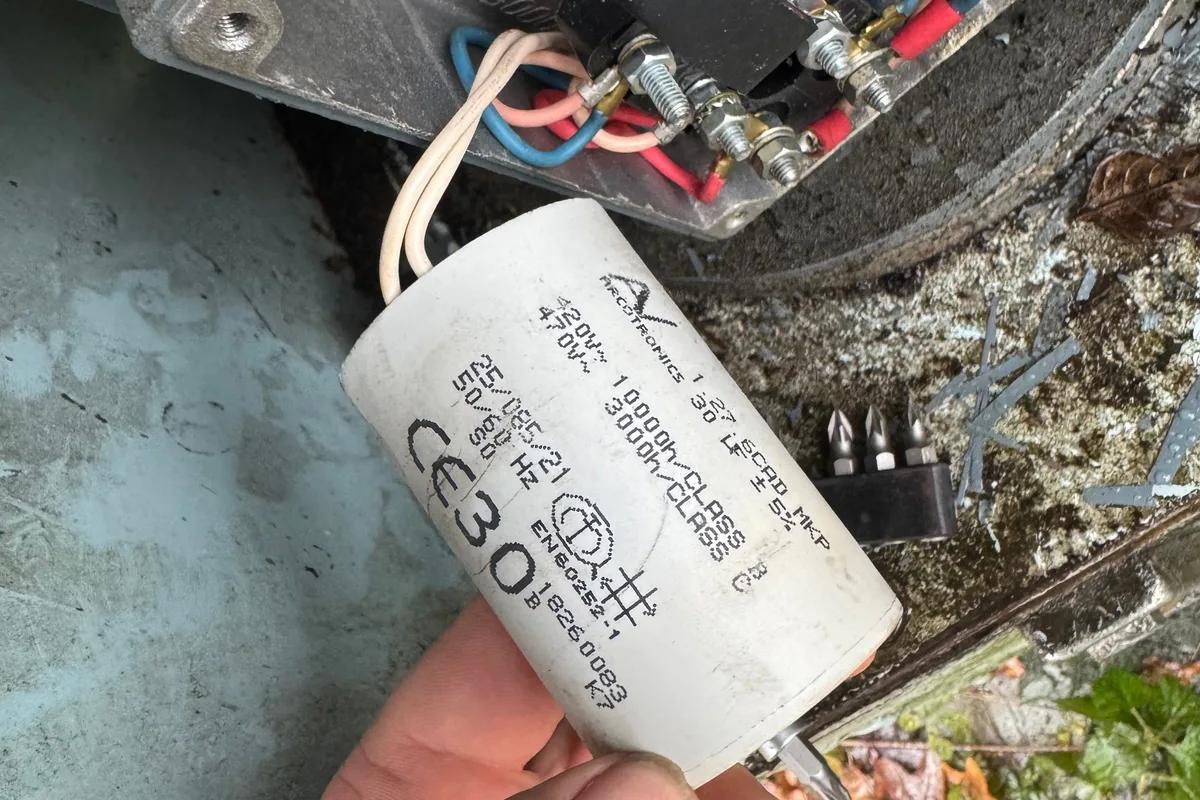
It is worth doing this first because it is quick, and a tired capacitor can make a single-phase motor sluggish. Here, though, the motor was doing its job. Whatever was wrong was further down the line.
Step Two: Add Hydraulic Test Points
Next we added hydraulic test points to the system so we could see what was actually going on inside it, rather than guessing.
The first test point told us most of what we needed to know: there was no pressure in the system at all.
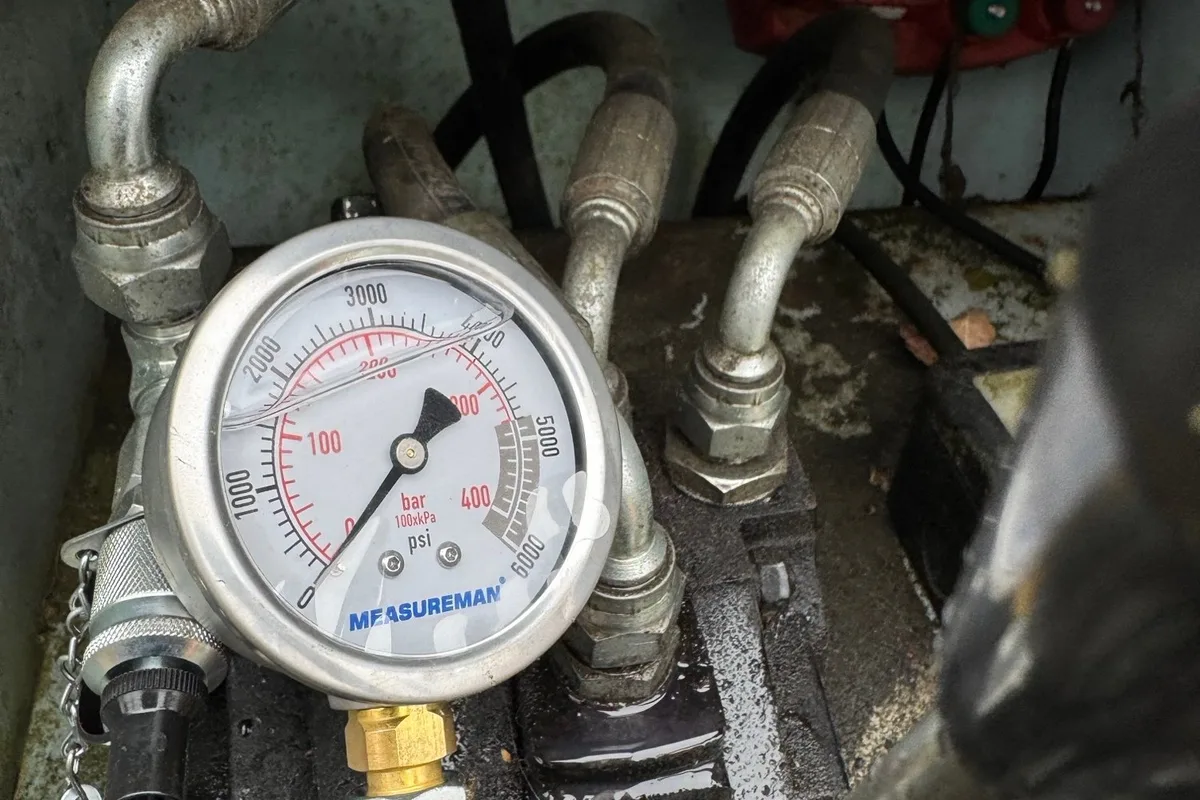
With the motor turning and the pump being driven, the gauge did not move off zero. Something between the tank and the valve had failed.
Step Three: Open Up the Tank
So we opened up the hydraulic tank. The oil was very badly contaminated.
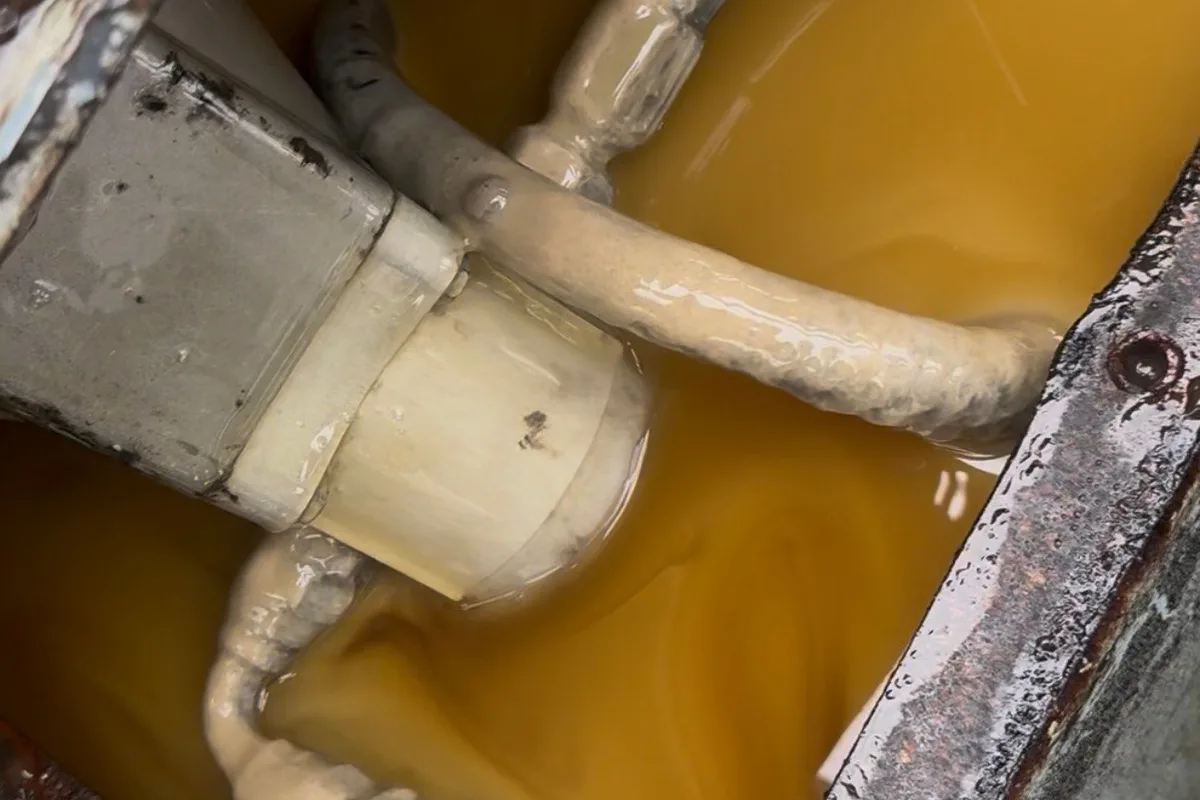
Hydraulic oil should be clear. What we found was cloudy and full of sludge, with the pipework and strainer inside the tank coated in it. Every part of the system had been running on that oil, so the next job was to look at the parts it had been running through.
Step Four: The Control Valve and the Pump
On inspection, the control valve was badly corroded internally.
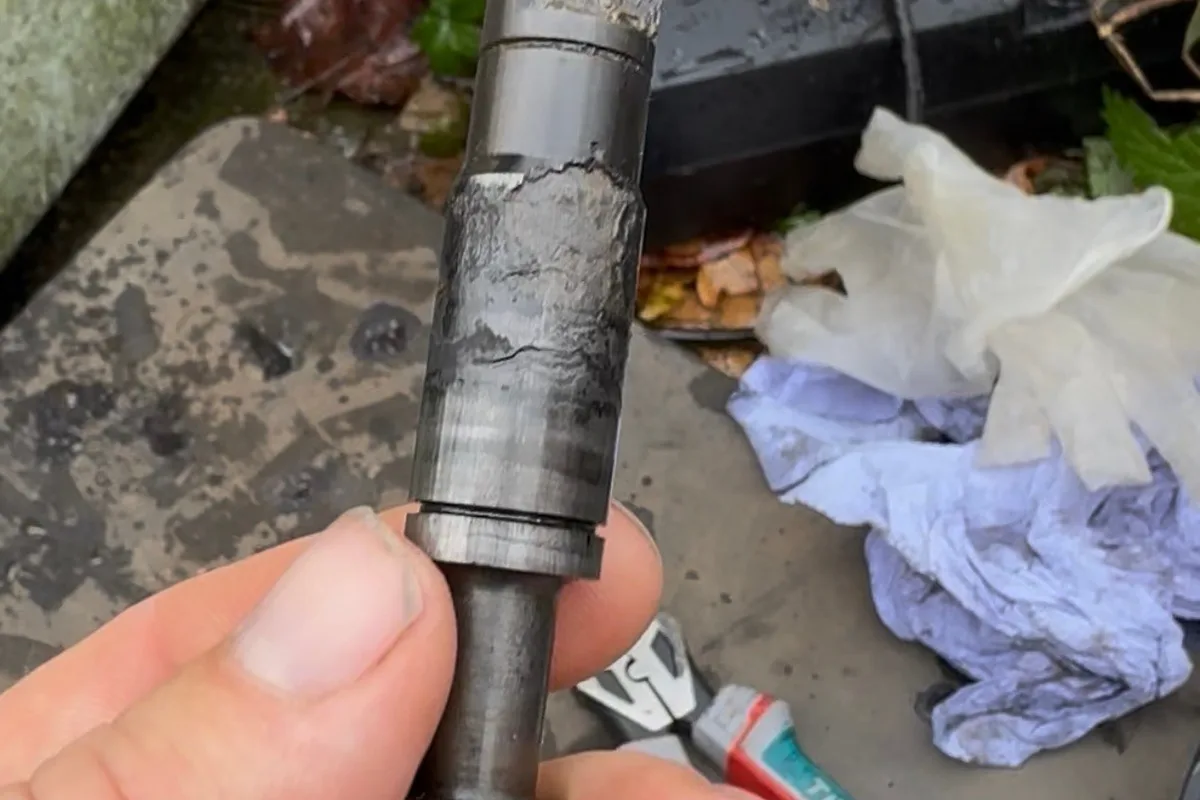
Then we took the pump apart. There was bad scoring inside, and pieces of metal were being ground off the pump body.
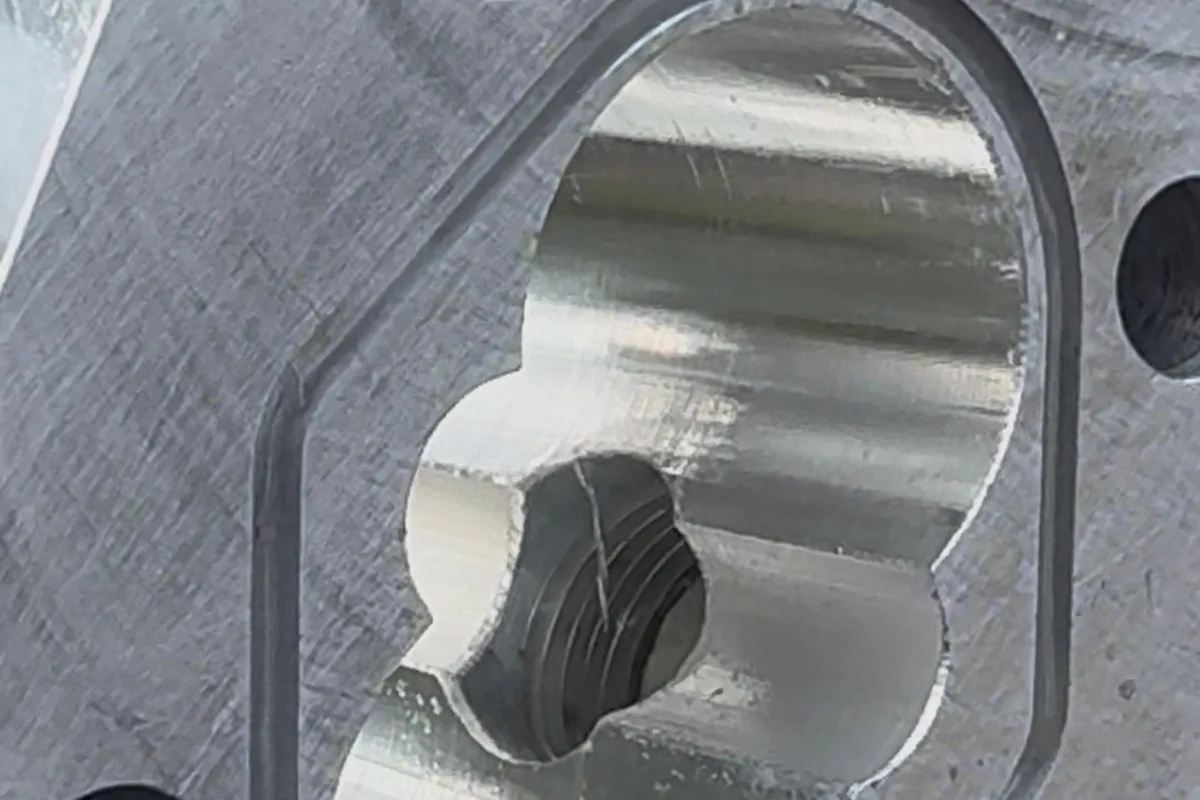
A gear pump builds pressure by keeping very tight clearances between the gears and the body. Once that body is being scored and worn away, the oil just slips back past the gears instead of being pushed out into the system. As the wear gets worse, there is less and less pressure, and the walker turns slower and slower. Eventually there is nothing left.
So it was no surprise there was no pressure in the system. It also explained the gradual slowdown the client had noticed.
The Decision: Rebuild the Hydraulics
We showed the client everything we had found: the contaminated oil, the corroded valve and the scored pump. With all of that in front of them, they chose to rebuild the hydraulic side of the system.
When the oil is this contaminated and the pump has been shedding metal, swapping one part on its own does not make sense. Everything else in the circuit has been running on the same dirty oil.
If your horse walker is slowing down, do not wait for it to stop. The earlier it gets looked at, the more of it can usually be saved. Get in touch and we will come and take a look.
Part 2 to Follow
Next: rebuilding the hydraulic system and getting the walker turning again.