We were recently contacted by a new client in East Meon, Hampshire, who had purchased a property with around three acres of paddocks. The long-term plan was simple: bring their horses home and make use of the land as grazing.
There was just one fairly substantial problem — over the years, the paddocks had been left unmanaged and nature had taken over.
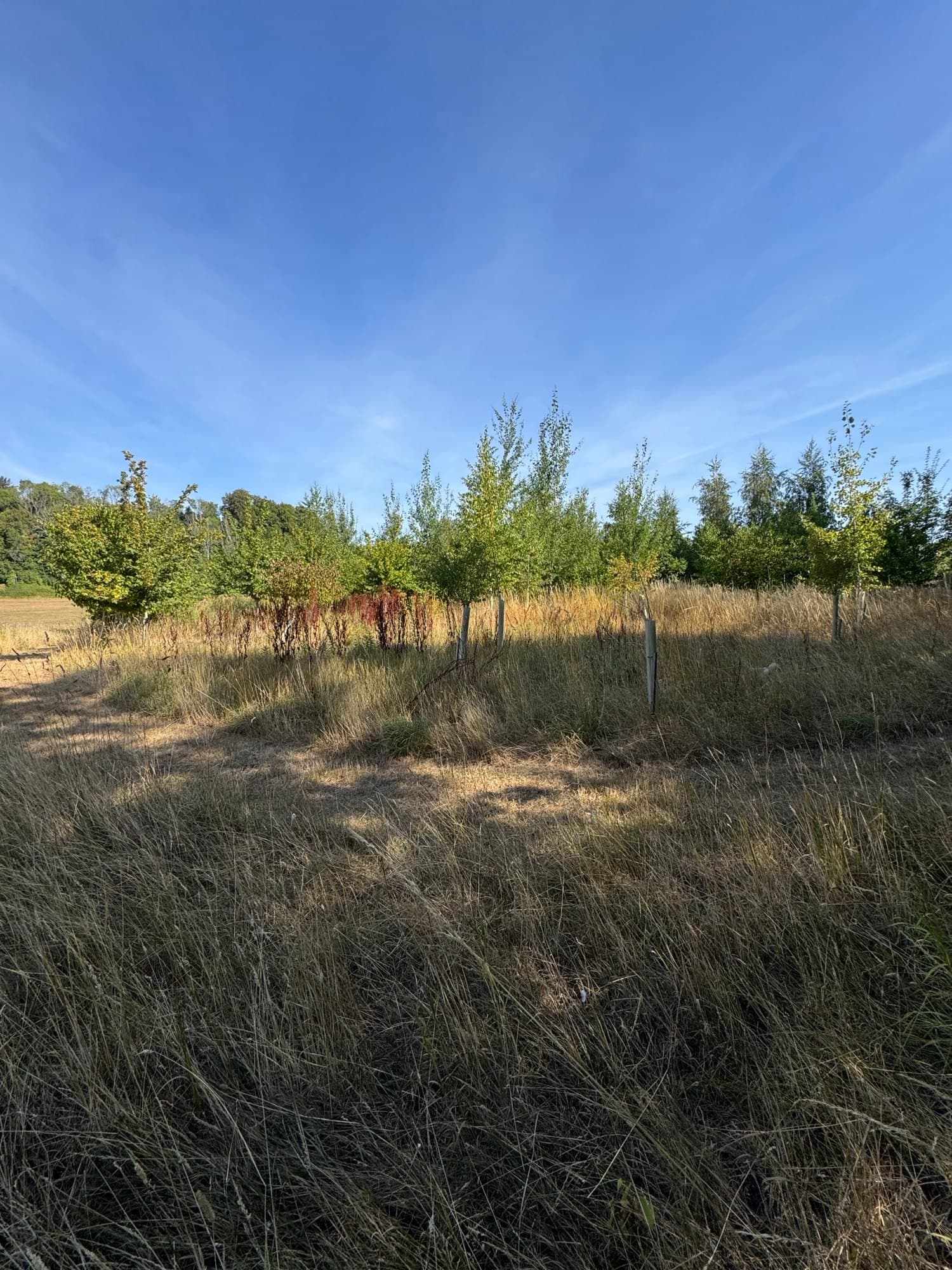
What should have been three acres of grazing had become heavily overgrown, with more than 300 self-seeded saplings and small trees scattered throughout the fields. Years of natural regeneration had effectively started turning the paddocks into young woodland.
Our job was to begin reversing that process and get the land on its way back to becoming usable horse paddocks.
Stage One: Finding the Paddock Again
The first job was to remove as much of the vegetation as possible before tackling the trees themselves.
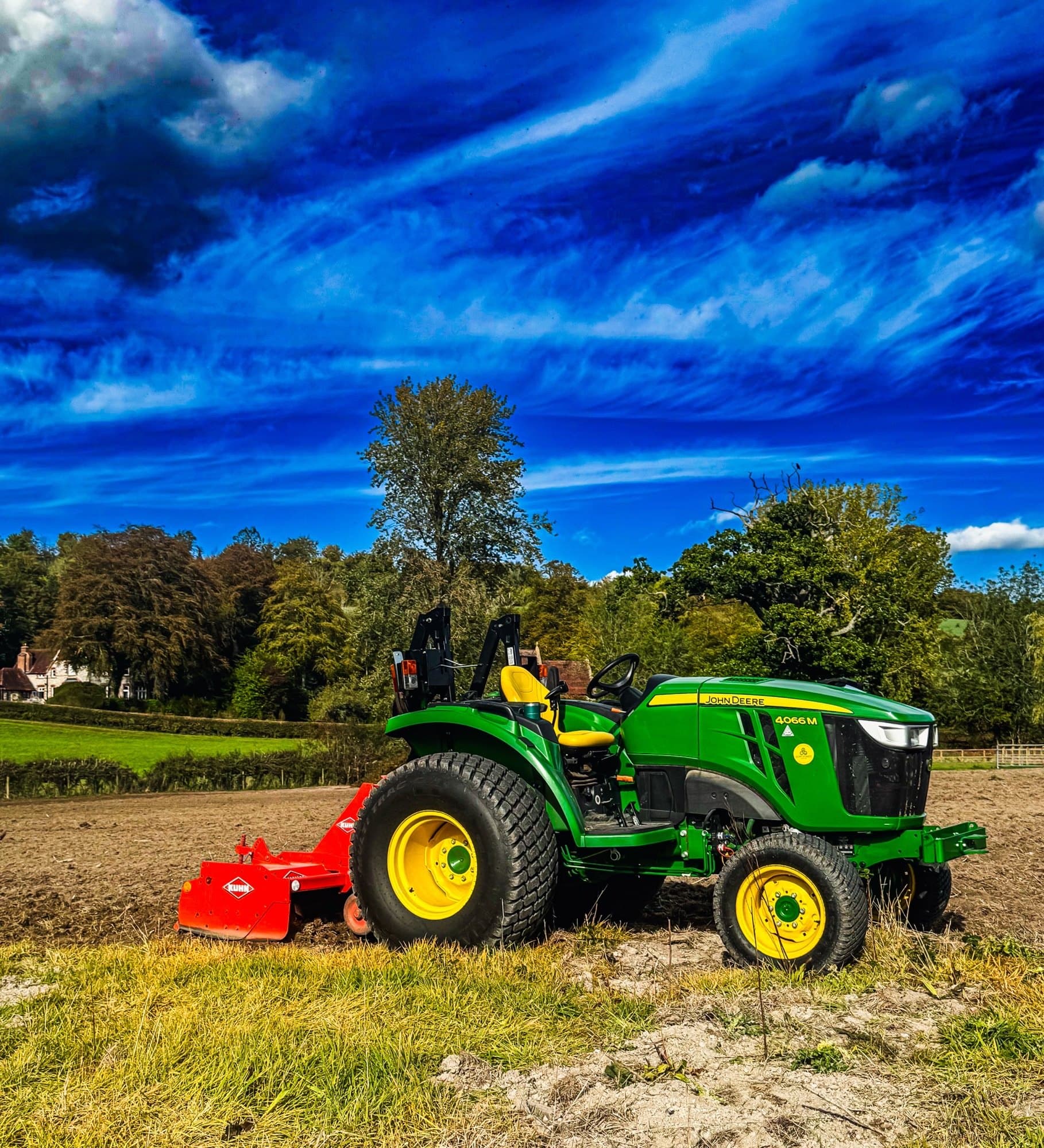
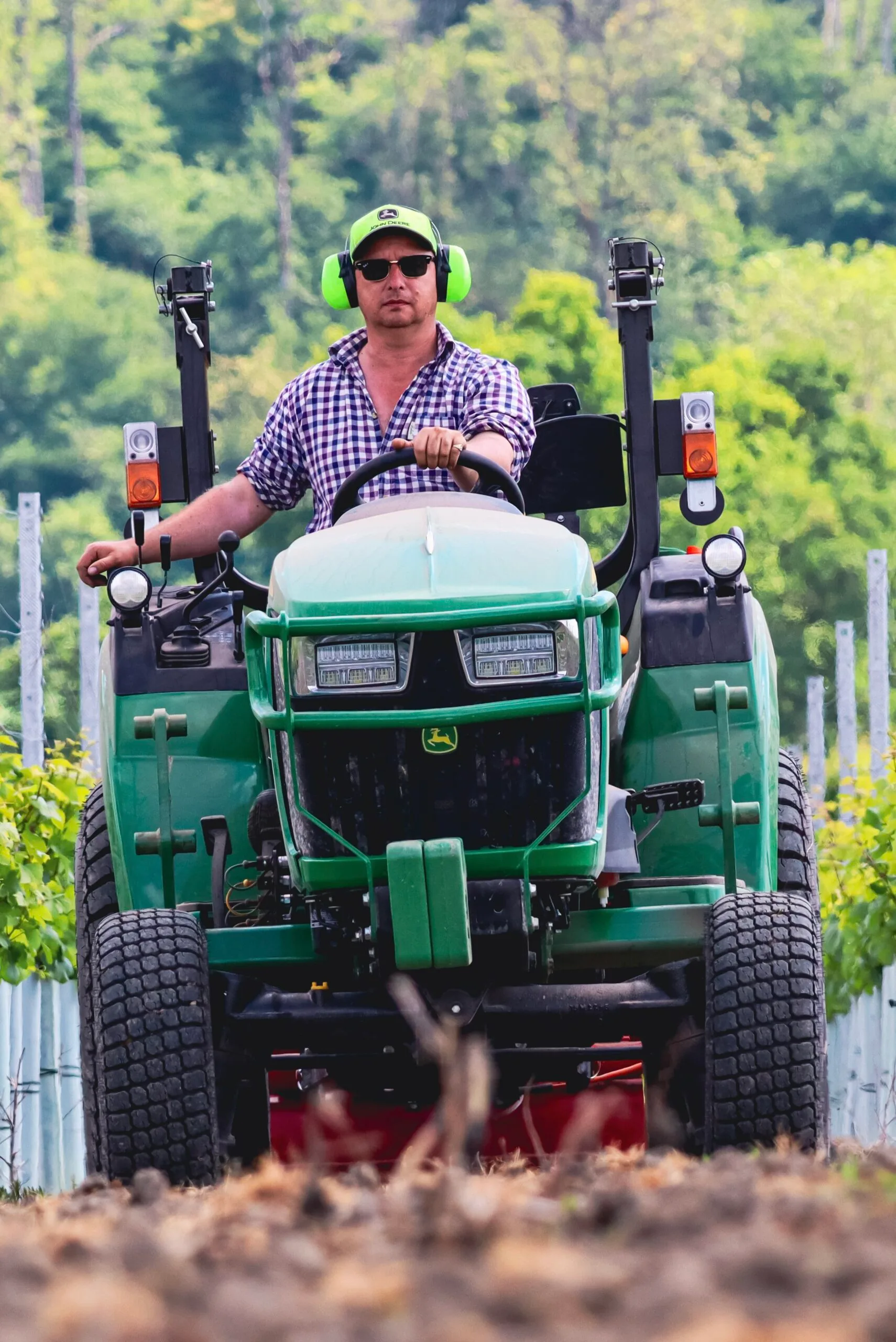
We brought in our compact tractor and flail mower and worked across the three acres, cutting down the long grass, weeds, brambles and lighter vegetation that had developed between the trees.
A flail mower is ideal for this sort of initial paddock clearance. Unlike a conventional finishing mower, it can deal with much rougher vegetation and allows us to quickly expose the ground underneath.
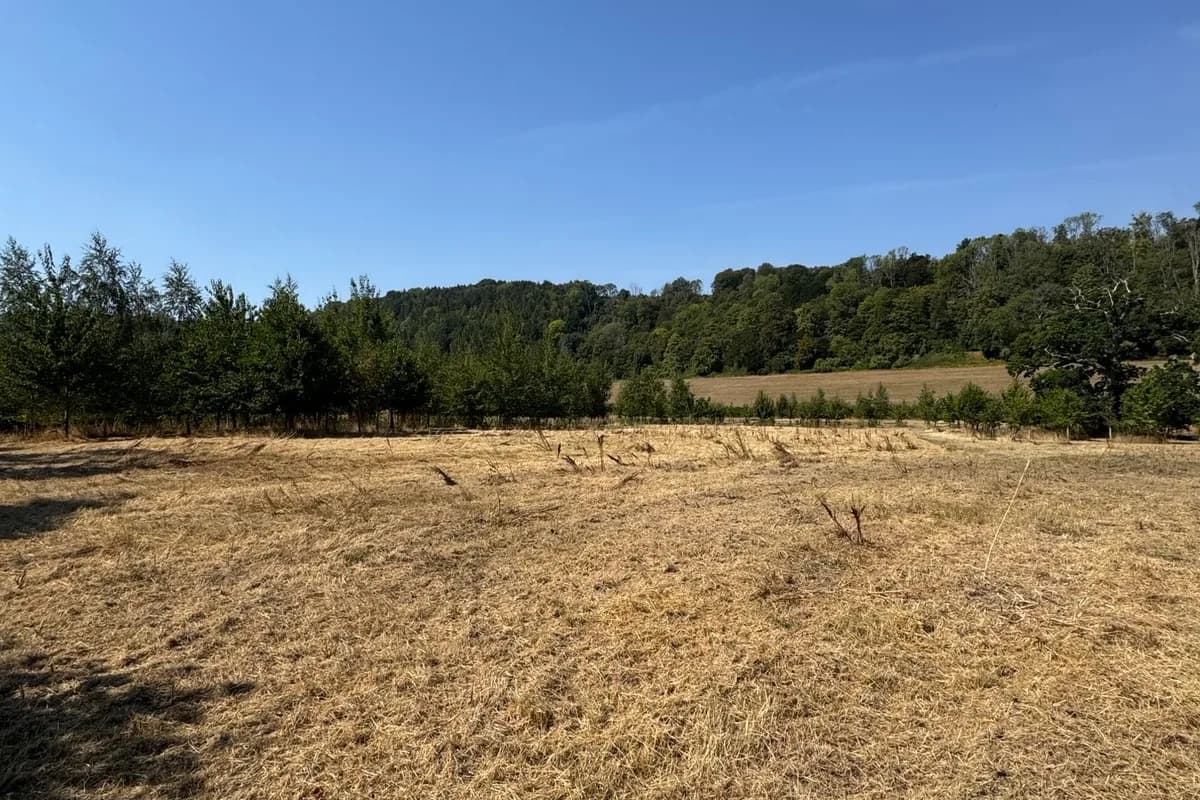
Within a few hours, the transformation was already significant.
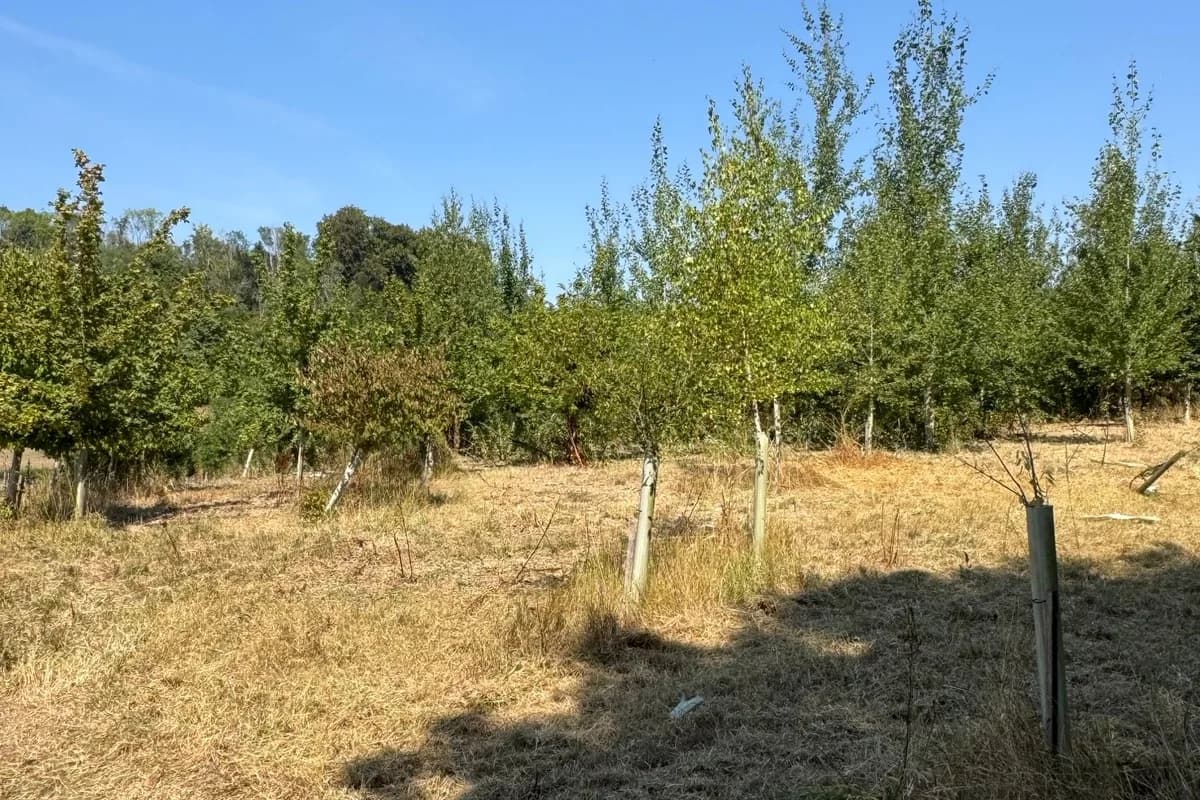
The dense undergrowth had disappeared and, for the first time in some time, it was possible to properly see the shape of the original paddocks.
Unfortunately, it also revealed the scale of the next part of the job.
Once the vegetation had been cleared, we were effectively left with three acres containing hundreds of small trees and saplings.
More Than 300 Trees to Remove
Many of the trees had simply seeded themselves naturally while the paddocks weren't being actively managed. Individually, most weren't particularly large, but with more than 300 spread across three acres, there was a considerable amount of work involved.
For this stage there were two of us working with two Stihl chainsaws, cutting the trees as close to ground level as practical.
With this many trees, keeping the operation moving efficiently was important. There is little benefit in having someone cutting continuously if the resulting timber and branches then pile up around the site.
That's where the chipper became one of the most important machines on the job.
Putting the Timberwolf TW 280FTR to Work
For the clearance we used our tracked Timberwolf TW 280FTR wood chipper.
A tracked chipper makes a huge difference on a job like this because we can take the machine to the material rather than having to continually drag branches and whole trees across the paddock to a stationary chipper.
As trees were felled, the Timberwolf could be positioned close to the working area and the resulting material processed as we progressed.
The majority of the branches and smaller timber were chipped, dramatically reducing the volume of material that would otherwise have been left behind.
It also meant we weren't creating enormous piles of brash around the paddocks that would then need handling again later.
Between two people, two Stihl chainsaws, six chains and the tracked Timberwolf, we managed to turn more than 300 standing trees into nothing more than stumps in the ground.
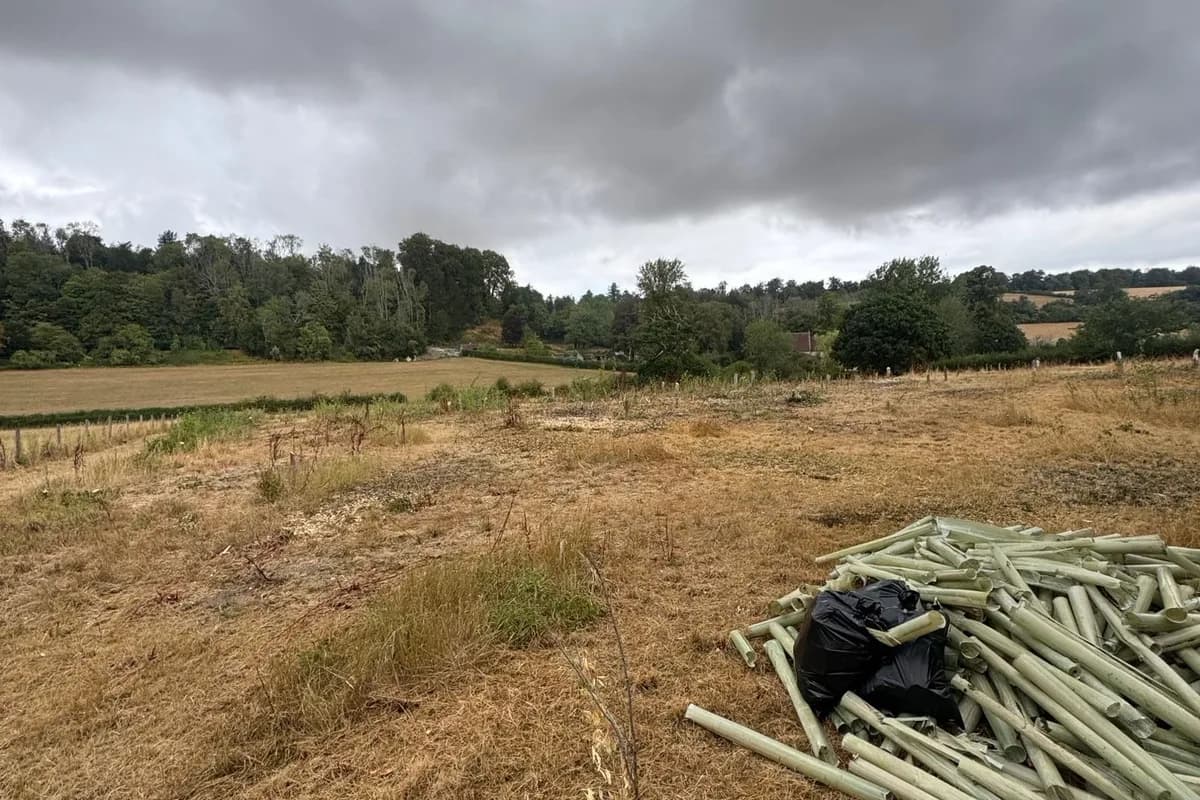
The tree-clearance stage took approximately two and a half days.
For three acres that had been left to naturally regenerate for years, the difference was enormous.
Why We Haven't Removed the Stumps Yet
The temptation on a land-clearance project is to immediately move onto the next stage, but ground conditions have a major influence on how efficiently some operations can be carried out.
At the moment, the ground in East Meon is extremely dry and hard — closer to concrete than workable soil in places.
Trying to remove hundreds of tree stumps in these conditions would make the job considerably harder than it needs to be and would place unnecessary strain on machinery.
Instead, we've scheduled the next phase of the project for the end of September, when we would normally expect the ground to have picked up some moisture and become easier to work.
Sometimes the most efficient approach isn't simply throwing bigger machinery at difficult ground; it's choosing the right time to carry out the work.
Next Stage: Removing Hundreds of Stumps
Removing the trees is only the first major stage of converting this land back into paddocks.
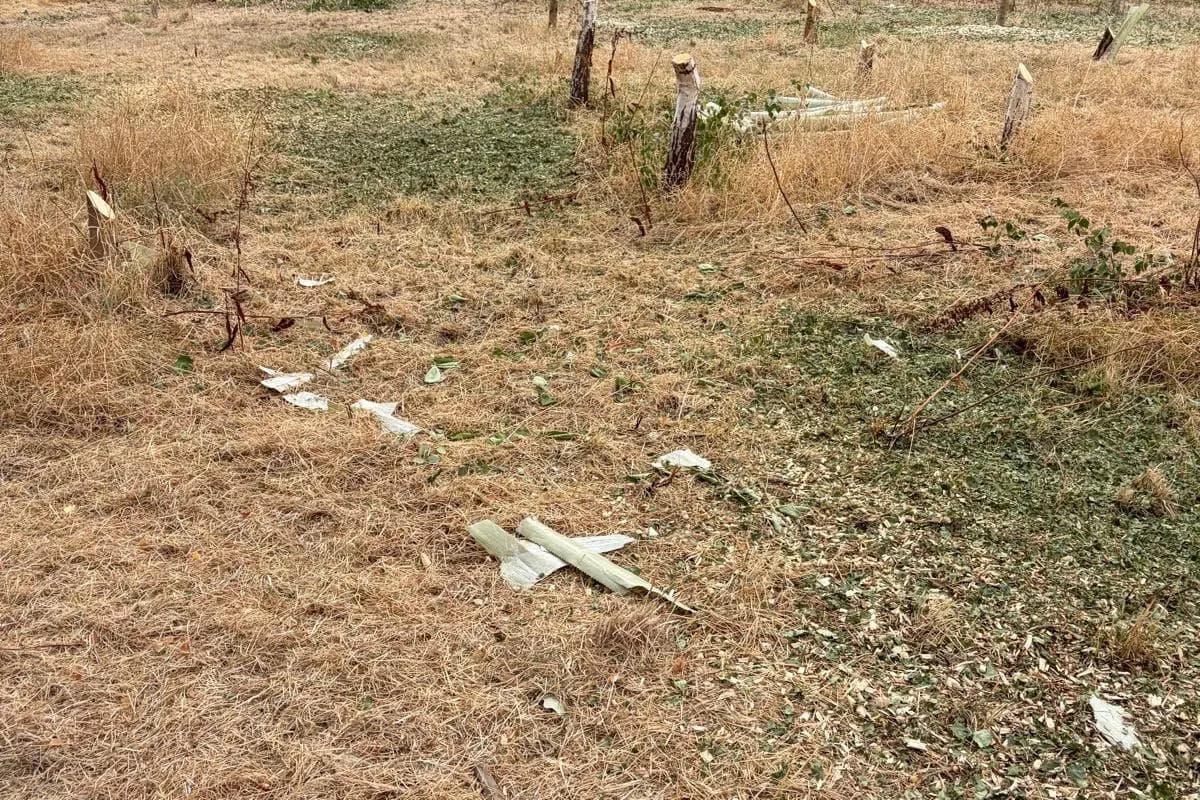
Every tree has left behind a stump and root system, and these need to be dealt with before we can properly renovate the surface.
Leaving hundreds of stumps isn't practical for a horse paddock. Aside from interfering with future mowing and maintenance, uneven ground, holes and exposed roots aren't something we want to leave in an area intended for horses.
Once conditions improve, we'll return to remove the stumps and roots, deal with the disturbed ground and start preparing the site for the next phase of paddock renovation.
That is when the project will begin changing from a land-clearance job into a proper paddock restoration project.
Turning the Land Back Into Grazing
Once the stumps are out, we'll be able to properly assess the condition of the soil and surface across the whole three acres.
Years of trees, scrub and unmanaged vegetation inevitably leave an uneven surface, while machinery and historic use can also create areas of compaction.
The aim isn't simply to make the field look like a paddock again. The end result needs to be a surface capable of establishing a strong grass sward and ultimately providing safe, usable grazing for horses.
Depending on what we find once the stumps have been removed, the next stages are likely to involve ground preparation, levelling, cultivation and reseeding, followed by sufficient establishment time before horses are allowed onto the new grass.
It takes longer than simply clearing the vegetation, but proper preparation at this stage can make an enormous difference to the quality and longevity of the finished paddock.
A Huge Transformation in Just Three Days
This project is a good example of just how quickly grazing land can disappear when it isn't regularly maintained.
Self-seeded trees initially look insignificant, but leave them for several years and a handful of saplings can quickly become hundreds. Eventually, mowing becomes impossible and the land gradually transitions from grassland into scrub and young woodland.
In this case, however, the process can be reversed.
In around three working days, including the initial flailing and two and a half days of tree clearance, we've gone from three acres of heavily overgrown ground containing more than 300 trees to an open site where the original paddocks can be clearly seen again.
There is still plenty of work ahead, but the biggest visual obstacle has gone.
The East Meon Paddock Restoration Continues
We'll be returning to the site at the end of September for the next stage: tackling the hundreds of remaining stumps and beginning the ground-restoration process.
From there, the objective is to take what had effectively become young woodland and turn it back into three acres of established, manageable horse paddocks, ready for the owners to finally bring their horses home.
We'll be documenting the next stages of the project as the paddocks progress from clearance, through ground preparation and reseeding, to the finished grazing.
If you have overgrown paddocks, neglected grazing land or fields that have become covered in scrub, saplings and self-seeded trees, it doesn't necessarily mean the land is lost. With the right machinery and a staged approach to clearance and renovation, even heavily neglected paddocks can often be brought back into productive use.
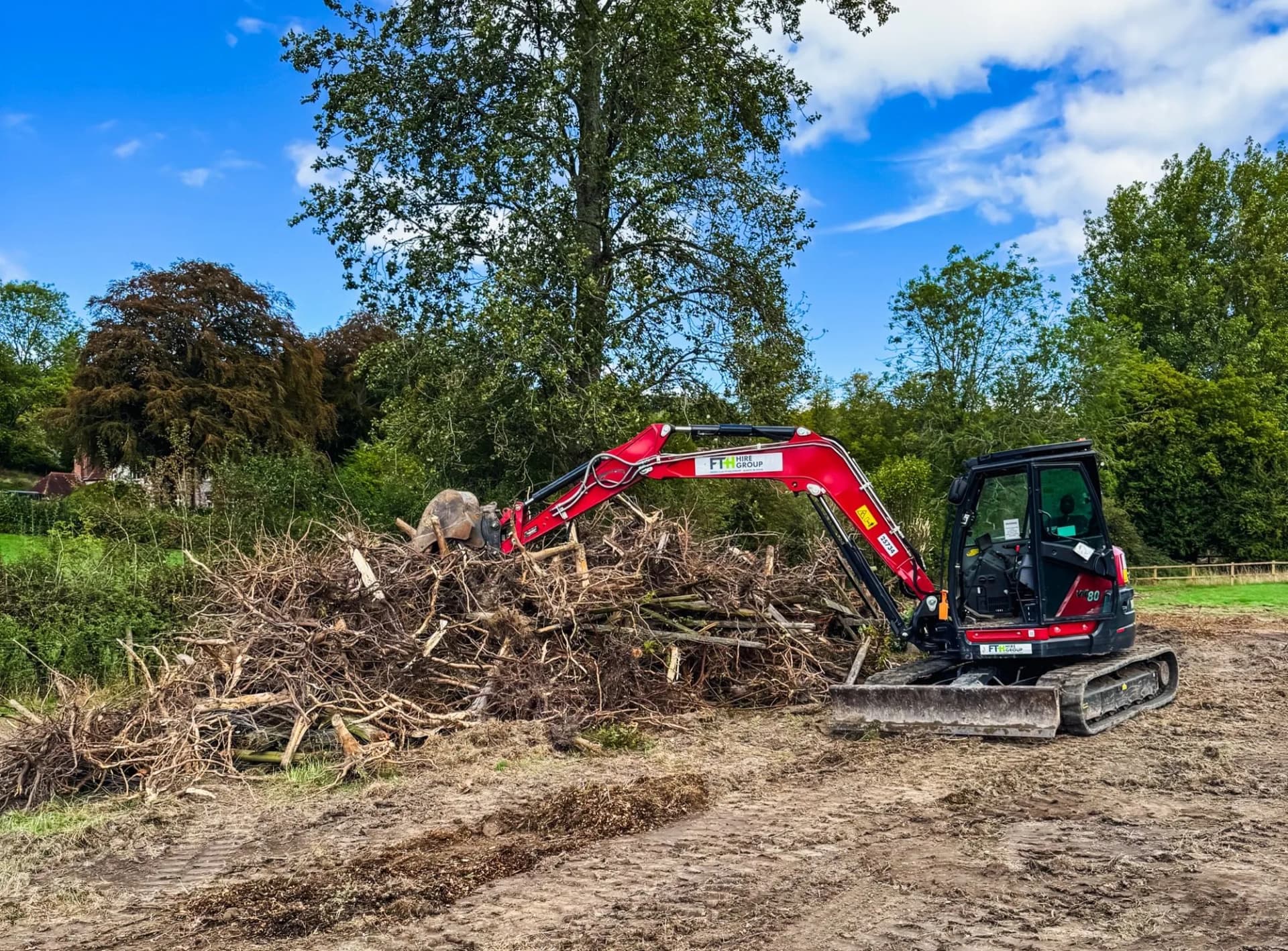
Update — part 2 is now live: Removing 300 tree stumps and reshaping the ground. The excavator went in, the stumps and roots came out, and the ditching started.
@emmerdale.agricul Turns out you can shred a whole tree in one go — the Timberwolf TW 280FTR at work in East Meon.